Your skin is the body’s largest organ and your first line of defense against the outside world. Yet it constantly faces threats from bacteria, viruses, fungi, allergens, and environmental irritants. Understanding types of skin infections and reactions can help you recognize symptoms early, seek appropriate care, and protect your skin health.
From mild rashes and fungal infections to inflammatory reactions and viral outbreaks, dermatological conditions can appear in many forms. Some cause redness or itching, while others produce swelling, blisters, or scaling. This comprehensive guide explains the most common skin infections and reactions, how they develop, and what practical steps you can take to identify and manage them effectively.
Meta description (150–160 characters): Discover common types of skin infections and reactions, their symptoms, causes, and prevention tips in this clear visual guide to dermatological conditions.
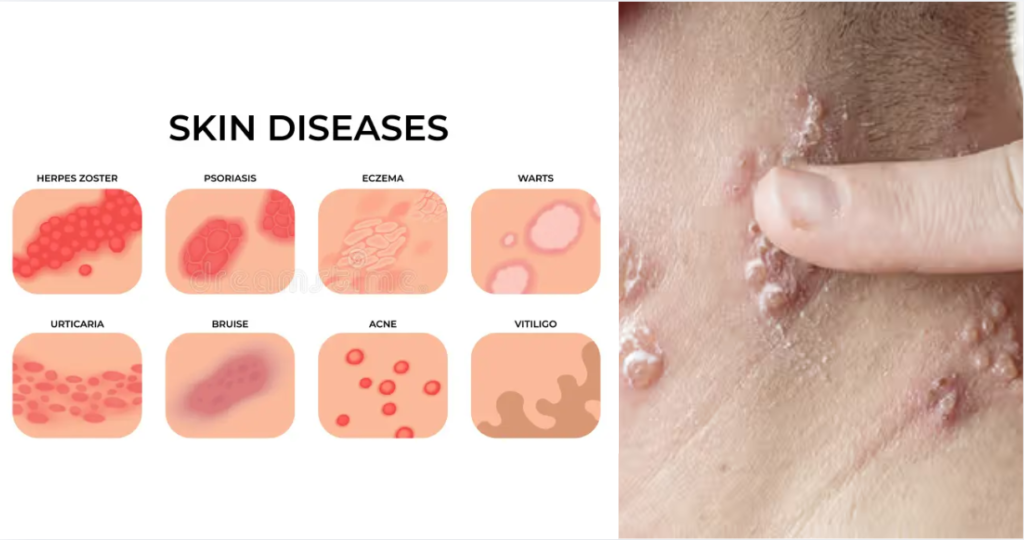
Understanding Skin Infections and Reactions
Before exploring specific conditions, it helps to understand what differentiates a skin infection from a skin reaction.
What Is a Skin Infection?
A skin infection occurs when microorganisms such as bacteria, fungi, viruses, or parasites invade the skin and begin to multiply. These infections may start when:
- The skin barrier is damaged (cuts, burns, insect bites)
- Hygiene or environmental conditions allow microbes to grow
- The immune system is weakened
Common symptoms include redness, swelling, warmth, pain, pus formation, and sometimes fever.
What Is a Skin Reaction?
Skin reactions are typically caused by allergic responses, irritants, or immune-related inflammation rather than invading microbes. Examples include eczema, allergic dermatitis, and hives.
Symptoms often include:
- Itching or burning sensation
- Rash or redness
- Dry, flaky, or blistered skin
Understanding the difference helps determine whether antimicrobial treatment or anti-inflammatory care is needed.
Common Types of Bacterial Skin Infections
Bacterial infections are among the most frequently diagnosed dermatological conditions. They occur when bacteria enter the skin through breaks or hair follicles.
Impetigo
Impetigo is a highly contagious infection often seen in children. It usually appears as red sores around the nose and mouth that quickly rupture and form honey-colored crusts.
Key characteristics:
- Caused by Staphylococcus aureus or Streptococcus pyogenes
- Spreads through skin contact or contaminated objects
- Often occurs in warm, humid environments
Cellulitis
Cellulitis is a deeper bacterial infection affecting the skin and underlying tissues.
Symptoms include:
- Painful swelling
- Warmth and redness spreading across the skin
- Fever in severe cases
Without treatment, cellulitis can progress quickly, making early medical attention essential.
Folliculitis
Folliculitis occurs when hair follicles become inflamed due to bacterial infection or irritation.
Common causes include:
- Shaving or friction from clothing
- Hot tubs contaminated with bacteria
- Sweat buildup in warm climates
This condition typically presents as small red bumps or pustules around hair follicles.
Viral Skin Infections and Reactions
Viruses can also affect the skin, producing distinct rashes, blisters, or lesions.
Herpes Simplex Virus (HSV)
HSV causes painful blisters or sores, commonly around the lips (cold sores) or genital area.
Typical progression:
- Tingling or burning sensation
- Small fluid-filled blisters
- Crusting and healing
Stress, illness, and sun exposure can trigger outbreaks.
Warts (Human Papillomavirus)
Warts are rough skin growths caused by human papillomavirus (HPV). They often appear on hands, feet, or knees.
Different types include:
- Common warts: rough, raised bumps
- Plantar warts: painful lesions on the soles of feet
- Flat warts: small, smooth growths on the face or arms
Shingles
Shingles results from reactivation of the varicella-zoster virus, the same virus responsible for chickenpox.
Symptoms include:
- Painful rash along a nerve path
- Blisters forming in clusters
- Tingling or burning sensation before rash appears
Early antiviral treatment can reduce complications.
Fungal Skin Infections You Should Recognize
Fungal infections thrive in warm, moist environments such as skin folds or sweaty areas.
Ringworm (Tinea)
Despite its name, ringworm is not caused by worms but by fungi known as dermatophytes.
It often appears as circular, red, scaly patches with clear centers.
Common types include:
- Tinea corporis: affects the body
- Tinea pedis: athlete’s foot
- Tinea capitis: scalp infection
Athlete’s Foot
Athlete’s foot affects the skin between the toes and may cause:
- Peeling or cracking skin
- Intense itching
- Burning sensation
It spreads easily in communal areas like locker rooms and swimming pools.
Yeast Infections (Candida)
Candida infections develop in moist areas such as under the breasts, armpits, or groin.
Typical symptoms:
- Red rash with satellite spots
- Itching and discomfort
- Shiny or moist skin patches
Good hygiene and moisture control are key preventive measures.
Allergic and Inflammatory Skin Reactions
Not all skin problems are infections. Many arise from immune responses or environmental irritants.
Contact Dermatitis
Contact dermatitis occurs when the skin reacts to an allergen or irritant.
Common triggers include:
- Cosmetics and fragrances
- Nickel in jewelry
- Cleaning products
Symptoms include redness, itching, and sometimes blisters.
Eczema (Atopic Dermatitis)
Eczema is a chronic inflammatory condition characterized by dry, itchy skin.
Triggers may include:
- Allergens such as dust mites
- Stress
- Climate changes
Moisturizing regularly and avoiding irritants can help manage flare-ups.
Urticaria (Hives)
Hives are raised, itchy welts caused by allergic reactions, infections, or medications.
They can appear suddenly and disappear within hours or days. Antihistamines are often used for symptom relief.
Practical Tips for Identifying and Managing Skin Conditions
Recognizing early signs of skin infections and reactions allows for faster treatment and better outcomes.
Watch for Warning Signs
Seek medical advice if you notice:
- Rapidly spreading redness or swelling
- Fever with skin rash
- Severe pain or pus formation
- Persistent itching or irritation lasting more than a week
Daily Habits for Skin Protection
You can reduce your risk of dermatological conditions by adopting simple habits:
- Maintain good personal hygiene
- Keep skin clean and dry
- Avoid sharing personal items like towels or razors
- Use sunscreen and protective clothing
When to See a Dermatologist
Professional evaluation is recommended when:
- A rash does not improve with basic care
- Symptoms worsen or recur frequently
- Lesions change shape, color, or size
Early diagnosis helps prevent complications and ensures effective treatment.
Maximizing Long-Term Skin Health
Maintaining healthy skin requires consistent care and awareness.
Consider these long-term strategies:
- Balanced nutrition: Vitamins A, C, E, and zinc support skin repair and immunity
- Hydration: Adequate water intake helps maintain skin elasticity
- Stress management: Chronic stress can trigger inflammatory skin conditions
- Regular skin checks: Monitoring changes allows early detection of problems
By understanding common types of skin infections and reactions, you can take proactive steps to keep your skin resilient and protected.
Conclusion
Skin infections and reactions are common, but understanding their causes and symptoms empowers you to respond effectively. Whether dealing with bacterial infections like impetigo, viral conditions such as shingles, fungal issues like athlete’s foot, or inflammatory reactions like eczema, early recognition is key.
By practicing good hygiene, protecting your skin from irritants, and seeking medical advice when necessary, you can maintain healthier skin and prevent complications. Your skin reflects your overall health—caring for it thoughtfully ensures long-term comfort, confidence, and well-being.
Important Disclaimer: This article is for informational purposes only and should not replace professional advice. For health-related topics, consult healthcare providers. Individual results may vary, and personal