Skin rashes are one of the most common health concerns people experience at some point in their lives. A sudden patch of redness, itching, bumps, or irritation can raise immediate questions: What caused it? Is it contagious? Should you worry? Learning about recognizing common skin rash conditions can help you respond calmly and effectively when changes appear on your skin.
The skin acts as the body’s protective barrier against bacteria, allergens, environmental pollutants, and physical injury. When this barrier reacts to infection, inflammation, or allergic triggers, rashes can develop. Some are harmless and temporary, while others require medical attention. In this practical guide, you’ll discover eight common skin rash conditions, how to identify their key features, and the steps you can take to manage them confidently.
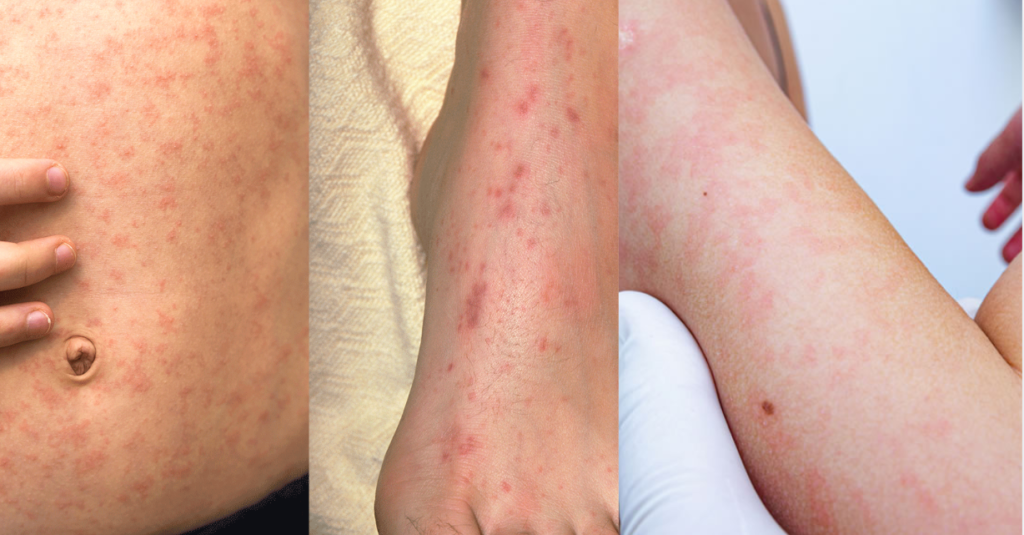
Understanding Skin Rashes: What You Need to Know
Before identifying specific conditions, it helps to understand what a skin rash actually represents.
What Is a Skin Rash?
A skin rash refers to any visible change in the color, texture, or appearance of the skin. These changes may involve:
- Redness or inflammation
- Bumps, blisters, or scales
- Dryness or peeling
- Swelling or itching
Rashes can occur suddenly or develop gradually depending on the underlying cause.
Common Causes of Skin Rashes
Several factors can trigger rashes. The most frequent causes include:
- Allergic reactions to substances or foods
- Viral or bacterial infections
- Fungal overgrowth on the skin
- Environmental irritants such as chemicals or detergents
- Autoimmune or inflammatory disorders
Understanding these triggers helps you recognize patterns and respond appropriately.
When Should You Pay Attention?
Not every rash requires urgent care. However, medical evaluation is recommended when a rash:
- Spreads rapidly
- Causes fever or severe pain
- Produces blisters or pus
- Persists for more than a week
Early recognition is the first step toward effective treatment.
8 Common Skin Rash Conditions and How to Recognize Them
Many dermatological conditions share similar symptoms, but subtle differences can help distinguish them.
1. Contact Dermatitis
Contact dermatitis occurs when your skin reacts to an irritant or allergen.
Typical signs include:
- Red or inflamed patches
- Itching or burning
- Blisters or dry, cracked skin
Common triggers include soaps, perfumes, cosmetics, metals like nickel, and cleaning products.
2. Eczema (Atopic Dermatitis)
Eczema is a chronic inflammatory skin condition often associated with allergies or sensitive skin.
Symptoms may include:
- Extremely dry skin
- Persistent itching
- Red or scaly patches
Eczema frequently appears on the face, hands, elbows, and behind the knees.
3. Psoriasis
Psoriasis is an autoimmune disorder that accelerates skin cell turnover.
Key characteristics:
- Thick, silvery scales
- Raised red plaques
- Often located on elbows, knees, or scalp
Stress, infections, and certain medications can trigger flare-ups.
4. Heat Rash (Miliaria)
Heat rash develops when sweat glands become blocked, trapping perspiration under the skin.
Symptoms include:
- Tiny red bumps
- Prickling or itchy sensation
- Common in hot, humid environments
It frequently occurs on the neck, chest, back, or skin folds.
5. Ringworm (Tinea)
Ringworm is a fungal infection that produces distinctive circular rashes.
Common features:
- Ring-shaped red patches
- Raised edges with clearer centers
- Mild itching
Despite its name, ringworm is not caused by worms but by dermatophyte fungi.
6. Hives (Urticaria)
Hives are raised, itchy welts that appear suddenly due to allergic reactions.
Possible triggers include:
- Certain foods
- Medications
- Insect stings
- Temperature changes
Hives usually disappear within hours or days but may recur.
7. Shingles (Herpes Zoster)
Shingles results from reactivation of the chickenpox virus.
Key warning signs:
- Pain or tingling before rash appears
- Clusters of fluid-filled blisters
- Rash following a nerve path on one side of the body
Early treatment can reduce complications.
8. Impetigo
Impetigo is a contagious bacterial skin infection commonly affecting children.
Symptoms include:
- Red sores that rupture quickly
- Honey-colored crusts
- Often around the mouth or nose
Proper hygiene and treatment help prevent spreading.
Practical Steps to Identify a Skin Rash
If you notice a rash developing, a systematic approach can help you determine its possible cause.
Observe Key Characteristics
Start by examining the rash closely.
Look for:
- Color changes (red, purple, or pale patches)
- Shape and size of lesions
- Presence of blisters, scales, or pus
- Location on the body
These visual clues often provide valuable diagnostic hints.
Consider Recent Changes
Ask yourself whether you recently experienced:
- New skincare or cosmetic products
- Exposure to plants, chemicals, or metals
- New medications or foods
- Hot weather or excessive sweating
Identifying a trigger often explains the rash.
Monitor Symptoms Over Time
Track how the rash evolves:
- Does it spread or fade?
- Is itching or pain increasing?
- Are other symptoms appearing?
Keeping a simple symptom record can help healthcare professionals make accurate diagnoses.
Common Challenges When Dealing with Skin Rashes
Recognizing rashes is not always straightforward. Many conditions overlap in appearance and symptoms.
Misidentifying the Rash
A fungal infection may resemble eczema, while allergic reactions can mimic viral rashes. Self-diagnosis can therefore be misleading.
Treating with the Wrong Products
Using incorrect treatments—such as steroids on fungal infections—can worsen the condition.
Ignoring Early Warning Signs
Many people delay seeking care, assuming a rash will disappear on its own. Infections and inflammatory conditions may worsen without treatment.
Understanding these challenges encourages careful observation and timely medical advice.
How to Prevent and Manage Skin Rashes
While not all rashes are preventable, many can be minimized with good skin care habits.
Maintain Healthy Skin Hygiene
- Wash skin regularly with gentle cleansers
- Keep skin dry in areas prone to moisture
- Avoid sharing personal items like towels or razors
Protect Your Skin Barrier
Your skin barrier is essential for preventing irritation and infection.
Helpful practices include:
- Using fragrance-free moisturizers
- Wearing breathable fabrics
- Avoiding harsh chemicals
Strengthen Overall Skin Health
Lifestyle habits also influence skin resilience.
Focus on:
- Balanced nutrition rich in vitamins A, C, and E
- Adequate hydration
- Stress management and sufficient sleep
Healthy skin often reflects overall wellness.
Maximizing Long-Term Skin Awareness
Learning to recognize common skin rash conditions empowers you to take proactive steps for skin health.
Consider building long-term awareness by:
- Performing routine skin checks
- Monitoring recurring reactions
- Keeping track of known triggers
- Seeking dermatological advice when uncertain
Early awareness and preventive care reduce complications and improve treatment outcomes.
Conclusion
Skin rashes are common, but understanding their patterns can make them far less mysterious. By learning how to recognize eight common skin rash conditions—such as eczema, contact dermatitis, psoriasis, heat rash, ringworm, hives, shingles, and impetigo—you gain the knowledge needed to respond confidently.
Observing symptoms carefully, identifying triggers, and maintaining healthy skin habits are powerful steps toward prevention and early management. When in doubt, professional medical advice ensures accurate diagnosis and effective treatment. With greater awareness and care, you can protect your skin and maintain long-term dermatological health.
Important Disclaimer: This article is for informational purposes only and should not replace professional advice. For health-related topics, consult healthcare providers. Individual results may vary, and personal circumstances should always be considered when implementing any suggestions.