Diabetes affects millions of people worldwide, yet many underestimate how deeply it can influence nearly every system in the body. When blood sugar levels remain elevated for long periods, they can quietly damage vital organs, blood vessels, and nerves. Understanding diabetes and its complications empowers you to recognize early warning signs and take meaningful steps toward protecting your long-term health.
In this guide, you’ll explore how diabetes affects the body, why complications develop, and what strategies can help you reduce risks. With the right knowledge and consistent habits, you can take control of your health and support your body’s resilience.
Meta description (150–160 characters): Discover how diabetes affects the body, learn about common complications, and explore practical strategies to protect long-term health.
What Is Diabetes and How Does It Affect the Body?
Diabetes is a chronic metabolic condition that occurs when the body cannot properly regulate blood glucose levels. This usually happens because the body either does not produce enough insulin or cannot effectively use the insulin it produces.
Insulin is a hormone produced by the pancreas that helps glucose move from the bloodstream into cells, where it is used for energy. When this process fails, glucose accumulates in the blood.
Over time, high blood sugar can damage delicate structures throughout the body, including blood vessels, nerves, and organs.
Types of Diabetes
Understanding the main forms of diabetes helps clarify how the condition develops.
Type 1 Diabetes
Type 1 diabetes is an autoimmune condition in which the immune system mistakenly attacks insulin-producing cells in the pancreas. People with this form require lifelong insulin therapy.
Type 2 Diabetes
Type 2 diabetes is the most common form and occurs when the body becomes resistant to insulin. Lifestyle factors such as diet, physical inactivity, and genetics often contribute.
Gestational Diabetes
This temporary form develops during pregnancy and usually resolves after childbirth, but it increases the risk of developing type 2 diabetes later in life.
Why Blood Sugar Control Matters
Consistently elevated glucose levels damage blood vessels and impair circulation. This damage can gradually lead to complications affecting the heart, kidneys, nerves, eyes, and other organs.
How Do Diabetes Complications Develop Over Time?
The complications of diabetes develop slowly but can become severe if blood sugar remains uncontrolled.
The Role of High Blood Sugar
When glucose levels stay elevated for long periods, several harmful processes occur:
- Blood vessel walls become inflamed and weakened
- Oxidative stress increases within tissues
- Nerve cells lose their ability to function properly
- Circulation becomes impaired
These changes disrupt the delivery of oxygen and nutrients to tissues.
Microvascular vs. Macrovascular Complications
Diabetes complications generally fall into two categories:
Microvascular complications affect small blood vessels and include:
- Eye damage (retinopathy)
- Kidney disease (nephropathy)
- Nerve damage (neuropathy)
Macrovascular complications involve larger blood vessels and include:
- Heart disease
- Stroke
- Peripheral artery disease
Understanding this distinction helps highlight why diabetes management is so important for protecting overall health.
What Are the Most Common Diabetes-Related Complications?
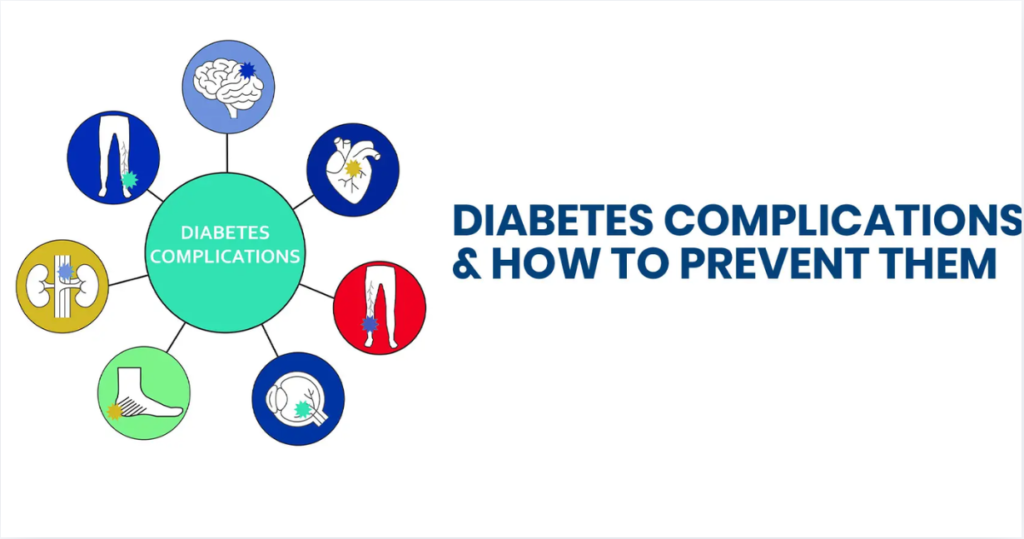
Diabetes can influence nearly every organ system. Recognizing potential complications early allows you to take preventive action.
Heart Disease and Stroke
People with diabetes have a significantly higher risk of cardiovascular disease. High blood sugar contributes to plaque buildup in arteries, increasing the likelihood of heart attacks and strokes.
Risk factors often include:
- High blood pressure
- Elevated cholesterol levels
- Chronic inflammation
- Poor circulation
Diabetic Neuropathy
Nerve damage, known as diabetic neuropathy, is one of the most common complications.
Symptoms may include:
- Tingling or burning sensations in the hands and feet
- Numbness or reduced sensation
- Muscle weakness
- Sensitivity to touch
Over time, nerve damage can affect balance and mobility.
Kidney Damage (Diabetic Nephropathy)
The kidneys filter waste from the blood. Chronic high blood sugar can damage the tiny filtering units inside the kidneys, eventually leading to kidney disease.
Early signs may include:
- Protein in urine
- Swelling in the legs or ankles
- Fatigue
Routine screening helps detect kidney problems early.
Vision Problems and Diabetic Retinopathy
Diabetes can damage the small blood vessels in the retina, potentially causing vision loss.
Common symptoms include:
- Blurred vision
- Dark spots or floaters
- Difficulty seeing at night
Regular eye examinations are critical for protecting vision.
How Can You Manage Diabetes to Reduce Complications?
The good news is that effective management can dramatically reduce the risk of complications.
Monitoring Blood Glucose
Regular blood sugar monitoring helps you understand how food, exercise, and medications affect your glucose levels.
Helpful strategies include:
- Checking blood sugar at recommended times
- Tracking patterns and trends
- Adjusting habits based on results
Consistent monitoring empowers better decision-making.
Healthy Nutrition Choices
Diet plays a central role in diabetes management.
Key dietary strategies include:
- Prioritizing whole grains, vegetables, and lean proteins
- Limiting refined sugars and processed foods
- Choosing healthy fats such as nuts, seeds, and olive oil
Balanced meals help stabilize blood sugar levels throughout the day.
Physical Activity
Exercise improves insulin sensitivity and helps regulate blood glucose.
Examples of beneficial activities include:
- Brisk walking
- Cycling
- Swimming
- Strength training
Even moderate activity for 30 minutes per day can provide meaningful health benefits.
What Challenges Do People Face When Living With Diabetes?
Managing diabetes can sometimes feel overwhelming, especially when lifestyle changes are required.
Emotional and Mental Strain
Living with a chronic condition can cause stress or anxiety. Many people worry about long-term complications or struggle with maintaining consistent habits.
Building support networks and working with healthcare providers can make diabetes management more sustainable.
Blood Sugar Fluctuations
Blood glucose levels may vary due to:
- Illness
- Stress
- Hormonal changes
- Changes in diet or activity
Understanding these triggers helps you adapt your management plan effectively.
Medication Adherence
Some individuals find it challenging to follow medication schedules consistently. Establishing routines or reminders can help maintain adherence.
How Can You Maximize Long-Term Health With Diabetes?
While diabetes requires ongoing attention, many people live full, healthy lives with the condition.
Routine Medical Monitoring
Regular checkups help detect complications early.
Recommended screenings often include:
- A1C blood tests
- Eye examinations
- Kidney function tests
- Foot assessments
Early detection greatly improves outcomes.
Stress Management and Sleep
Chronic stress can raise blood sugar levels. Prioritizing relaxation and sleep supports metabolic balance.
Helpful practices include:
- Mindfulness or meditation
- Consistent sleep routines
- Gentle physical activity
Exploring Related Health Topics
For a deeper understanding of metabolic health, you may also explore:
- Insulin resistance and metabolic syndrome
- Heart disease prevention strategies
- Healthy meal planning for blood sugar balance
- The importance of regular health screenings
- Managing chronic inflammation
These topics offer additional insights that support long-term wellness.
Conclusion
Diabetes is more than a condition of high blood sugar—it is a complex metabolic disorder that can affect nearly every organ system. When unmanaged, it may lead to complications involving the heart, kidneys, nerves, and eyes. However, knowledge and proactive care can make a powerful difference.
By monitoring blood glucose, adopting balanced nutrition, staying physically active, and maintaining regular medical checkups, you can dramatically reduce the risk of complications. Small daily choices add up to long-term protection for your body.
Empower yourself with understanding and consistency. With the right strategies and support, managing diabetes becomes not only achievable but a pathway toward stronger overall health.
Important Disclaimer: This article is for informational purposes only and should not replace professional advice. For health-related topics, consult healthcare providers. Individual results may vary, and personal circumstances should always be considered when implementing any suggestions.