Your smile is one of your most valuable assets, but many common habits can silently harm your teeth. From morning routines to evening snacks, small choices in your daily life can gradually erode enamel, cause sensitivity, and lead to long-term dental issues. Understanding these hidden dangers empowers you to protect your oral health and maintain a bright, confident smile.
In this guide, you’ll discover 10 everyday habits that secretly damage your teeth, why they’re harmful, and practical strategies to minimize their impact. By the end, you’ll have actionable insights to transform your dental care routine and prevent irreversible damage.
Meta description (150–160 characters): Discover 10 everyday habits that secretly damage teeth and learn practical tips to protect your smile and maintain optimal oral health.
Why Small Habits Have Big Impacts
Even simple actions can take a toll on your teeth over time. It’s not always the obvious culprits like candy or soda—many habits you think are harmless can weaken enamel, stain teeth, or irritate gums.
Understanding Enamel Wear
Your enamel is the hard, protective layer covering each tooth. Once damaged, it doesn’t regenerate naturally. Habits like grinding, acidic foods, or aggressive brushing can slowly erode enamel, making teeth more prone to decay and sensitivity.
The Role of Saliva
Saliva acts as a natural buffer against acids and bacteria. When certain habits reduce saliva flow, such as dehydration or excessive caffeine intake, teeth become more vulnerable to damage.
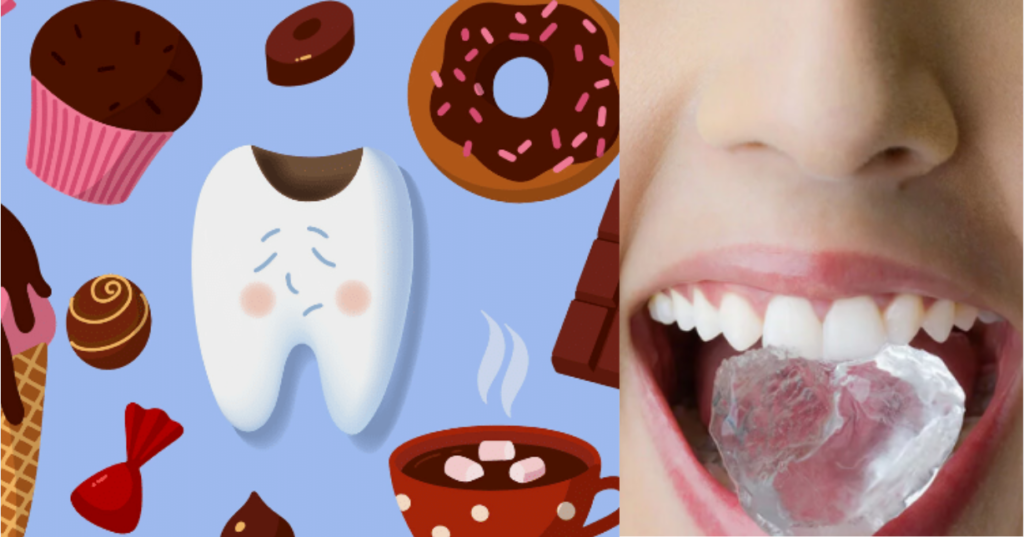
10 Everyday Habits That Harm Teeth
Here’s a breakdown of habits to watch and practical tips to protect your dental health.
1. Brushing Too Hard
Many people think harder brushing cleans better, but it can wear down enamel and irritate gums.
- Tip: Use a soft-bristled toothbrush and gentle circular motions.
- Shortcut: Electric toothbrushes with pressure sensors prevent excessive force.
2. Frequent Snacking
Snacking constantly, especially on sugary or starchy foods, increases acid attacks on teeth.
- Tip: Limit snacks to tooth-friendly options like cheese, nuts, or raw veggies.
- Timing: Rinse with water after eating to neutralize acids.
3. Drinking Sugary or Acidic Beverages
Sodas, fruit juices, and energy drinks can erode enamel and promote decay.
- Tip: Use a straw to reduce contact with teeth and drink water afterward.
- Alternative: Opt for plain water or unsweetened teas.
4. Grinding or Clenching Teeth
Known as bruxism, this habit often occurs during sleep and can fracture or wear down teeth.
- Tip: Consider a custom night guard if you grind your teeth at night.
- Preventive measures: Manage stress through relaxation exercises or therapy.
5. Using Teeth as Tools
Opening packages, tearing labels, or biting pens may seem harmless, but it can chip or crack teeth.
- Tip: Always use scissors or appropriate tools instead of your teeth.
- Quick fix: If a tooth chips, visit your dentist promptly to prevent further damage.
6. Acidic Food Overload
Citrus fruits, vinegar, and pickled foods are healthy but can erode enamel with excessive consumption.
- Tip: Consume acidic foods during meals, not alone, to reduce prolonged acid exposure.
- Aftercare: Rinse with water or chew sugar-free gum to neutralize acids.
7. Ignoring Dry Mouth
Reduced saliva increases risk of cavities and enamel wear.
- Causes: Medications, dehydration, or medical conditions.
- Solution: Drink water regularly, chew sugar-free gum, or discuss saliva substitutes with your dentist.
8. Improper Flossing Technique
Flossing is essential, but snapping floss or aggressive use can injure gums and create pockets for bacteria.
- Tip: Slide floss gently between teeth and curve it around each tooth in a C-shape.
- Pro advice: Daily flossing keeps gums healthy and prevents long-term damage.
9. Over-Whitening Teeth
Frequent use of whitening products can weaken enamel or cause sensitivity.
- Tip: Follow product instructions and limit treatments to recommended intervals.
- Alternative: Maintain natural whiteness through regular cleanings and reducing stain-causing foods.
10. Smoking or Tobacco Use
Tobacco stains teeth, promotes gum disease, and increases oral cancer risk.
- Tip: Seek support for quitting and maintain regular dental checkups.
- Complementary strategy: Practice meticulous oral hygiene to reduce smoking-related damage.
How to Reverse or Prevent Damage
While some damage is irreversible, early intervention and smart habits can protect teeth and slow progression.
Preventive Measures
- Brush twice daily with fluoride toothpaste.
- Floss daily and use antimicrobial mouthwash.
- Schedule professional dental cleanings every six months.
Lifestyle Adjustments
- Limit acidic and sugary foods.
- Drink plenty of water to support saliva flow.
- Reduce stress to prevent teeth grinding.
Protective Tools
- Night guards for bruxism.
- Soft-bristled toothbrushes for gentle cleaning.
- Fluoride treatments or remineralizing products for enamel protection.
Troubleshooting Common Dental Challenges
Even with good habits, you might experience sensitivity, discoloration, or minor chips.
- Tooth sensitivity: Use desensitizing toothpaste and avoid extreme temperatures in foods.
- Stains: Professional cleanings or whitening under dentist supervision.
- Gum irritation: Adjust brushing technique and use soft-bristled toothbrushes.
Maximizing Long-Term Oral Health
Maintaining a healthy smile requires consistent care and awareness of hidden risks.
- Regular checkups: Detect early issues before they escalate.
- Balanced diet: Focus on nutrient-rich foods like leafy greens, dairy, and nuts.
- Hydration: Supports saliva production and overall oral health.
- Mindful habits: Avoid using teeth as tools and limit acidic or sugary exposure.
By combining preventive care, lifestyle adjustments, and professional guidance, you can protect your teeth from everyday habits that silently cause damage.
Conclusion
Your daily routines shape the health of your teeth more than you might realize. Habits like brushing too hard, frequent snacking, or grinding can gradually erode enamel and harm your gums. By recognizing these behaviors and implementing practical changes, you can preserve your smile for years to come.
Take charge of your oral health today: adjust your habits, stay vigilant with cleanings, and embrace preventive strategies. Your teeth are capable of lasting a lifetime when cared for thoughtfully—and now you know how to protect them.
Important Disclaimer: This article is for informational purposes only and should not replace professional advice. For health-related topics, consult a licensed dentist or healthcare provider. Individual results may vary.