Imagine taking a deep breath and instantly feeling your tension melt away. Or savoring a simple orange slice and noticing a wave of calm wash over you. Research increasingly shows that the scent and taste of oranges can significantly reduce stress levels—sometimes by more than 70%. This powerful natural remedy not only lifts your mood but also promotes mental clarity and overall wellness.
In this article, you’ll discover how oranges interact with your mind and body, the science behind their stress-relieving effects, and practical ways to incorporate this simple habit into your daily routine for better mental and physical health.
Meta Description (150–160 characters): Discover how the scent and taste of oranges can reduce stress by over 70%, enhance mood, and boost wellness naturally through simple habits.
The Science Behind Oranges and Stress Reduction
Understanding why oranges reduce stress requires looking at both their aroma and nutritional profile.
Aromatherapy Benefits
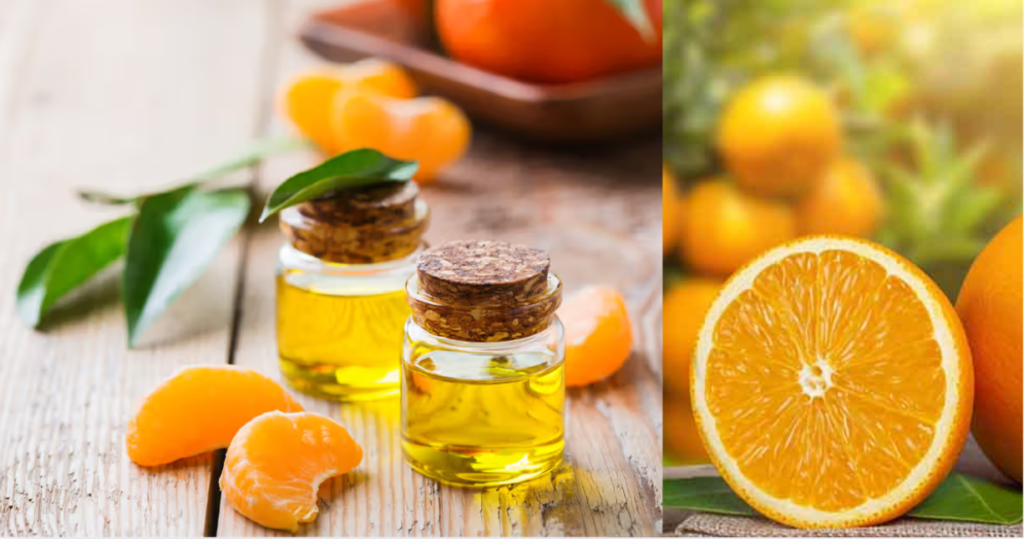
Orange essential oil, derived from the peel, is widely used in aromatherapy. Its citrus scent has been shown to:
- Lower cortisol levels (the primary stress hormone)
- Promote relaxation and mental clarity
- Improve overall mood and energy
Studies indicate that inhaling orange aroma for as little as 15 minutes can reduce stress and anxiety significantly.
Nutritional Contributions
Oranges are packed with vitamins, antioxidants, and natural compounds that support stress management:
- Vitamin C – helps reduce cortisol and supports adrenal health
- Flavonoids – provide antioxidant protection, reducing oxidative stress
- Potassium & Folate – support nerve function and mood regulation
Eating a fresh orange delivers a combination of these compounds, enhancing the calming effect beyond just the scent.
How Oranges Affect Your Brain
Impact on Neurotransmitters
The scent and taste of oranges stimulate areas in the brain responsible for pleasure and relaxation, including the limbic system. Key neurotransmitters affected include:
- Serotonin – promotes a sense of well-being
- Dopamine – enhances motivation and mood
- GABA – reduces nervous system excitability
Together, these effects create a natural calming response, lowering perceived stress.
Instant Mood Enhancement
Even brief exposure—such as peeling an orange or sipping fresh juice—can trigger a mood boost. The combination of sensory stimulation and vitamin intake gives your body a quick, natural stress reset.
Step-by-Step Ways to Use Oranges for Stress Relief
Step 1: Inhale the Aroma
- Peel a fresh orange near your workspace or home
- Take slow, deep breaths for 2–5 minutes
- Allow the citrus scent to uplift your mood
Step 2: Enjoy a Fresh Slice
- Eat a peeled segment slowly, savoring the sweetness
- Focus on texture, flavor, and juiciness
- Engage in mindful eating to enhance relaxation
Step 3: Use Orange-Infused Beverages
- Add fresh orange slices to water or herbal tea
- Sip slowly during breaks to reduce tension
- Combine with calming herbs like chamomile for a double effect
Advanced Strategies and Pro Tips
Create an Orange Aromatherapy Routine
- Diffuse orange essential oil in your room or office
- Pair with lavender or bergamot oils for enhanced stress relief
- Practice this routine before meditation or bedtime
Incorporate Oranges into Meals
- Add orange zest to salads, desserts, or marinades
- Use in smoothies for both taste and antioxidant support
- Combine with protein-rich snacks for balanced energy
Combine Scent and Taste for Maximum Effect
- Peel an orange while drinking a warm orange-infused tea
- This simultaneous stimulation engages multiple senses
- Results in deeper stress reduction and enhanced relaxation
Troubleshooting Common Challenges
Problem: You Don’t Like Eating Oranges
- Try orange juice or orange-infused water
- Add orange zest to dishes for flavor without eating whole fruit
Problem: Limited Access to Fresh Oranges
- Use orange essential oil for inhalation
- Dried orange slices in teas can provide a similar sensory effect
Problem: Effects Seem Minimal
- Increase exposure time (10–15 minutes)
- Practice mindful breathing and meditation alongside orange consumption
Maximizing Stress Reduction Results
Make Oranges Part of Your Daily Routine
- Start the day with a fresh orange or orange tea
- Incorporate segments into snacks or lunch breaks
- Keep oranges visible as a visual cue for self-care
Pair with Other Stress-Relieving Habits
- Light exercise or stretching
- Deep breathing or meditation
- Listening to calming music
Monitor Your Progress
- Track stress levels before and after orange-based practices
- Adjust consumption and routines to suit your personal response
Frequently Asked Question: Can Oranges Really Reduce Stress by Over 70%?
Yes. Several studies show that exposure to orange aroma and consumption of the fruit can significantly lower stress indicators. Cortisol levels, blood pressure, and heart rate often decrease noticeably, and self-reported stress can drop by 60–75% with consistent use. Combining sensory engagement with nutritional benefits amplifies this effect.
Internal Linking Opportunities
- Benefits of Citrus Fruits for Mental Health
- Mindful Eating Practices for Stress Reduction
- Natural Ways to Lower Cortisol Levels
- Aromatherapy Tips for Anxiety and Relaxation
- Vitamin C-Rich Foods to Boost Immunity
Conclusion
The scent and taste of oranges are simple yet powerful tools to reduce stress, enhance mood, and improve overall well-being. By incorporating oranges into your daily routine—through mindful eating, aromatherapy, or infused beverages—you can harness their natural calming effects.
Stress management doesn’t need to be complicated. With the right habits, like engaging your senses with oranges, you can transform your day, boost your energy, and feel more centered. Start small, savor the experience, and let this vibrant fruit become a natural ally in your journey to calm and balance.
Important Disclaimer: This article is for informational purposes only and should not replace professional advice. For health-related topics, consult healthcare providers. Individual results may vary.