Say goodbye to musty smells and banish dampness and mold forever. Discover easy, natural ways to refresh your home and protect your family’s health today.
Have you ever walked through your front door after a long day, only to be greeted by a heavy, lingering scent of damp socks or a “stale” basement? It is a common frustration that can make even the most beautiful house feel unwelcoming. That distinct odor is often a warning sign of hidden moisture, and if left unchecked, it can lead to stubborn mold growth that threatens both your property and your well-being. But don’t worry—you don’t have to live in a humid, smelly environment any longer! You can say goodbye to musty smells and reclaim your sanctuary using simple, effective, and natural strategies.
In this guide, we are going to walk you through a total home transformation. We will move beyond just masking odors with candles and dive deep into the root causes of dampness. You will discover how to optimize airflow, utilize high-impact natural absorbers, and implement maintenance rituals that keep your air crisp and clean. You have the capability to create a breathable, fresh space that honors your health and comfort. Let’s unlock the secrets to a dry, mold-free home together!
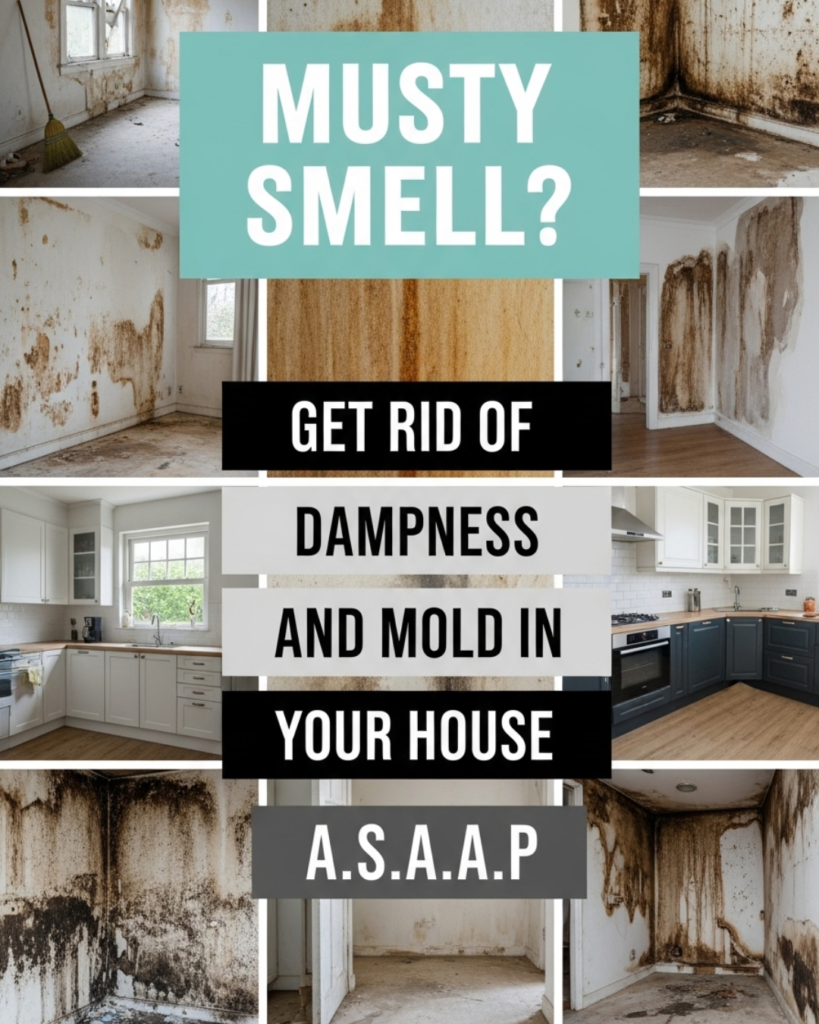
Foundation: Understanding the “Why” Behind the Musty Smell
Before we start scrubbing, it is essential to build confidence in your understanding of home ecology. Knowledge is your best tool in the fight against dampness.
What is that Musty Odor?
Musty smells are typically caused by Microbial Volatile Organic Compounds (mVOCs). These are gases released by mold and mildew as they grow and consume organic material like wood, drywall, or dust. If you can smell it, it means mold is likely active somewhere nearby. By learning how to ban dampness and mold, you are essentially cutting off the life support system for these fungi.
The Humidity Factor
Mold thrives when the relative humidity in your home exceeds 60%. High humidity can be caused by regional weather, poor ventilation, or everyday activities like cooking and showering. If you’ve been exploring [sustainable lifestyle changes] like reducing energy consumption, managing your home’s “breathability” is a fantastic next step.
Reassurance for Beginners
If you’ve found a patch of mildew behind a wardrobe, don’t panic. Most dampness issues are solvable with consistent, small actions. You are fully capable of turning a “soggy” room into a fresh haven without needing an expensive professional crew for every minor spot. It is all about proactive self-care for your living space.
Step-by-Step: Core Methods to Eliminate Dampness
Ready to take action? Follow this manageable process to implement the most effective tips to ban dampness and mold and refresh your environment quickly.
1. The “Air Exchange” Protocol
Stagnant air is a breeding ground for spores.
- The Action: Open windows on opposite sides of your home for at least 20 minutes daily, even in winter. This creates a “cross-breeze” that flushes out humid air.
- Pro-Tip: Use exhaust fans in the kitchen and bathroom for at least 15 minutes after you finish cooking or showering to ensure all steam is removed.
2. The Natural Moisture Absorber Hack
You don’t always need an electric dehumidifier to see results in small spaces.
- The Step: Place bowls of calcium chloride (damp rid), activated charcoal, or even [silica gel packets] in closets and corners.
- The Result: These materials pull moisture directly from the air, preventing that “closet smell” from attaching to your clothes.
3. The Vinegar and Tea Tree Shield
When you spot a small area of mold, skip the harsh bleach which can actually damage porous surfaces.
- The Step: Mix two teaspoons of tea tree oil with two cups of water (or use straight white vinegar) in a spray bottle.
- The Application: Spray the area and let it sit. Do not rinse. The acidity and antifungal properties kill the mold at the root, helping you say goodbye to musty smells naturally.
Advanced Strategies: Pro Tips for a Fresh Sanctuary
Once the basics are covered, you can use these expert-level insights to customize your approach and prevent odors from ever returning.
Strategic Furniture Placement
Many people ruin their walls by pushing furniture directly against them. You can share expert-level insights by explaining how leaving a two-inch gap between your sofa or wardrobe and the exterior wall allows air to circulate. This prevents “cold spots” where condensation forms and mold flourishes. This is a great [home DIY] tip for anyone living in older, less-insulated buildings.
The “Dry-Path” Laundry System
Drying clothes indoors is one of the biggest contributors to indoor dampness. If you must dry inside, place your drying rack in a room with a closed door and an open window, or use a dedicated dehumidifier in that space. This prevents several liters of water from evaporating into your living room and bedroom.
Pro-Tip: Charcoal and Coffee Grounds
For deep-seated smells in cabinets, use dried, used coffee grounds. Once they are completely dry, they act as a powerful odor neutralizer. This is a perfect [vintage cleaning tip] that is both eco-friendly and incredibly effective at absorbing the “stale” scent of old wood.
Troubleshooting: Common Challenges and Solutions
Even with the best routine, some dampness can be stubborn. Here is how to handle frequent obstacles with encouragement.
“I have a leak I can’t find.”
- The Solution: Check your “wet walls”—the walls that share plumbing with your bathroom or kitchen. Look for bubbling paint or yellow staining. If you find a leak, address it immediately. No amount of cleaning will ban dampness and mold if there is an active water source.
- Encouragement: Catching a leak early is a major win that saves you thousands in future repairs!
“My basement always feels damp regardless of what I do.”
- The Fix: Basements are naturally prone to moisture through “wicking” from the soil. Use a high-capacity dehumidifier set to 45% humidity. This is a [home maintenance must] for anyone with a below-grade living space.
- Alternative Approach: Check your gutters. Often, damp basements are caused by water pooling at the foundation because of clogged gutters.
“The musty smell is coming from my carpet.”
- The Preventive Measure: Carpets trap moisture and dust, which mold loves. If your carpet smells, try a deep sprinkle of baking soda left overnight before vacuuming. If the smell persists, it might be time to transition to [hardwood floors] or another non-porous surface.
Maximizing Results: Long-Term Freshness
To build upon your success, view your home’s atmosphere as a reflection of your overall wellness.
Seasonal Maintenance
Every spring and autumn, perform a “Deep Moisture Check.” Inspect the seals around your windows and the weather stripping on your doors. Small gaps can let in humid air or rain, sabotaging your efforts to stay dry. This proactive approach is a key part of [sustainable home ownership].
Suggesting Complementary Strategies
Consider incorporating air-purifying plants like the Snake Plant or Peace Lily. While they don’t “eat” mold, they do help regulate indoor air quality and add a sense of nature to your space. When you coordinate your home care with [simple evening rituals that keep things organized], you’ll find that a fresh, dry home becomes your natural baseline.
Featured Snippet: How do I get rid of a musty smell in my house?
To get rid of a musty smell, you must eliminate the source of moisture. Increase ventilation by opening windows daily, use exhaust fans in bathrooms, and maintain indoor humidity below 50% using a dehumidifier. Clean existing mold with white vinegar or tea tree oil, and use natural absorbers like activated charcoal or baking soda to neutralize lingering odors in closets and basements.
Conclusion
By taking these steps to say goodbye to musty smells, you are doing more than just cleaning—you are protecting the integrity of your home and the health of your family. You have discovered that you have the capability to succeed in creating a crisp, inviting atmosphere through mindful habits and natural solutions. Achieving a home that feels as fresh as it looks is a journey of consistency, and the benefits of breathing clean, dry air are well worth the effort.
You’ve got this! Start today by opening a few windows and checking the humidity levels in your most “suspicious” room. Your journey to a fresher, healthier home starts with that first breath of fresh air.