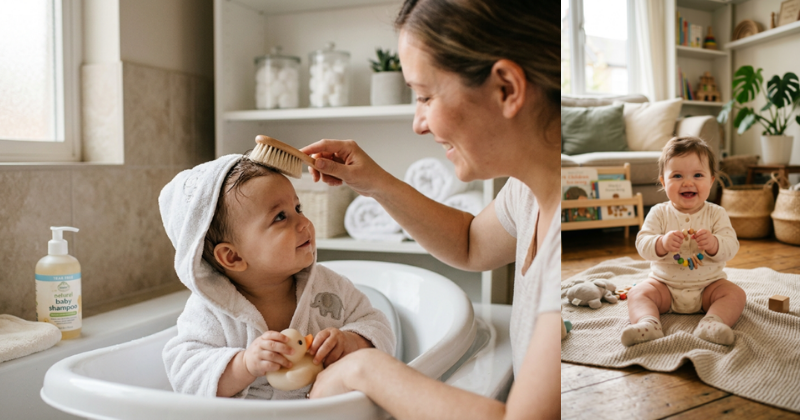
New parents often worry when their baby’s hair looks fine, wispy, or almost nonexistent. Thin baby hair is completely normal—especially in the first year. Many newborns lose their initial hair and grow back finer strands that can stay thin until toddlerhood. The good news? With the right gentle care, you can support healthy growth, prevent breakage, reduce scalp irritation, and help your little one’s hair look its best without harsh chemicals or complicated routines. In this guide, you’ll discover five simple, safe, and natural baby hair care tips for thin hair that are backed by pediatric dermatology principles and real-parent experience. These tips focus on protecting the delicate scalp, minimizing damage, and encouraging natural thickness over time—all while keeping things easy for busy moms and dads. No expensive products or salon visits required—just everyday habits that fit into your routine and keep your baby comfortable and happy.
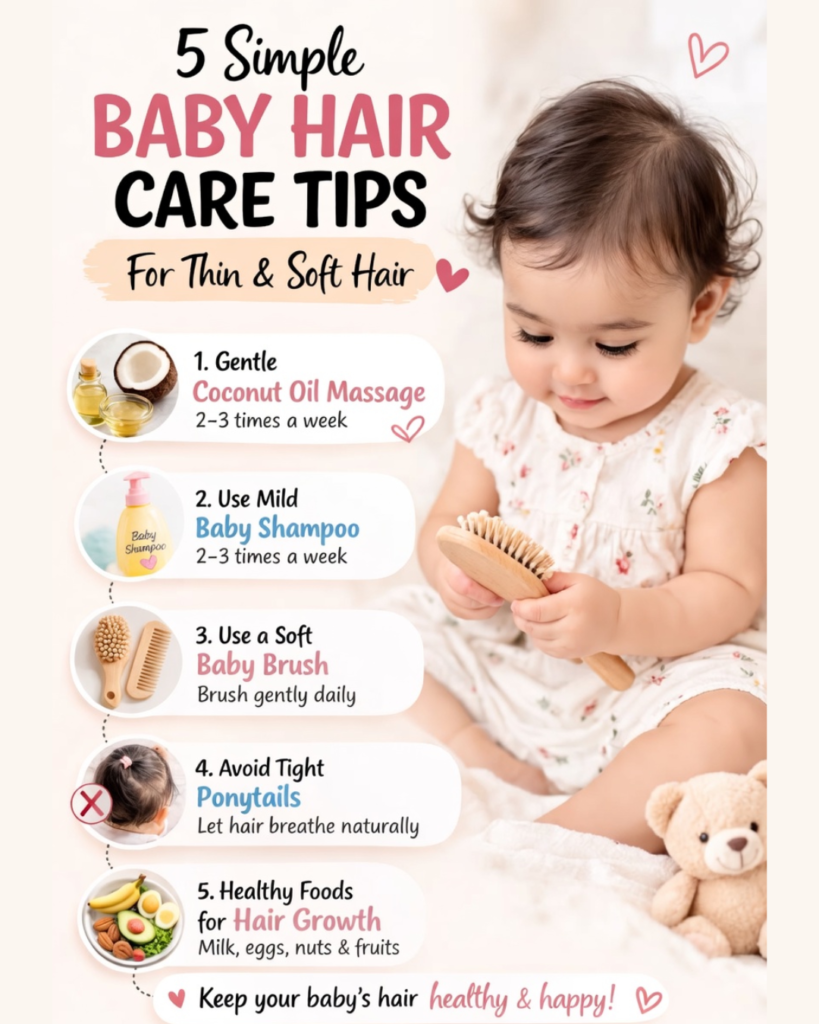
Understanding Thin Baby Hair: Why It Happens and Why Gentle Care Matters
Baby hair is structurally different from adult hair. It has a smaller diameter, less pigment, and a weaker bond between the hair shaft and follicle. Hormonal changes after birth, genetics, and even cradle cap can make new growth appear finer and slower. Harsh shampoos, tight ponytails, or rough brushing can cause breakage and slow progress. The goal of baby hair care for thin hair is simple: protect what’s there, support the scalp’s natural oil balance, and avoid anything that pulls, dries, or irritates. Pediatric experts recommend minimal intervention—less is truly more when it comes to infants and toddlers. Following these five tips consistently can lead to visibly healthier, less fragile hair within 4–8 weeks while preventing common issues like dryness or cradle cap.
Tip 1: Wash Less Often with Lukewarm Water and a Tear-Free Gentle Cleanser
Over-washing strips the scalp’s natural oils that protect thin strands. Most babies only need a wash 1–2 times per week.
How to do it safely:
- Use lukewarm (never hot) water to avoid drying the scalp.
- Choose a fragrance-free, tear-free baby shampoo made with gentle, plant-based ingredients (look for “hypoallergenic” and “no sulfates” on the label).
- Wet the hair, apply a dime-size amount of shampoo, and massage lightly with your fingertips for 20–30 seconds.
- Rinse thoroughly but gently—pat dry with a soft towel instead of rubbing.
- If your baby has cradle cap, add a drop of coconut oil before washing to loosen flakes.
Why it works: Frequent washing removes protective sebum, making thin hair look even thinner and more brittle. Once or twice weekly keeps the scalp balanced and prevents dryness.
Tip 2: Use Natural, Lightweight Moisturizers on the Scalp and Ends
Thin baby hair needs hydration without weighing it down. A tiny amount of natural oil or a leave-in conditioner keeps strands soft and reduces breakage.
How to do it safely:
- After bath time, apply 1–2 drops of food-grade coconut oil, jojoba oil, or a baby-safe leave-in spray to the ends and scalp.
- Warm the oil between your palms and gently massage in circular motions (this also stimulates blood flow to encourage growth).
- Focus only on the lengths and ends—avoid the roots if your baby has oily scalp.
- Let it absorb naturally; no need to rinse.
Why it works: Natural oils mimic the scalp’s own sebum, sealing in moisture and protecting fragile strands from friction during sleep or play. Coconut oil, in particular, has been shown in small studies to reduce protein loss in hair.
Tip 3: Finger Detangle and Use a Soft Brush Only When Necessary
Rough brushing is one of the fastest ways to break thin baby hair. Fingers are the gentlest tool.
How to do it safely:
- Never brush dry hair—always detangle when wet or after applying a light oil.
- Start at the ends and work upward with your fingers in slow, gentle motions.
- Use a soft-bristle baby brush or wide-tooth comb only for styling, and limit to once a day.
- For tangled spots, apply a drop of oil first and let it sit 1–2 minutes.
Why it works: Thin hair has less tensile strength, so mechanical stress causes breakage. Finger detangling minimizes pulling and preserves length as new hair grows in.
Tip 4: Protect Hair Overnight and Avoid Tight Styles
Nighttime friction and tight ponytails or clips can cause breakage and even traction alopecia in babies.
How to do it safely:
- Use a soft silk or satin pillowcase (or a soft cotton hat) to reduce friction while sleeping.
- Keep hair loose or in very loose pigtails/buns—never tight elastics or clips that pull on the scalp.
- For babies with longer hair, gently braid loosely at bedtime or use a soft headband.
- Trim split ends every 6–8 weeks with baby-safe scissors to prevent further damage.
Why it works: Silk and satin reduce static and breakage compared to cotton. Loose styles prevent tension on delicate follicles, allowing hair to grow longer and stronger over time.
Tip 5: Support Scalp Health and Overall Nutrition for Stronger Growth
Healthy hair starts at the scalp and inside the body. A clean, nourished scalp encourages thicker regrowth.
How to do it safely:
- Gently massage the scalp during bath time or with a soft brush to boost circulation.
- Offer nutrient-rich foods (if your baby is eating solids) like avocado, eggs, and leafy greens that supply biotin, protein, and healthy fats.
- If breastfeeding, focus on a balanced maternal diet—the nutrients pass through milk.
- Keep the scalp clean but not over-washed, and avoid products with fragrance or alcohol.
Why it works: Scalp massage increases blood flow, delivering oxygen and nutrients to follicles. Proper nutrition from the inside supports keratin production, the protein that makes hair stronger and less prone to thinning.
Common Mistakes Parents Make with Thin Baby Hair
- Washing every day—strips natural oils and dries out the scalp.
- Using adult shampoos or heavy styling products—too harsh for baby skin.
- Tight hairstyles or constant ponytails—causes breakage and traction damage.
- Rubbing with a towel instead of patting—creates friction and tangles.
- Ignoring cradle cap or buildup—can block follicles and slow growth.
Always consult your pediatrician if you notice sudden hair loss, redness, or persistent cradle cap.
Conclusion: Gentle Care Makes All the Difference
Thin baby hair is temporary and perfectly normal, but consistent, loving care can make a big difference in how healthy and beautiful it looks as your little one grows. These five simple baby hair care tips for thin hair—gentle washing, natural moisturizing, finger detangling, overnight protection, and scalp support—protect delicate strands, reduce breakage, and encourage stronger growth without any harsh chemicals. Start with just one or two tips this week and watch how your baby’s hair becomes softer, shinier, and more manageable. Patience and gentleness are the real secrets—your baby’s hair will thicken naturally over time with the right care. Save this guide, share it with other parents, and enjoy every sweet moment of your baby’s hair journey. You’re doing a wonderful job.