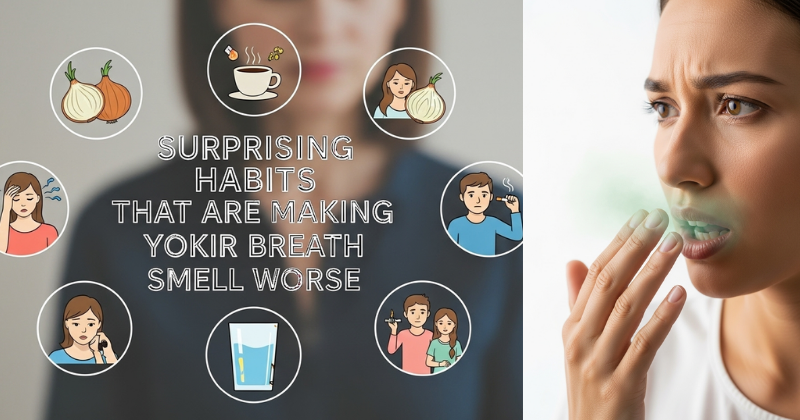
Discover the 7 surprising habits that are making your breath smell worse. Learn how to refresh your mouth and boost your confidence with simple lifestyle changes.
Important Disclaimer: This article is for informational purposes only and should not replace professional advice. For health-related topics, consult healthcare providers. Individual results may vary, and personal circumstances should always be considered when implementing any suggestions.
Have you ever finished your morning routine, caught a glimpse of yourself in the mirror, and felt ready to take on the world—only to realize your breath isn’t exactly “minty fresh”? It is a common experience that can chip away at your confidence during important meetings or intimate dates. You might be brushing and flossing regularly, yet still find yourself reaching for gum every hour. The truth is, bad breath (or halitosis) isn’t always about a lack of hygiene. Often, it is caused by small, everyday actions you might never suspect.
In this guide, we are going to unlock the mystery of why your breath might be betraying you. You will discover the 7 surprising habits that are making your breath smell worse and learn actionable ways to reverse the damage. You have the capability to transform your oral health and achieve lasting freshness. Let’s dive into these common pitfalls and discover how you can reclaim your confidence today!
Foundation: Understanding the Root of Oral Odor
Before we tackle the specific habits, it is essential to build confidence in how oral odor actually works. Bad breath is primarily caused by the metabolic byproducts of bacteria living in your mouth.
The Role of Bacteria
Your mouth is a complex ecosystem. When bacteria break down proteins and food particles, they release volatile sulfur compounds (VSCs). These compounds are the primary culprits behind that unpleasant smell. By identifying the 7 surprising habits that are making your breath smell worse, you are effectively learning how to manage this bacterial balance. This is a foundational step in [sustainable wellness changes] that prioritize long-term health over quick fixes.
Reassurance for Beginners
If you feel embarrassed about your breath, take heart. Halitosis affects nearly 25% of the global population at some point. It is a biological hurdle, not a character flaw. Once you understand the “why,” the “how” of fixing it becomes much simpler. You can achieve a cleaner, fresher mouth by simply tweaking your daily routine.
Key Components of Oral Health
- Saliva Production: Your mouth’s natural cleaning agent.
- Microbiome Balance: Keeping “good” and “bad” bacteria in check.
- Hydration Levels: Essential for flushing out food debris.
The 7 Surprising Habits That Are Making Your Breath Smell Worse
Ready to uncover the hidden triggers? Here are the daily choices that might be sabotaging your smile.
1. Skipping Breakfast
When you sleep, your saliva production slows down, which is why we have “morning breath.” If you skip breakfast, you miss the opportunity to stimulate saliva production early in the day. Eating helps mechanically scrub the tongue and triggers the glands to wash away overnight bacterial buildup.
2. Overusing Alcohol-Based Mouthwash
It sounds counterintuitive, but your mouthwash might be part of the problem. High-alcohol formulas can dry out your oral tissues. A dry mouth is a breeding ground for the bacteria that produce foul-smelling sulfur.
- The Action: Switch to an alcohol-free rinse to keep your mouth hydrated.
3. Breathing Through Your Mouth
Whether it’s due to a stuffy nose or a habit during exercise, mouth breathing evaporates saliva quickly. This lack of moisture prevents the mouth from neutralizing acids and washing away dead cells. This is often linked to [lifestyle habits that affect sleep quality].
4. A Low-Carb or Keto Diet
When you significantly cut carbohydrates, your body enters a state called ketosis to burn fat for fuel. A byproduct of this process is the production of acetones, which are excreted through your breath. This often results in a “fruity” or “metallic” smell that brushing alone won’t fix.
5. Constant Coffee Sipping
Coffee is highly acidic and contains sulfur-containing compounds. Furthermore, caffeine is a diuretic, which leads to a dry mouth. Sipping coffee all day keeps your oral pH low and your mouth dry—the perfect environment for odor-producing microbes.
6. Relying on Sugary Mints
Many people reach for mints to “mask” the smell, but if those mints contain sugar, you are actually feeding the bacteria. The bacteria ferment the sugar, producing more acid and more odor.
- The Swap: Choose xylitol-sweetened mints, which can actually help inhibit bacterial growth.
7. Neglecting Your Tongue
You might be a champion flosser, but if you aren’t cleaning your tongue, you are missing the largest reservoir of bacteria in your mouth. The tiny bumps on your tongue (papillae) trap food particles and microbes like a shag carpet.
Step-by-Step: How to Refresh Your Breath Naturally
Transforming your breath doesn’t require expensive treatments. Follow these manageable steps to achieve a significant shift in just a few days.
1. Master the Tongue Scrape
Don’t just use your toothbrush; invest in a dedicated tongue scraper.
- The Method: Every morning, gently pull the scraper from the back of your tongue to the front. You will see a “filmy” residue—that is the source of the odor.
- The Tip: This simple [daily habit] can reduce VSCs by up to 75%.
2. Hydrate Strategically
Don’t just drink water when you’re thirsty. Sip water consistently throughout the day to keep your saliva flowing. If you have a dry mouth, try chewing sugar-free gum with xylitol to stimulate the salivary glands.
3. Use Natural Odor Neutralizers
If you’ve eaten something pungent like garlic or onions, try snacking on raw apples, carrots, or fresh parsley. These foods contain polyphenols and enzymes that break down sulfur compounds in the mouth. This is a great way to [discover the power of whole foods] in your grooming routine.
Advanced Strategies: Pro Tips for Long-Term Freshness
Once you have mastered the basics, use these expert insights to maintain your progress and customize your approach.
The Probiotic Connection
Just as you take probiotics for gut health, oral probiotics can help repopulate your mouth with “good” bacteria like S. salivarius K12. This prevents the “bad” bacteria from taking over and producing odors. This is an advanced move for those seeking [next-level wellness strategies].
Monitoring Your pH
A highly acidic mouth (from soda, coffee, or citrus) weakens enamel and helps odor-causing bacteria thrive. After consuming acidic foods, rinse your mouth with plain water or a mixture of water and a pinch of baking soda to neutralize the environment. This is as simple as a [DIY home tip] but has professional-level results.
Pro-Tip: Check Your Medication
Many common medications for blood pressure, allergies, and depression list “dry mouth” as a side effect. If you suspect your medication is one of the 7 surprising habits that are making your breath smell worse, talk to your doctor about moisturizing sprays or gel substitutes.
Troubleshooting: Common Challenges and Solutions
Even with a perfect routine, you might hit a snag. Here is how to handle frequent obstacles.
“I clean my tongue, but it still looks white.”
- The Solution: A persistent white coating can sometimes indicate an overgrowth of yeast (thrush) or chronic dehydration.
- The Fix: Increase your water intake and consider a [saltwater rinse] twice a day to balance the oral environment. If it persists, consult a dentist.
“My breath smells even after I brush.”
- The Advice: The smell might not be coming from your mouth.
- The Strategy: Chronic bad breath can stem from the sinuses (post-nasal drip) or the stomach (GERD). If you’ve addressed all 7 habits and still have issues, it may be time to look at [digestive health solutions].
“I can’t tell if my breath actually smells.”
- The Shortcut: Lick the back of your wrist, let it dry for ten seconds, and then sniff. If it smells unpleasant, that is an accurate reflection of your breath.
Maximizing Results: Sustainable Oral Vitality
To build upon your success, look at your oral health as part of your total body wellness.
Regular Dental Checkups
Maintenance is key. Professional cleanings remove tartar (hardened plaque) that you cannot reach with a toothbrush. Tartar is a “hotel” for bacteria, and removing it is essential for long-term freshness.
The Sleep Link
If you wake up with an extremely dry mouth, you might be snoring or have sleep apnea. Addressing these [sleep-related challenges] not only improves your rest but also protects your mouth from the drying effects of nighttime mouth breathing.
Featured Snippet: Why does my breath smell bad even after brushing?
Bad breath after brushing is often caused by bacteria on the tongue, dry mouth (xerostomia), or underlying health issues like sinus infections or acid reflux. Habits such as mouth breathing, skipping breakfast, or using alcohol-based mouthwashes can dry out the mouth, preventing saliva from neutralizing odor-causing sulfur compounds. Cleaning your tongue and staying hydrated are essential for lasting freshness.
Conclusion
Understanding the 7 surprising habits that are making your breath smell worse is an empowering realization. You have discovered that you have the capability to succeed in controlling your oral health through simple, mindful choices. By prioritizing hydration, tongue cleaning, and the right dietary swaps, you achieve a level of freshness that boosts your confidence in every interaction.
You’ve got this! Start today by scraping your tongue or swapping your afternoon coffee for a glass of water. Small changes lead to transformative results.