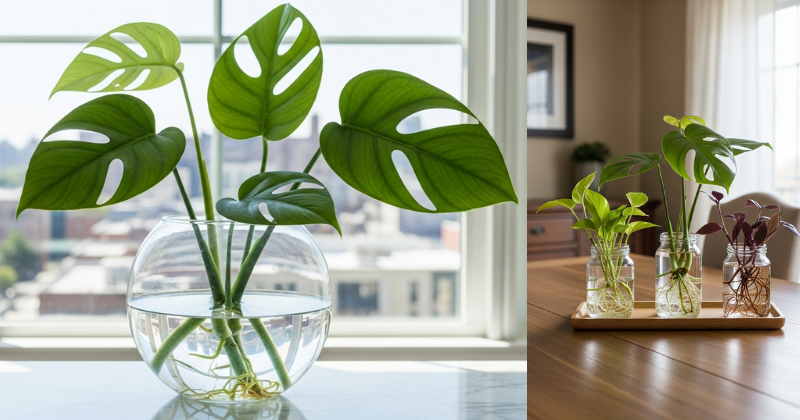
Meta Description: Discover 8 beautiful indoor plants that grow in water effortlessly! Learn how to start, maintain, and style your water-grown greenery for a fresh, vibrant home.
Have you ever dreamed of filling your home with lush green plants — but without the mess of soil? Growing indoor plants in water might be your perfect solution. It’s clean, stylish, low-maintenance, and surprisingly rewarding. Whether you’re short on space, new to plant care, or simply love modern home décor, these water-growing wonders bring life and tranquility into any room.
In this guide, you’ll discover 8 indoor plants that thrive in water, plus expert tips on how to keep them healthy, vibrant, and thriving year-round. You’ll learn how to start your cuttings, what containers work best, and how to transform your glass jars into living art pieces.
Let’s dive in and unlock the easiest way to grow greenery at home — no soil required!
Understanding Water-Grown Plants
Growing plants in water — also called hydroponic propagation — is one of the simplest forms of plant care. Instead of relying on soil, plants absorb nutrients directly from the water.
Why Grow Plants in Water?
Here are just a few reasons why water-growing plants are becoming a global trend:
- Zero mess: No soil, no spills, no insects.
- Aesthetic appeal: Clear glass jars showing roots are both artistic and calming.
- Low maintenance: Just change the water occasionally and give them some light.
- Budget-friendly: You can start new plants from simple stem cuttings.
What You’ll Need to Start
- Glass containers: Jars, bottles, or vases work perfectly.
- Filtered or distilled water: Tap water can be used if left to sit overnight.
- Healthy cuttings: Choose plants known to thrive in water.
- Indirect sunlight: Bright but gentle light keeps your plants growing strong.
Now that you’ve got the basics, let’s explore the best indoor plants that grow in water beautifully.
1. Pothos (Devil’s Ivy)
Pothos is one of the most popular houseplants — and it grows effortlessly in water. Its heart-shaped leaves and trailing vines bring instant tropical charm to your space.
How to grow:
- Cut a 4–6 inch stem below a leaf node.
- Place it in water, ensuring nodes are submerged.
- Keep it in bright, indirect sunlight.
Pro tip: Change the water every two weeks and trim roots if they grow too dense.
Why it’s great: Pothos is nearly indestructible and adapts well to any room — even low-light corners.
2. Lucky Bamboo
Despite its name, Lucky Bamboo isn’t actually bamboo — it’s a resilient tropical plant called Dracaena sanderiana.
How to grow:
- Place the stalks in a tall glass vase with at least 2 inches of water.
- Support them with pebbles or marbles to hold upright.
Care tip: Keep the water level consistent and use filtered water to avoid chlorine buildup.
Fun fact: In Feng Shui, Lucky Bamboo symbolizes harmony and prosperity — perfect for offices and living spaces.
3. Philodendron
With its glossy green leaves and forgiving nature, Philodendron is a classic indoor favorite.
How to grow:
- Snip a stem with a few leaves and place it in a jar of water.
- Ensure the bottom nodes are submerged but leaves stay above the surface.
Light requirement: Bright, indirect sunlight.
Bonus: Once established, your Philodendron can live in water indefinitely!
4. Spider Plant
Spider Plants are perfect for beginners and thrive in almost any condition. Their arching leaves and little “baby” offshoots look stunning in hanging glass jars.
Propagation steps:
- Cut one of the small plantlets (“spiderettes”) from the main plant.
- Place it in water until roots grow (usually within 2 weeks).
- Keep it near a window but out of direct sunlight.
Tip: Spider Plants purify the air, making them excellent for bedrooms and kitchens.
5. English Ivy
For an elegant, cascading look, English Ivy is your go-to. It’s a fast grower that adapts beautifully to water culture.
How to grow:
- Snip a stem with several leaves.
- Remove the bottom leaves and submerge the stem in water.
Care note: Ivy prefers cooler rooms and indirect light.
Style idea: Grow it in a tall clear vase and let the vines drape down a shelf or windowsill for that “storybook” charm.
6. Wandering Jew (Tradescantia zebrina)
This colorful beauty features purple and silver-striped leaves that look dazzling in glass containers.
How to grow:
- Take a 4-inch cutting just below a leaf node.
- Place it in water and watch the roots develop within a week.
Light requirement: Moderate to bright light.
Pro tip: Change water weekly to maintain the plant’s vibrant color and prevent root rot.
7. Chinese Evergreen (Aglaonema)
If you want a statement plant that practically grows itself, Chinese Evergreen is perfect. It’s hardy, tolerant of low light, and elegant with its patterned leaves.
How to grow:
- Cut a healthy stem and remove the lower leaves.
- Place it in a jar with water just deep enough to cover the nodes.
Care tip: Refresh the water every 10–14 days and clean the roots gently if algae appear.
Bonus: It’s one of NASA’s top air-purifying plants — stylish and healthy!
8. Basil (Yes, the Herb!)
Growing basil in water not only adds greenery to your kitchen but also gives you fresh herbs for cooking.
How to grow:
- Take a stem cutting from a healthy basil plant.
- Remove lower leaves and place the stem in water.
- Keep it near a sunny window.
Harvest tip: Pinch off the top leaves regularly to encourage bushier growth.
Pro tip: You can also grow mint, oregano, and rosemary in water using the same method!
Common Questions About Growing Plants in Water
How often should I change the water?
Change it every 1–2 weeks, or sooner if it becomes cloudy. Clean containers before refilling.
Can I use tap water?
Yes, but let it sit for 24 hours to allow chlorine to evaporate. Filtered water is ideal.
Do water-grown plants need fertilizer?
Yes, after the first month. Use a liquid houseplant fertilizer at half strength once a month.
Troubleshooting & Common Mistakes
Even though growing plants in water is simple, here are some things to watch out for:
- Yellowing leaves: Often caused by too much sunlight or dirty water.
- Slimy roots: Indicates bacterial growth — clean the jar and trim roots.
- Algae buildup: Wrap the jar in paper or use tinted glass to block excess light.
- Slow growth: Add a drop of liquid fertilizer or move the plant to brighter light.
Remember — most problems are easily fixable! Stay patient and your plants will reward you with beautiful, thriving growth.
Styling Ideas for Your Water Plants
Want to make your home look like a botanical café? Try these creative display ideas:
- Use clear glass bottles of different shapes for an artistic vibe.
- Add colored pebbles or shells for decoration.
- Arrange multiple jars on a floating shelf or windowsill.
- Combine tall and short stems for a layered, modern look.
- Grow herbs in small mason jars for a functional kitchen garden.
These little green corners can instantly elevate your décor while keeping your air fresh and clean.
Taking It to the Next Level
Once you’ve mastered basic water growing, try these fun ideas:
- Create a mini hydro garden: Combine several plants in one large container.
- Experiment with rooting hormones for faster growth.
- Rotate plants between water and soil for variety.
- Gift your water cuttings in jars — they make beautiful, living presents!
Each success builds your confidence as an indoor gardener.
Conclusion
Growing indoor plants in water is one of the easiest and most rewarding ways to bring nature indoors. From graceful Pothos to fragrant Basil, each plant offers a touch of beauty, calm, and connection to nature — with minimal effort required.
You don’t need a green thumb or fancy tools; just curiosity and a glass of water can transform your home into a lush indoor oasis.
Start today — snip a cutting, fill a jar, and watch life grow before your eyes. 🌿
You’ve got this! Bring the serenity of nature into your home, one jar at a time.