
Learn why a cardiologist shares the recipe for the only bread which you can eat as much as you like. This heart-healthy, grain-free bread supports your wellness goals.
Important Disclaimer: This article is for informational purposes only and should not replace professional advice. For health-related topics, consult healthcare providers. For financial or legal matters, seek qualified professional guidance. Individual results may vary, and personal circumstances should always be considered when implementing any suggestions.
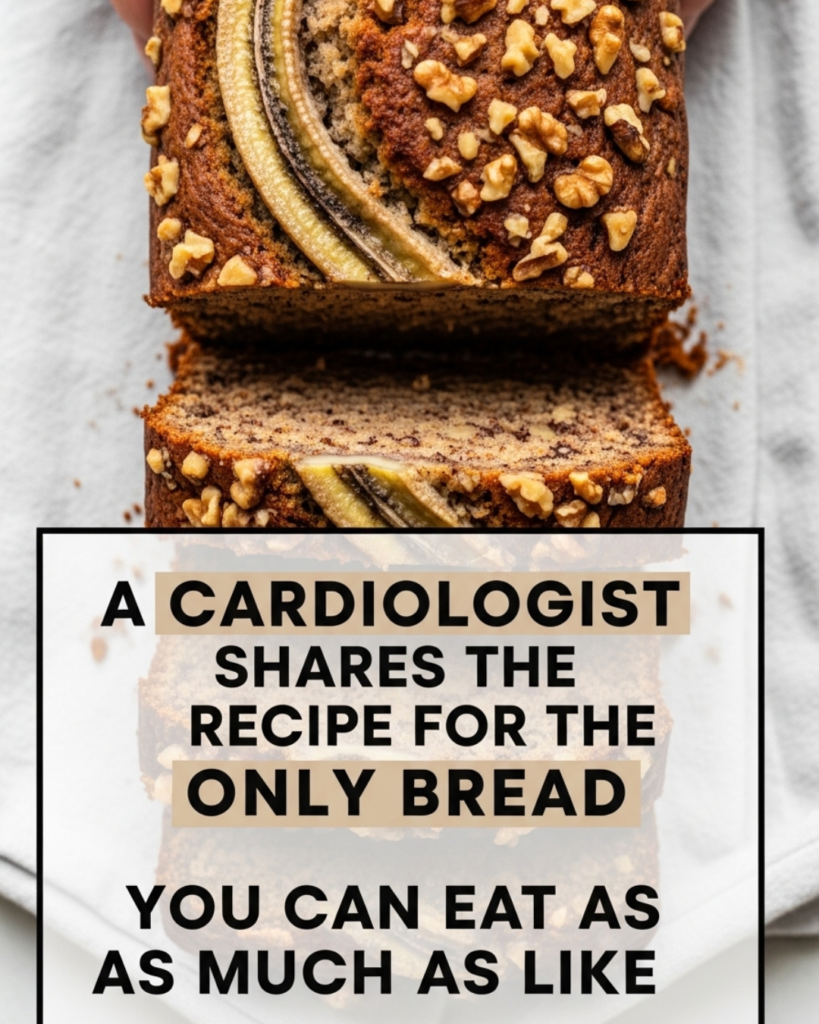
For years, bread has been labeled the “enemy” of a healthy heart. We’ve been told to avoid white flour, steer clear of gluten, and watch our carbohydrate intake to prevent inflammation and arterial plaque. But what if you didn’t have to say goodbye to your favorite sandwich or morning toast? Imagine a world where a cardiologist shares the recipe for the only bread which you can eat as much as you like because it actually supports your cardiovascular health.
In this article, we are going to unlock the secrets of “The Heart-Healthy Loaf.” You will discover how to replace inflammatory grains with nutrient-dense seeds and fiber-rich flours that keep your blood sugar stable and your heart pumping strong. You have the capability to transform your diet without sacrificing the comfort of a warm, crusty slice of bread. Let’s dive into this revolutionary approach to baking and achieve a new level of wellness together!
Foundation: The Science of Heart-Healthy Baking
Before we get to the oven, it is essential to build confidence in why traditional bread often fails our hearts and how this specific recipe changes the game. Understanding the biology of grains helps you make empowered choices.
The Problem with Modern Grains
Most commercial breads are made with highly processed wheat. Even “whole wheat” options can cause rapid spikes in blood glucose, leading to insulin resistance and systemic inflammation. A cardiologist shares the recipe for the only bread which you can eat as much as you like specifically because it removes these triggers. By focusing on [sustainable lifestyle changes], we move away from empty calories and toward functional nutrition.
Why This Bread is Different
This recipe relies on “resistant starch” and healthy fats. Instead of traditional flour, we use almond flour and flaxseeds, which are packed with Omega-3 fatty acids. These nutrients are famous for reducing bad cholesterol (LDL) and supporting arterial elasticity. You don’t have to be a master baker to succeed; you just need to understand that your ingredients are your medicine.
Key Components for Beginners
- Psyllium Husk: This provides the “chew” and acts as a powerful prebiotic fiber.
- Healthy Fats: Walnuts and olive oil provide satiety and heart protection.
- Low Glycemic Index: This bread won’t cause the “sugar crash” associated with white bread.
Step-by-Step: Crafting the Cardiologist’s Special Loaf
Ready to fill your home with the aroma of fresh baking? Follow this manageable, step-by-step process to create your own heart-healthy bread.
1. Gather Your Superfood Ingredients
- 1.5 Cups Almond Flour: Rich in Vitamin E and magnesium.
- 1/2 Cup Ground Flaxseeds: For fiber and Omega-3s.
- 1/4 Cup Psyllium Husk Powder: Essential for the bread-like texture.
- 2 Teaspoons Baking Powder & 1/2 Teaspoon Sea Salt.
- 3 Large Egg Whites & 1 Whole Egg: For structure and protein.
- 1 Cup Boiling Water: This “activates” the fiber to create a rise.
2. The Mixing Process
- Dry First: Whisk all dry ingredients in a large bowl. Ensure there are no clumps in the almond flour.
- The Wet Mix: Add the eggs and whisk until combined. The dough will look thick and heavy.
- The Activation: Pour the boiling water into the bowl. Use a hand mixer or a sturdy spoon to blend for about one minute. You will see the dough expand and become elastic.
3. Baking for Success
- Shape: Form the dough into a loaf shape or small rolls.
- The Heat: Bake at 350°F (175°C) for 50–60 minutes.
- The Test: The bread should sound “hollow” when tapped on the bottom. Let it cool completely before slicing—this is crucial for the internal structure to set!
Advanced Strategies: Customizing for Maximum Flavor
Once you’ve mastered the base recipe, you can share these expert-level variations to keep your meals exciting and diverse.
The Mediterranean Infusion
Add sun-dried tomatoes, dried oregano, and chopped Kalamata olives to the dough. These ingredients are staples of the Mediterranean diet, which is widely regarded by medical professionals as the gold standard for heart health. This is a perfect way to [discover a deeper connection with nature] through whole-food seasonings.
The “Crunch” Factor
Fold in a half-cup of raw pumpkin seeds (pepitas) or sunflower seeds. These add a delightful texture and provide extra zinc and magnesium. Magnesium is often called the “heart mineral” because it helps maintain a steady heartbeat and healthy blood pressure.
Pro-Tip: Slicing and Freezing
Because this bread has no preservatives, it is best kept in the fridge or freezer. Slice the entire loaf once cooled and store it in a silicone bag. You can pop a slice directly into the toaster whenever you want a snack. This makes [maintaining a healthy diet] incredibly convenient for a busy lifestyle.
Troubleshooting: Common Challenges and Solutions
Even with a cardiologist-approved recipe, baking with alternative flours can be a learning curve. Here is how to handle frequent obstacles.
“My bread is too moist or ‘gummy’ in the middle.”
- The Solution: This usually means the psyllium husk hasn’t fully set or the water wasn’t hot enough.
- The Fix: Ensure your water is at a rolling boil. Additionally, try baking the loaf for an extra 10 minutes or using a larger baking sheet to increase the surface area.
“It didn’t rise as much as I expected.”
- The Advice: Almond flour is heavy and doesn’t rise like wheat. Reassure yourself that a denser, nutrient-rich bread is actually more filling!
- Preventive Measure: Check the expiration date on your baking powder. Freshness is key for that slight lift.
“I miss the taste of sourdough.”
- The Secret: Add a tablespoon of apple cider vinegar to the wet ingredients. It provides a subtle tang that mimics the flavor of traditional fermented breads while helping the baking powder react for a fluffier texture.
Maximizing Results: Living the Heart-Healthy Way
To build upon the success of your new bread habit, consider these long-term lifestyle considerations to keep your cardiovascular system in peak condition.
Strategic Pairing
What you put on the bread matters as much as the bread itself. Swap butter for smashed avocado or extra virgin olive oil. Combine your toast with a [detox foot soak] ritual in the evening to lower stress levels, as chronic stress is a major contributor to heart disease.
The Power of Fiber
Because this bread is so high in fiber, it helps you feel full longer, which naturally aids in weight management. Use this bread as a tool to [achieve sustainable weight loss] without feeling deprived. It’s about abundance, not restriction!
Featured Snippet: What is the healthiest bread for your heart?
The healthiest bread for your heart is one that is grain-free, low-glycemic, and high in Omega-3 fatty acids. A cardiologist-approved recipe typically uses almond flour, flaxseeds, and psyllium husk instead of white or whole wheat flour. This combination prevents blood sugar spikes, reduces systemic inflammation, and provides essential minerals like magnesium that support heart function and arterial health.
Conclusion
Understanding why a cardiologist shares the recipe for the only bread which you can eat as much as you like is the first step toward a guilt-free relationship with food. You have discovered that you have the capability to succeed in nourishing your body with delicious, crusty bread that actually protects your heart. By making this simple switch, you achieve a lifestyle that balances culinary joy with medical wisdom.
You’ve got this! Start your baking journey today and experience the difference that heart-healthy ingredients can make. Your heart will thank you for every delicious bite.