Our bodies are incredible machines, working tirelessly to keep us alive, active, and vibrant. Each organ plays a unique role—from pumping blood and filtering toxins to regulating hormones and aiding digestion. Yet, we often take these vital systems for granted, only noticing them when something goes wrong. What if you could actively nurture your organs and prevent many health issues before they even appear?
Meta Description: Learn how to protect and nurture your body’s organs with practical tips, nutrition, and lifestyle habits for long-term health and vitality.
Taking care of your organs doesn’t have to be overwhelming. With small, intentional changes, you can support heart health, boost liver function, maintain kidney efficiency, and protect your lungs, brain, and digestive system. This guide will walk you through foundational knowledge, actionable strategies, troubleshooting common challenges, and ways to maximize results, empowering you to transform your overall well-being.
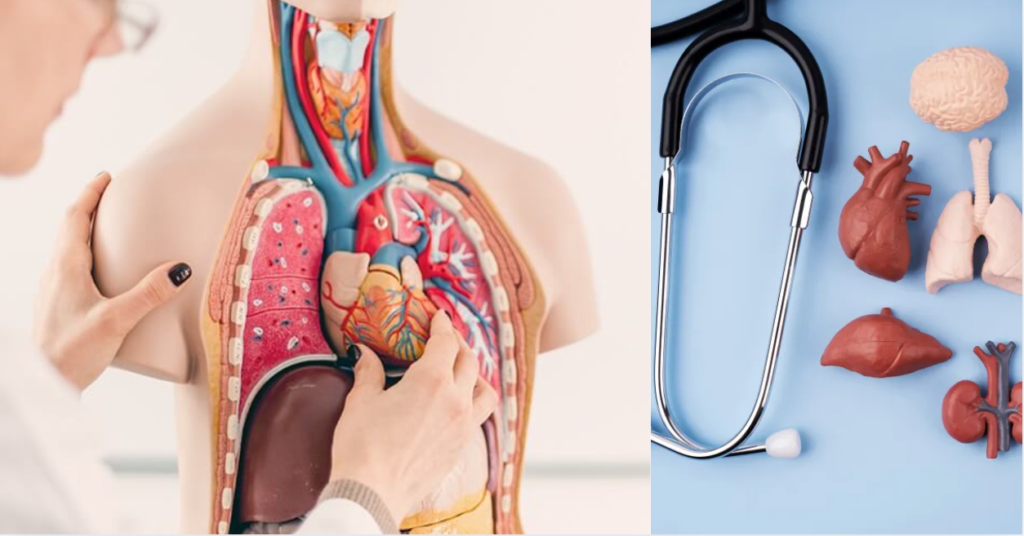
Understanding Your Body’s Organs: The Foundation
Before diving into care strategies, it’s essential to understand the organs themselves and their unique functions. Building awareness helps you take targeted actions that truly support health.
The Heart: Your Lifeline
The heart pumps oxygen-rich blood throughout the body. A strong cardiovascular system is critical for energy, stamina, and organ function. Supporting heart health reduces the risk of hypertension, heart disease, and stroke.
The Liver: Detox Center
Your liver filters toxins, processes nutrients, and helps regulate metabolism. Maintaining liver health ensures proper digestion, energy balance, and hormonal harmony.
The Kidneys: Filtration Experts
Kidneys remove waste, regulate fluid levels, and balance electrolytes. Healthy kidneys prevent fluid retention, high blood pressure, and kidney disease.
Digestive Organs: Fueling the Body
Stomach, intestines, and pancreas work together to break down food, absorb nutrients, and maintain gut microbiome balance. A healthy digestive system supports immunity, mental clarity, and energy.
Lungs and Brain: Vital Connections
Lungs deliver oxygen, while the brain orchestrates body functions. Supporting respiratory and cognitive health enhances overall vitality and quality of life.
Step-by-Step Core Methods to Nurture Your Organs
Taking care of your organs requires consistent habits, nutrition, and lifestyle adjustments. Here’s a practical roadmap.
Nutrition for Organ Health
- Heart: Incorporate leafy greens, berries, and omega-3-rich foods like salmon and walnuts. Limit processed foods and excess salt.
- Liver: Eat cruciferous vegetables, garlic, and citrus fruits. Reduce alcohol and high-fat meals.
- Kidneys: Stay hydrated, eat potassium-rich foods like sweet potatoes, and avoid excessive sodium.
- Digestive System: Include fiber-rich fruits, vegetables, and probiotics to support gut microbiota.
- Lungs: Antioxidant-rich foods like carrots, tomatoes, and leafy greens help fight oxidative stress.
- Brain: Consume foods high in DHA, antioxidants, and B vitamins, such as fatty fish, eggs, and nuts.
Daily Lifestyle Practices
- Hydration: Adequate water intake supports kidney filtration, liver detox, and digestive efficiency.
- Exercise: Cardiovascular exercise strengthens the heart, lungs, and circulation. Strength training supports metabolism.
- Sleep: Restorative sleep allows organs to repair and regenerate.
- Stress Management: Meditation, deep breathing, or yoga reduces cortisol levels, benefiting heart, liver, and brain health.
Timing and Planning
Implement habits gradually, starting with hydration and diet adjustments, then integrating exercise and mindfulness routines. Consistency beats intensity when it comes to organ health.
Advanced Strategies and Pro Tips
Once basic habits are established, consider these advanced techniques for optimal organ support.
Detox Naturally
- Liver: Periodic fasting or plant-based meals can reduce toxin load.
- Kidneys: Herbal teas like dandelion or nettle may support kidney function.
- Digestive System: Gentle fiber cleanses promote microbiome balance.
Personalized Nutrition
Track nutrient intake with apps or work with a dietitian to ensure essential vitamins and minerals support organ function. Omega-3s, magnesium, and antioxidants play key roles in cellular repair.
Innovative Exercise Approaches
- Heart and Lungs: High-Intensity Interval Training (HIIT) boosts cardiovascular efficiency.
- Brain: Combine physical activity with cognitive tasks, such as dance routines or sports that require strategy.
Troubleshooting Common Challenges
Even with the best intentions, obstacles arise. Here’s how to overcome them.
Low Energy or Fatigue
Could indicate nutrient deficiencies or organ stress. Ensure iron, B12, and hydration are adequate. Consult a professional if fatigue persists.
Digestive Issues
Constipation, bloating, or irregularity can signal gut imbalance. Introduce probiotics, fiber, and regular meal timing.
Stress-Related Organ Strain
High cortisol affects heart, liver, and kidneys. Practice stress-reduction techniques daily, such as deep breathing or mindfulness exercises.
Preventive Measures
- Regular health screenings for heart, liver, kidney, and blood sugar levels.
- Limit exposure to toxins, including alcohol, processed foods, and environmental pollutants.
- Maintain a healthy weight to reduce organ strain.
Maximizing Results: Long-Term Organ Care
To build on foundational habits, integrate these strategies for sustained organ health:
- Routine Check-Ups: Regular blood tests, ultrasounds, and screenings detect issues early.
- Seasonal Nutrition: Adapt your diet to seasonal produce for optimal nutrient intake.
- Lifestyle Integration: Make organ-friendly choices convenient: prep meals, schedule workouts, and prioritize sleep.
- Education: Stay informed about new research on organ health and wellness strategies.
By committing to these long-term practices, your organs can function optimally for decades, enhancing vitality, resilience, and quality of life.
Conclusion
Taking care of your body’s organs is one of the most empowering steps you can take for your health. From heart and liver to kidneys, lungs, brain, and digestive system, consistent attention to nutrition, exercise, hydration, and stress management can prevent disease, boost energy, and improve longevity. Start with small, manageable habits and gradually integrate advanced strategies for maximum results.
Your body deserves the best care. Commit today to nurturing your organs, stay informed, and celebrate the transformative benefits of a healthy, resilient system. You have the power to protect and optimize your vital organs for a vibrant, energized life.
Important Disclaimer: This article is for informational purposes only and should not replace professional advice. For health-related topics, consult healthcare providers. Individual results may vary, and personal circumstances should always be considered when implementing any suggestions.