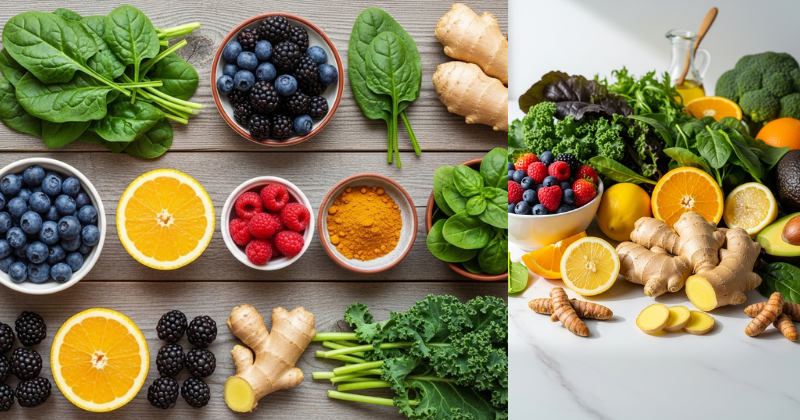
Feeling bloated, tired, or foggy? Discover how anti-inflammatory foods for detox can help your body reset naturally, reduce inflammation, and boost energy fast.
If you have been feeling sluggish, puffy, or simply “off,” you are not alone. Modern life exposes you to stress, processed foods, and environmental toxins every single day. The good news? Your body already has powerful detox systems built in. When you fuel it with the right anti-inflammatory foods for detox, you support your liver, gut, and immune system in doing their job better.
In this guide, you will discover how to use anti-inflammatory foods for detox in a safe, sustainable way. No extreme cleanses. No starvation. Just real food, real science, and real results you can maintain long-term.
Why Anti-Inflammatory Foods for Detox Matter
Before you jump into a detox plan, it is important to understand what is really happening inside your body.
Inflammation is your body’s natural defense response. Short-term inflammation helps you heal. But chronic inflammation — often caused by ultra-processed foods, excess sugar, poor sleep, and stress — can leave you feeling drained and inflamed.
Anti-inflammatory foods for detox work by:
- Supporting liver function
- Reducing oxidative stress
- Improving gut health
- Balancing blood sugar
- Enhancing natural detox pathways
According to research published in journals like Nutrients and The American Journal of Clinical Nutrition, diets rich in fruits, vegetables, whole grains, and healthy fats are strongly linked to lower inflammation markers.
What Does “Detox” Really Mean?
Detox does not mean juice-only cleanses or expensive supplements. Your body detoxifies itself every day through:
- The liver
- The kidneys
- The digestive system
- The lymphatic system
- The skin
When you eat anti-inflammatory foods for detox, you simply support these systems so they can work efficiently.
Signs You May Benefit from an Anti-Inflammatory Detox Approach
You might notice:
- Persistent bloating
- Low energy
- Frequent headaches
- Brain fog
- Sugar cravings
- Joint discomfort
If this sounds familiar, focusing on anti-inflammatory foods for detox could help you feel lighter and more energized.
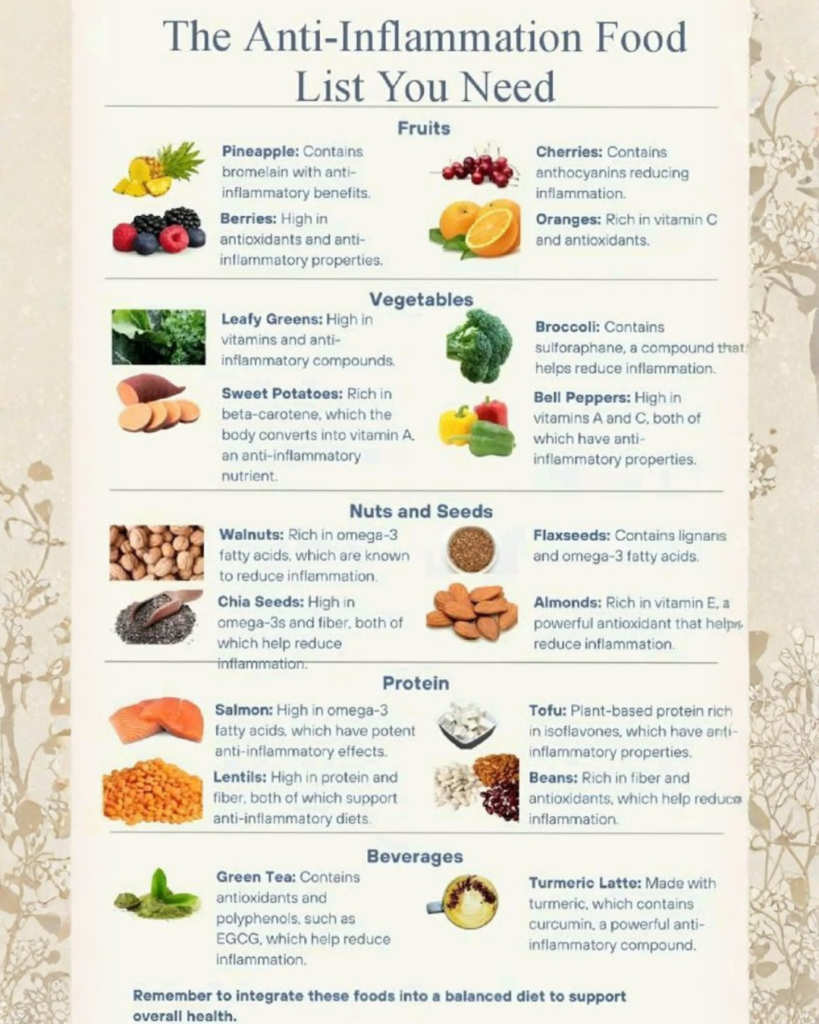
Core Anti-Inflammatory Foods for Detox
Now let’s break down the most powerful foods you can start adding today.
Leafy Greens and Cruciferous Vegetables
Spinach, kale, arugula, broccoli, cauliflower, and Brussels sprouts are detox powerhouses.
They contain:
- Fiber to support digestion
- Antioxidants to reduce inflammation
- Sulforaphane (especially in broccoli) to support liver detox enzymes
Try adding a large handful of greens to smoothies, soups, or salads daily.
Berries and Citrus Fruits
Blueberries, strawberries, raspberries, lemons, and oranges are rich in vitamin C and polyphenols.
These nutrients:
- Combat oxidative stress
- Support immune health
- Aid natural detox processes
Start your day with warm lemon water or add berries to oatmeal.
Healthy Fats
Anti-inflammatory foods for detox must include healthy fats such as:
- Extra virgin olive oil
- Avocados
- Chia seeds
- Flaxseeds
- Walnuts
Omega-3 fatty acids help calm inflammation and support cell repair.
Herbs and Spices
Turmeric, ginger, garlic, and cinnamon are small but mighty.
Turmeric
Contains curcumin, known for strong anti-inflammatory effects. Pair with black pepper for better absorption.
Ginger
Supports digestion and reduces nausea and bloating.
Garlic
Enhances liver enzyme activity and immune response.
Adding these to meals daily can significantly boost your detox-friendly eating pattern.
Step-by-Step: How to Start an Anti-Inflammatory Detox Plan
You do not need to overhaul your life overnight. Sustainable change wins every time.
Step 1: Remove Inflammatory Triggers
Start by reducing:
- Processed foods
- Refined sugar
- Excess alcohol
- Deep-fried foods
- Sugary beverages
Even cutting back gradually makes a difference.
Step 2: Focus on Whole, Colorful Meals
Build your plate like this:
- ½ vegetables
- ¼ lean protein (fish, legumes, eggs)
- ¼ whole grains (quinoa, brown rice)
- Add healthy fats
Color equals nutrients. The more colors, the better.
Step 3: Hydrate Intentionally
Water helps your kidneys flush waste effectively.
Aim for:
- 6–8 glasses daily
- Herbal teas like green tea or dandelion tea
- Infused water with cucumber or lemon
Hydration is one of the simplest anti-inflammatory detox strategies.
Advanced Strategies to Boost Results
Once you master the basics, you can elevate your approach.
Support Gut Health
A healthy gut reduces inflammation dramatically.
Add:
- Fermented foods (yogurt, kefir, sauerkraut)
- Prebiotic fibers (onions, garlic, asparagus)
You may also want to explore topics like “best probiotics for gut health” or “high-fiber meal plans for digestion” for deeper learning.
Prioritize Sleep and Stress Management
Chronic stress increases inflammatory hormones like cortisol.
Support your detox journey with:
- 7–9 hours of sleep
- Gentle movement like walking or yoga
- Deep breathing exercises
For more guidance, consider reading about “natural ways to reduce cortisol levels.”
Consider Intermittent Fasting (If Appropriate)
Some studies suggest time-restricted eating may support metabolic health and inflammation reduction. However, it is not for everyone.
Listen to your body. Sustainable habits matter more than trends.
Common Mistakes and How to Avoid Them
Even with the best intentions, people often make these detox mistakes.
Going Too Extreme
Severe calorie restriction can stress your body and slow metabolism. Anti-inflammatory foods for detox should nourish, not deprive.
Expecting Instant Results
You might feel lighter in a few days, but deeper benefits take weeks. Consistency builds real transformation.
Ignoring Protein
Protein supports liver detox pathways and muscle maintenance. Do not rely on vegetables alone.
Overlooking Hidden Sugars
Check labels. Sauces, dressings, and “healthy” snacks can hide added sugar that fuels inflammation.
How to Maximize Long-Term Detox Benefits
Detox is not a 7-day challenge. It is a lifestyle upgrade.
Make It a Weekly Rhythm
Instead of extreme cleanses, try:
- 80/20 balanced eating
- One plant-forward day per week
- Sunday meal prep for anti-inflammatory lunches
Rotate Your Foods
Diversity supports a diverse gut microbiome. Switch up vegetables, grains, and proteins regularly.
Combine with Movement
Exercise improves circulation and lymphatic flow. Even 20–30 minutes of brisk walking daily enhances detox efficiency.
You may also explore related topics like:
- Anti-inflammatory meal prep ideas
- Natural liver support foods
- Best smoothies for detox and energy
- Foods that reduce bloating naturally
These internal linking opportunities strengthen your long-term wellness plan.
Frequently Asked Question: Do Anti-Inflammatory Foods Really Detox the Body?
Yes — but not in the way marketing often suggests.
Anti-inflammatory foods for detox do not “flush toxins” overnight. Instead, they:
- Support liver enzymes
- Reduce chronic inflammation
- Improve digestion
- Enhance kidney function
- Provide antioxidants that neutralize free radicals
Your body already detoxifies itself. These foods simply optimize the process.
Conclusion: You Have the Power to Reset Naturally
Choosing anti-inflammatory foods for detox is not about punishment. It is about nourishment. When you focus on whole foods, hydration, stress reduction, and balance, you unlock your body’s natural ability to heal and thrive.
Start small. Add more greens tomorrow. Swap sugary snacks for berries. Drink more water. These simple shifts compound into powerful results.
You do not need extreme cleanses. You need consistency, intention, and confidence in your body’s design. Begin today, and let your energy, clarity, and vitality transform from the inside out.
Important Disclaimer: This article is for informational purposes only and should not replace professional advice. For health-related topics, consult healthcare providers. For financial or legal matters, seek qualified professional guidance. For safety procedures, verify current best practices and local regulations. Individual results may vary, and personal circumstances should always be considered when implementing any suggestions.