Meta Description: Discover how potassium can help reduce heavy headaches, support nerve and muscle function, and improve overall health naturally and effectively.
Headaches can be more than just a temporary nuisance—they can disrupt work, sleep, and daily life. While many people focus on painkillers or caffeine to manage head pain, emerging research highlights the essential role of electrolytes, particularly potassium, in headache prevention and relief. Adequate potassium intake supports nerve signaling, balances fluid levels, and stabilizes blood pressure, all of which contribute to reducing the frequency and severity of heavy headaches.
Most individuals do not realize how subtle electrolyte imbalances can affect neurological function. Low potassium levels, or hypokalemia, may exacerbate migraine triggers, tension headaches, and even cluster headaches. By understanding potassium’s impact on vascular tone, nerve function, and fluid balance, you can take actionable steps to improve head health naturally. This article explores the science behind potassium and headaches, practical dietary strategies, and holistic approaches to minimize pain and enhance overall well-being.
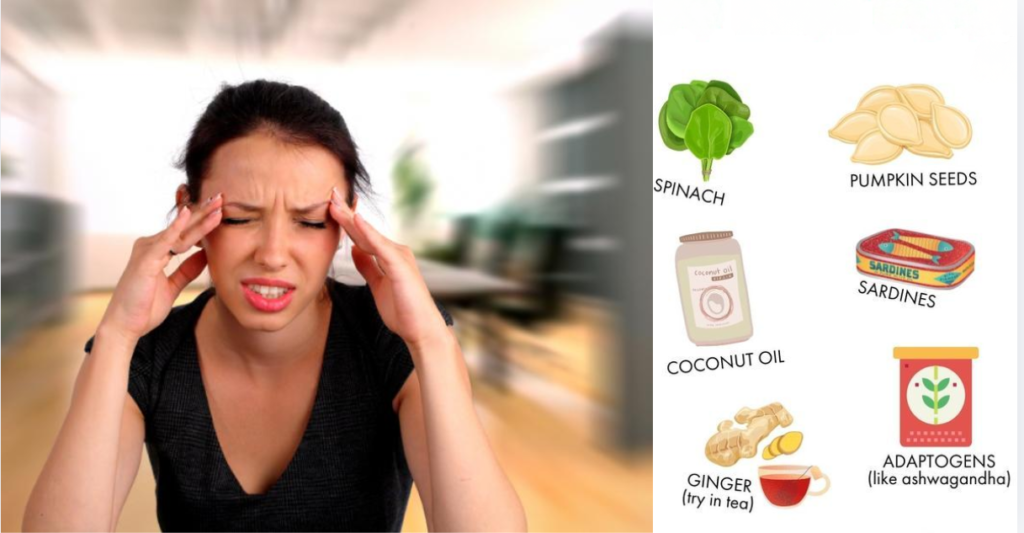
Understanding Potassium and Its Role in the Body
Potassium is a vital mineral and electrolyte essential for maintaining cellular function, fluid balance, and nerve transmission.
H3: How Potassium Supports Nerve Function
Nerve cells rely on potassium gradients to transmit signals effectively. Low potassium can cause hyperexcitability in neurons, leading to headache triggers. Ensuring adequate potassium helps stabilize electrical activity in the brain, potentially reducing headache intensity.
H3: Fluid Balance and Blood Pressure
Potassium works in concert with sodium to regulate blood pressure. High sodium intake combined with low potassium can increase vascular tension, constrict blood vessels, and contribute to headache onset. Proper potassium intake encourages vasodilation and healthy circulation, easing pressure-related headaches.
H3: Muscle Function
Headaches are sometimes exacerbated by tension in neck and shoulder muscles. Potassium aids muscle relaxation, preventing stiffness and tension that may worsen cranial pain.
Common Causes of Potassium Deficiency
Even mild deficiency can affect headache susceptibility. Factors include:
- Dietary imbalances: Low consumption of fruits, vegetables, and legumes
- Excessive sweating: During exercise or hot weather
- Diuretic use: Certain medications may deplete potassium
- Digestive losses: Vomiting or diarrhea
Understanding these causes helps target strategies for headache prevention through dietary adjustments and supplementation if necessary.
Potassium-Rich Foods to Combat Headaches
A natural approach involves incorporating potassium-dense foods into daily meals.
H3: Fruits
- Bananas: Classic potassium source
- Avocados: Rich in healthy fats and electrolytes
- Oranges and cantaloupes: Hydrating and potassium-rich
H3: Vegetables and Legumes
- Spinach and Swiss chard
- Sweet potatoes
- Lentils and beans
H3: Other Sources
- Yogurt and milk
- Nuts and seeds
- Salmon and other fish
Regular intake of these foods supports electrolyte balance, reduces vascular stress, and may decrease headache frequency.
How Potassium Helps Prevent Headaches
Potassium influences headaches through several mechanisms:
- Stabilizing nerve excitability: Prevents sudden neuronal firing that triggers migraines
- Reducing vascular tension: Maintains healthy blood pressure and vessel flexibility
- Enhancing hydration: Potassium draws water into cells, preventing dehydration-linked headaches
Scientific studies suggest that individuals with diets higher in potassium report fewer headaches and less severe migraine episodes, highlighting its preventative potential.
Integrating Potassium into Daily Life
Practical steps can help ensure consistent potassium intake.
H3: Meal Planning
- Include at least one high-potassium fruit or vegetable per meal
- Replace refined snacks with nuts or seeds
- Use leafy greens as side dishes or in smoothies
H3: Hydration
- Combine electrolyte-rich foods with adequate water intake
- Consider natural drinks like coconut water for potassium replenishment
H3: Monitoring Intake
- Recommended daily intake for adults: ~2,500–3,000 mg
- Track dietary sources or consult a nutritionist for personalized guidance
Consistency is key—gradual, sustained intake yields better results than occasional spikes.
Potential Challenges and Considerations
While potassium is essential, overconsumption can be harmful, particularly in individuals with kidney disease.
- Symptoms of excess potassium: Irregular heartbeat, muscle weakness, nausea
- Balanced approach: Focus on whole-food sources rather than excessive supplementation
- Professional consultation: Discuss with a healthcare provider if you have kidney issues or take potassium-sparing medications
Addressing lifestyle factors, like limiting sodium and staying hydrated, complements potassium’s benefits.
Combining Potassium with Holistic Headache Strategies
Potassium works best when integrated into a broader approach to headache management:
- Regular exercise: Improves circulation and reduces tension headaches
- Stress reduction: Meditation, deep breathing, and yoga lower cortisol and vascular tension
- Sleep hygiene: Consistent sleep patterns prevent neurological triggers
- Tracking triggers: Food, hydration, and environmental factors
By combining dietary potassium with lifestyle interventions, you create a resilient framework for headache prevention.
Maximizing Results and Long-Term Benefits
- Consistent Dietary Patterns: Focus on whole, nutrient-rich foods daily
- Lifestyle Integration: Exercise, hydration, and stress management enhance outcomes
- Periodic Review: Track headache frequency and dietary habits to refine strategies
- Professional Support: Work with nutritionists or doctors to optimize potassium intake safely
Adopting these strategies can reduce the intensity and frequency of headaches, improve energy levels, and support overall neurological and vascular health.
Conclusion
Heavy headaches are often a sign of underlying imbalances in electrolytes and vascular function. Potassium, an essential mineral, plays a critical role in nerve signaling, blood pressure regulation, and muscle relaxation—key factors in headache prevention. By incorporating potassium-rich foods, maintaining hydration, and adopting a holistic lifestyle, you can naturally reduce headache frequency and severity. Taking control of your diet and lifestyle empowers you to beat heavy headaches, feel more energized, and improve your overall quality of life. Start today, and discover the difference that balanced electrolytes can make.
Internal Linking Opportunities:
- Learn [Foods to Reduce Inflammation Naturally]
- Explore [Hydration Strategies for Optimal Health]
- Discover [Migraine Prevention Techniques That Work]
- Check [The Role of Electrolytes in Muscle and Nerve Function]
- Read [Stress Management Tips for Headache Relief]
Disclaimer:
Important Disclaimer: This article is for informational purposes only and should not replace professional advice. For health-related topics, consult healthcare providers. Individual results may vary, and personal circumstances should always be considered when implementing any suggestions.