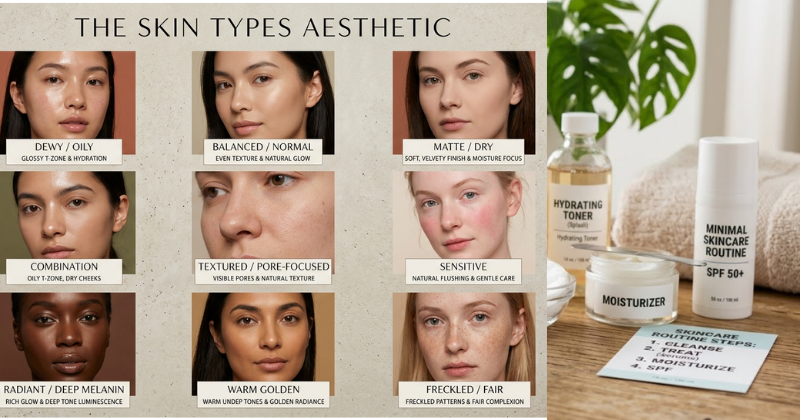
Discover the best ingredients for every skin type to transform your complexion. Learn how to use Salicylic Acid, Hyaluronic Acid, and Vitamin C for glowing skin today!
Have you ever walked down the skincare aisle and felt completely overwhelmed by the rows of sleek bottles promising “miracles in a jar”? We have all been there, squinting at complex labels and wondering if a product will actually work or just cause a breakout. Skincare isn’t one-size-fits-all, but once you unlock the secret of matching your unique biology with the right bioactive components, everything changes. By understanding the Best Ingredients for Every Skin Type (Oily, Acne-Prone, Dry & More), you can stop the guesswork and start seeing real, radiant results.
In this comprehensive guide, we are going to dive deep into the science of dermatological health. You will learn which specific acids, vitamins, and botanical extracts are essential for your unique concerns. Whether you are battling stubborn shine, dealing with persistent dry patches, or trying to calm reactive redness, this article offers a clear, achievable path to your best skin yet. Get ready to feel empowered as you discover how to build a routine that truly delivers. You have the capability to achieve that healthy, effortless glow—let’s get started!
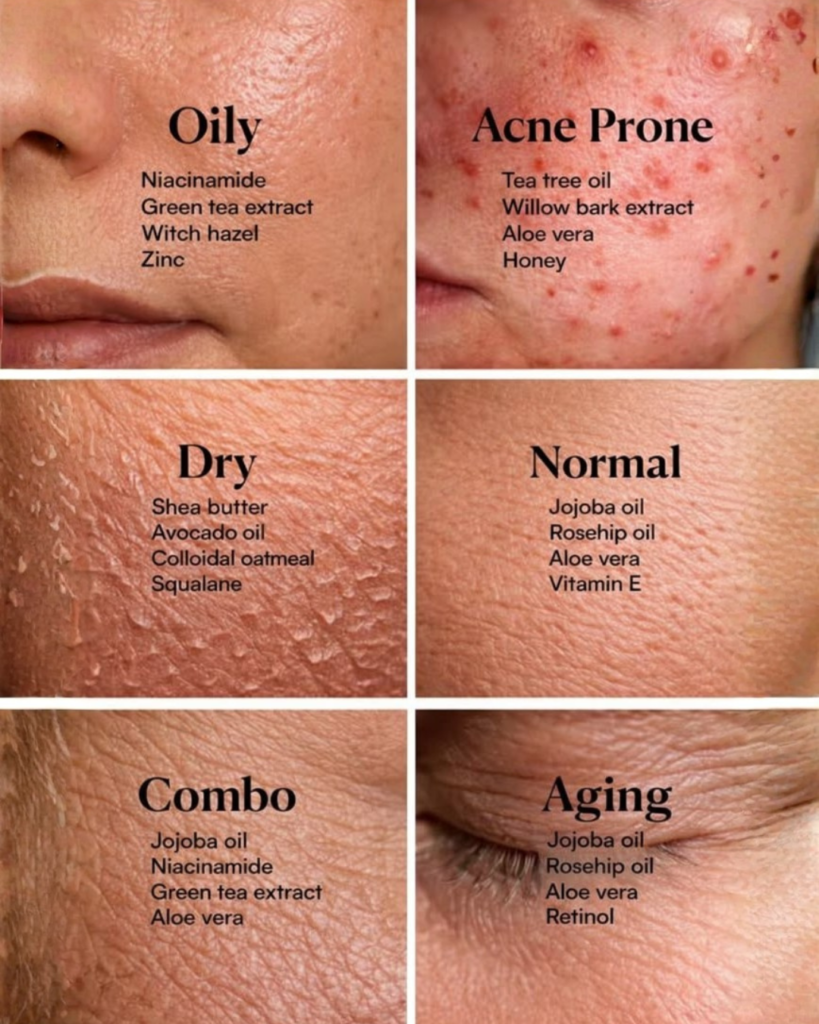
Foundation: Building Confidence in Skincare Basics
Before you start mixing and matching, it is vital to build confidence in the basic concepts of skin health. Your skin is your body’s largest organ, and its main job is to act as a barrier. When we talk about the Best Ingredients for Every Skin Type, we are looking for tools that support this barrier rather than stripping it away.
Identifying Your Unique Profile
The first step is knowing what you are working with. Do you feel tight after washing (Dry)? Do you see visible pores and shine by midday (Oily)? Or perhaps you experience a bit of both in the T-zone (Combination)? If you have recently read our guide on [The Truth About Waist Fat (What Actually Works)], you know that internal health affects your external appearance. Similarly, understanding your skin’s baseline helps you choose ingredients that balance rather than irritate.
Addressing Common Concerns
A frequent hesitation for beginners is the fear of “chemical” ingredients. However, terms like “Hyaluronic Acid” might sound intimidating, but it is actually a substance your body produces naturally to hold onto moisture. By focusing on gradual progress and non-judgmental self-care, you can introduce these actives safely. Reassurance lies in the fact that modern skincare is highly researched and safer than ever when used correctly.
Key Components for Skin Health
- Humectants: Magnets for moisture (like Glycerin).
- Emollients: Smoothers that fill in gaps between skin cells (like Ceramides).
- Occlusives: Barriers that lock everything in (like Shea Butter).
Step-by-Step: The Core Ingredients for Your Type
Navigating the world of actives is easier when you break it down by skin concern. Here is a clear, actionable guide to the “hero” ingredients you should look for in your products.
1. For Oily and Acne-Prone Skin
What is the best ingredient for clearing clogged pores?
Salicylic Acid (a Beta Hydroxy Acid or BHA) is the gold standard. Because it is oil-soluble, it can travel deep into the pore to dissolve the “glue” that holds dead skin cells and sebum together.
- The Method: Look for a 2% Salicylic Acid cleanser or toner.
- Complementary Ingredient: Niacinamide (Vitamin B3) is incredible for regulating oil production and shrinking the appearance of enlarged pores.
2. For Dry and Dehydrated Skin
Dry skin lacks oil, while dehydrated skin lacks water. Hyaluronic Acid is the ultimate solution for both because it can hold 1,000 times its weight in water.
- Actionable Tip: Always apply Hyaluronic Acid to damp skin! If you apply it to a dry face in a dry room, it can actually pull moisture out of your skin.
- Pro Shortcut: Layer a Ceramide-rich cream over your serum to repair the moisture barrier.
3. For Sensitive and Reactive Skin
If your skin gets red or itchy easily, you need soothing agents. Centella Asiatica (Cica) and Panthenol (Pro-vitamin B5) are fantastic for calming inflammation. If you are already utilizing [Natural Home Remedies for Treating Colds and Flu], you know the power of botanical healing; Cica works similarly to soothe the “stress” of your skin.
Advanced Strategies: Pro Tips for Maximizing Results
Once you have mastered the basics of the Best Ingredients for Every Skin Type, you can share in expert-level insights to take your routine to the next level.
The Art of Vitamin C
Vitamin C is a powerful antioxidant that brightens skin and protects against environmental damage. However, it is notoriously unstable.
- Expert Insight: Look for “L-Ascorbic Acid” in opaque, airtight packaging. Apply it in the morning to boost the efficacy of your sunscreen.
- Customization: If you have sensitive skin, try a gentler derivative like Sodium Ascorbyl Phosphate.
Understanding Retinoids
Retinol is the “holy grail” for aging and texture, but it requires a strategic approach. Start with a low percentage (0.025% or 0.1%) and use it only twice a week at night. This gradual introduction prevents the “retinol burn” and allows your skin to adapt. This long-term mindset is similar to the approach in [Most Americans don’t get enough daily fiber — and your gut feels it.]; consistency beats intensity every time.
Creative Solutions: Multi-Masking
If you have combination skin, you don’t have to treat your whole face the same way. Use a Kaolin clay mask on your oily forehead and nose, and a hydrating honey mask on your dry cheeks. This experimentation allows for a personal adaptation of your skincare.
Troubleshooting: Common Skincare Challenges
Obstacles are a natural part of the “glow-up” journey. Here is how to handle frequent setbacks with encouraging, solution-oriented advice.
“My skin is purging after using a new active.”
- The Solution: If you see small bumps in areas where you usually break out, it might be a purge (speeding up cell turnover). Stick with it for 4–6 weeks. If you are breaking out in new places, it is likely a reaction, and you should stop the product.
“My moisturizer is pilling (rolling off in little balls).”
- The Solution: This usually happens when you layer water-based and oil-based products in the wrong order. Remember the “Thin to Thick” rule: apply watery serums first, then gels, then heavy oils or creams.
“I’m using all the right ingredients but seeing no change.”
- The Preventive Measure: Check your lifestyle. If you aren’t getting [Better Sleep Naturally: 8 Habits That Actually Work], your skin doesn’t have the downtime it needs to repair itself. Skin cells regenerate most effectively while you sleep!
Maximizing Results: The Holistic Skin Plan
Building upon your topical success means looking at the bigger picture. Your skin is a reflection of your internal wellness and environmental factors.
Complementary Strategies
Skincare doesn’t stop at the chin. Incorporate a [DIY SOOTHING ECZEMA CREAM] for dry patches on your body, and don’t forget that [red, green, and yellow apples support your bones] and provide antioxidants that protect your skin from the inside out.
Sun Protection: The Non-Negotiable
You can use all the best ingredients in the world, but without SPF, the sun will undo all your hard work. UV rays break down collagen and darken acne scars. Think of sunscreen as the “seal” that protects your skincare investment.
Maintenance and Long-Term Goals
Skin cycles take about 28 to 40 days. Be patient! Success isn’t measured by a single night’s results, but by the health of your skin six months from now. Inspire yourself by taking “before” photos and celebrating the gradual shift in your skin’s texture and tone.
Conclusion
Finding the Best Ingredients for Every Skin Type (Oily, Acne-Prone, Dry & More) is an empowering journey toward self-confidence. You have discovered that whether it’s the pore-clearing power of Salicylic Acid or the deep hydration of Hyaluronic Acid, there is a scientific solution for every concern. By choosing targeted actives and maintaining a consistent, supportive routine, you are achieving more than just “good skin”—you are nurturing your body’s vital barrier.
You have the capability to succeed and transform your complexion. Start by introducing one new “hero” ingredient this week and listen to how your skin responds. Remember, skincare is a form of self-care, and you deserve to feel comfortable and radiant in your own skin. Unlock your glow and achieve the results you’ve always wanted!
Would you like me to create a “Skincare Routine Builder” template to help you organize your morning and evening steps?
Important Disclaimer: This article is for informational purposes only and should not replace professional advice. For health-related topics, consult healthcare providers. For financial or legal matters, seek qualified professional guidance. For safety procedures, verify current best practices and local regulations. Individual results may vary, and personal circumstances should always be considered when implementing any suggestions.