
Your body operates sophisticated cleansing mechanisms every moment, orchestrating elegant biochemical processes that eliminate toxins, metabolic waste, and cellular debris without conscious effort. These intrinsic detoxification systems—operating continuously through your liver, kidneys, lymphatic network, and cellular machinery—represent evolutionary masterpieces refined across millions of years to maintain internal equilibrium and protect against environmental challenges.
Understanding your body’s secret cleansing processes empowers you to support these natural systems through evidence-based lifestyle approaches rather than relying on restrictive “detox” protocols lacking scientific foundation. This article illuminates the remarkable physiological mechanisms underlying your body’s self-cleansing capacities, revealing how you can optimize these innate processes through nutrition, hydration, movement, and sleep—transforming your relationship with detoxification from temporary interventions to sustainable wellness practices.
The Sophisticated Architecture of Your Body’s Detoxification Systems
Your body employs multiple integrated cleansing systems working synergistically to neutralize and eliminate potentially harmful substances. These mechanisms operate at molecular, cellular, and organ-system levels, creating redundant safeguards that ensure continuous purification.
Hepatic Detoxification: Your Metabolic Processing Center
Your liver serves as the primary detoxification organ, processing virtually everything absorbed from your digestive tract before it enters systemic circulation. This remarkable organ contains specialized hepatocytes equipped with enzymatic machinery capable of transforming lipophilic (fat-soluble) toxins into hydrophilic (water-soluble) compounds suitable for elimination.
The hepatic detoxification process unfolds in three distinct phases, each employing different biochemical strategies. Phase I biotransformation utilizes cytochrome P450 enzymes—a superfamily of hemoproteins that catalyze oxidation, reduction, and hydrolysis reactions. These enzymes modify toxins by adding or exposing functional groups, preparing compounds for subsequent processing. While Phase I reactions make some compounds less toxic, they can paradoxically create reactive intermediates more dangerous than the original substances, necessitating rapid Phase II processing.
Phase II conjugation reactions attach small molecules—glutathione, sulfate groups, glucuronic acid, or amino acids—to Phase I products, dramatically increasing water solubility and reducing toxicity. This conjugation employs transferase enzymes with remarkable substrate specificity, ensuring appropriate processing of diverse chemical structures. The resulting conjugates achieve sufficient hydrophilicity for elimination through bile or urine.
Phase III transport involves ATP-binding cassette transporters and other membrane proteins that actively pump conjugated metabolites out of hepatocytes into bile canaliculi or blood for elimination. This active transport prevents toxic accumulation within liver cells while directing waste products toward appropriate excretory pathways.
Renal Filtration: Your Precision Waste Management System
Your kidneys perform extraordinary filtration work, processing approximately 180 liters of blood daily through their million nephrons—the functional units responsible for waste removal and fluid balance. Each nephron contains a glomerulus, where blood pressure drives plasma ultrafiltration across specialized membranes, separating waste products from essential nutrients.
The glomerular filtration barrier demonstrates remarkable selectivity, allowing passage of water, electrolytes, glucose, amino acids, and small waste molecules while retaining blood cells and large proteins. This size-selective permeability reflects the basement membrane’s structure and the unique architecture of podocytes—specialized epithelial cells with interdigitating foot processes creating filtration slits.
Beyond filtration, your tubular epithelium actively secretes additional wastes into the forming urine while simultaneously reabsorbing valuable nutrients, minerals, and water back into circulation. This bidirectional transport creates concentrated urine containing metabolic waste products—urea, creatinine, uric acid, and toxin metabolites—while conserving resources essential for physiological function.
The Lymphatic System: Your Cellular Waste Collection Network
Your lymphatic system operates as a parallel circulatory network specialized for waste removal from interstitial spaces—the fluid-filled gaps between cells where metabolic byproducts accumulate. Unlike blood circulation driven by cardiac pumping, lymph moves through rhythmic vessel contractions, skeletal muscle compression during movement, and respiratory pressure changes.
Lymphatic vessels collect protein-rich fluid, cellular debris, pathogens, and large molecules that cannot enter blood capillaries directly. This fluid travels through lymph nodes—strategic filtering stations containing immune cells that survey lymph contents, removing microorganisms and abnormal cells while mounting immune responses when necessary.
The lymphatic system connects intimately with your digestive tract through lacteals—specialized lymphatic vessels in intestinal villi that absorb dietary fats and fat-soluble vitamins. This pathway allows lipophilic nutrients and toxins to bypass immediate hepatic processing, highlighting the importance of robust lymphatic function for overall detoxification capacity.
How Your Cellular Machinery Maintains Internal Cleanliness
Beyond organ-level detoxification, your cells employ sophisticated quality control mechanisms ensuring internal cleanliness and optimal function. These cellular processes represent your body’s most fundamental cleansing operations, occurring continuously in every tissue.
Autophagy: Your Cellular Recycling Program
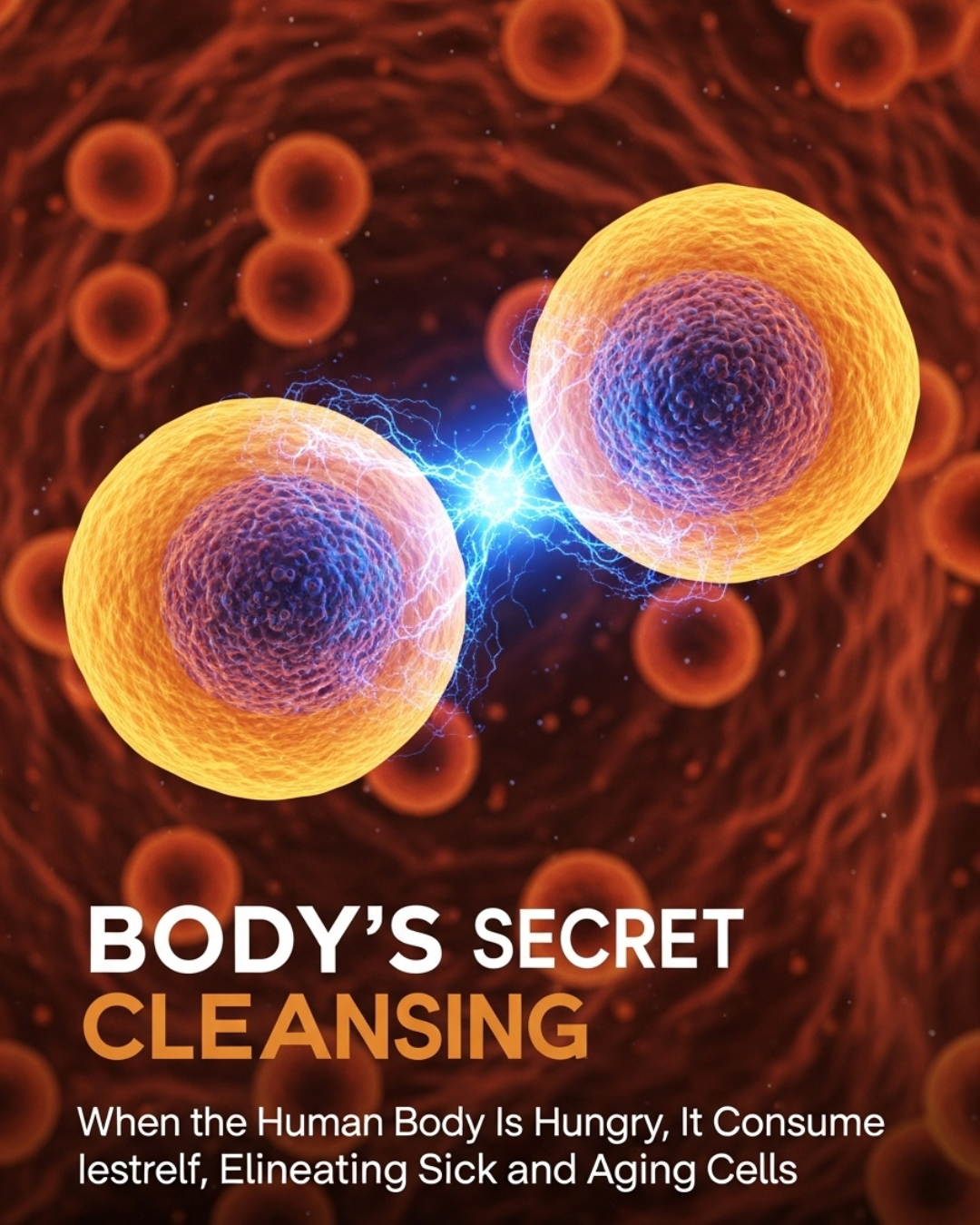
Autophagy—literally “self-eating”—describes the process whereby cells systematically dismantle and recycle damaged organelles, misfolded proteins, and other cellular components. This remarkable mechanism serves dual purposes: eliminating potentially toxic cellular debris while recovering amino acids and other building blocks for new synthesis.
The autophagic process begins when isolation membranes called phagophores engulf target structures, forming double-membrane vesicles termed autophagosomes. These vesicles then fuse with lysosomes—organelles containing powerful digestive enzymes—creating autolysosomes where enzymatic degradation occurs. The resulting molecular components return to the cytoplasm for reuse in biosynthetic pathways.
Autophagy operates continuously at baseline levels but dramatically increases during cellular stress—nutrient deprivation, hypoxia, oxidative stress, or protein aggregation. This adaptive response explains why intermittent fasting, exercise, and sleep enhance cellular cleansing: these conditions activate autophagic pathways, accelerating removal of accumulated cellular debris.
Research demonstrates that autophagy declines with aging, contributing to cellular senescence and age-related disease accumulation. Conversely, interventions enhancing autophagy—caloric restriction, time-restricted eating, exercise, and certain phytonutrients—show promise for extending healthspan and reducing chronic disease risk.
The Ubiquitin-Proteasome System: Targeted Protein Degradation
Your cells employ another precision cleansing mechanism for eliminating specific proteins: the ubiquitin-proteasome system. This pathway tags damaged, misfolded, or no-longer-needed proteins with ubiquitin—a small regulatory protein that serves as a molecular “kiss of death” marking proteins for destruction.
Ubiquitin-tagged proteins travel to proteasomes—large protein complexes functioning as cellular “shredders” that unfold and cleave proteins into constituent amino acids. This highly selective system ensures rapid turnover of regulatory proteins while eliminating potentially toxic protein aggregates that accumulate in neurodegenerative diseases.
The ubiquitin-proteasome system demonstrates remarkable specificity through E3 ubiquitin ligases—enzymes that recognize specific substrate proteins based on structural features or cellular localization. This selectivity allows cells to regulate protein levels with exquisite precision, maintaining optimal concentrations for metabolic demands while quickly eliminating abnormal proteins.
Mitochondrial Quality Control and Mitophagy
Your mitochondria—the powerhouses generating cellular energy—require specialized quality control mechanisms due to their critical functions and vulnerability to oxidative damage. Damaged mitochondria produce excessive reactive oxygen species while failing to generate adequate ATP, creating cellular dysfunction if not eliminated.
Mitophagy represents selective autophagy targeting dysfunctional mitochondria for degradation. This process begins when damaged mitochondria lose their membrane potential, triggering accumulation of PINK1 kinase on the outer membrane. PINK1 recruits Parkin—an E3 ubiquitin ligase—which tags mitochondrial proteins with ubiquitin, attracting autophagic machinery for selective removal.
This quality control mechanism maintains a healthy mitochondrial population, crucial for energy metabolism, cellular signaling, and longevity. Impaired mitophagy contributes to neurodegenerative diseases, metabolic disorders, and aging-related functional decline, underscoring the importance of supporting this cellular cleansing process.
Supporting Your Natural Detoxification Through Nutrition
Your dietary choices profoundly influence detoxification capacity by providing substrates for conjugation reactions, antioxidants protecting against oxidative stress, and phytonutrients modulating enzymatic activity. Evidence-based nutritional strategies enhance your body’s innate cleansing without requiring restrictive detox protocols.
Cruciferous Vegetables: Enzymatic Induction and Phase II Support
Cruciferous vegetables—broccoli, cauliflower, Brussels sprouts, kale, cabbage—contain glucosinolates that your digestive system converts into bioactive compounds including sulforaphane and indole-3-carbinol. These phytonutrients powerfully induce Phase II detoxification enzymes, enhancing conjugation capacity and accelerating toxin elimination.
Sulforaphane activates the Nrf2 transcription factor, which upregulates expression of numerous cytoprotective genes including glutathione S-transferases, NAD(P)H quinone oxidoreductase, and heme oxygenase-1. This coordinated induction creates enhanced cellular defense against oxidative stress and xenobiotic toxicity. You maximize glucosinolate benefits by consuming cruciferous vegetables raw or lightly cooked—excessive heating deactivates myrosinase, the enzyme required for glucosinolate conversion.
Sulfur-Containing Foods: Glutathione Production Support
Glutathione—a tripeptide composed of glutamate, cysteine, and glycine—serves as your body’s master antioxidant and primary Phase II conjugation molecule. Maintaining adequate glutathione levels proves essential for optimal detoxification, as glutathione depletion severely compromises toxin elimination capacity.
Sulfur-containing foods support glutathione synthesis by providing cysteine—the rate-limiting amino acid in glutathione production. Excellent sources include eggs, garlic, onions, cruciferous vegetables, and high-quality animal proteins. Additionally, N-acetylcysteine supplementation directly provides cysteine precursors, effectively raising glutathione levels in individuals with deficiency.
Polyphenol-Rich Foods: Antioxidant Defense and Enzymatic Modulation
Dietary polyphenols—abundant in berries, green tea, dark chocolate, coffee, and colorful vegetables—provide multiple detoxification benefits. These compounds scavenge reactive oxygen species generated during Phase I metabolism, preventing oxidative damage to cellular structures. Additionally, specific polyphenols modulate cytochrome P450 enzyme activity, potentially reducing formation of reactive intermediates.
Quercetin, found in onions, apples, and berries, demonstrates particularly robust effects on detoxification pathways, inducing Phase II enzymes while inhibiting certain Phase I reactions that generate harmful intermediates. Green tea catechins, especially epigallocatechin gallate (EGCG), activate autophagy and mitophagy while providing direct antioxidant protection.
Adequate Protein: Amino Acid Support for Conjugation
Your Phase II conjugation reactions require adequate amino acids—glycine for conjugation pathways, taurine for bile acid conjugation, and various amino acids for glutathione synthesis. Insufficient protein intake compromises detoxification capacity by limiting substrate availability for these essential reactions.
You optimize conjugation capacity by consuming adequate high-quality protein distributed across meals—approximately 1.6-2.2 grams per kilogram body weight daily for most adults. Both animal and plant proteins support detoxification when consumed in sufficient quantities with complementary amino acid profiles.
Hydration, Movement, and Sleep: The Foundation of Natural Cleansing
Beyond nutrition, fundamental lifestyle factors profoundly influence your body’s cleansing efficiency. These interconnected elements create the physiological conditions necessary for optimal detoxification.
Strategic Hydration for Optimal Elimination
Adequate hydration maintains blood volume for effective renal filtration, ensures appropriate bile production for hepatic toxin elimination, and supports lymphatic flow for waste removal from tissues. Dehydration concentrates toxins in urine, potentially increasing bladder cancer risk, while reducing bile flow and impairing hepatic function.
You optimize hydration by consuming water throughout the day based on thirst cues, urine color (pale yellow indicates adequate hydration), and activity level. Most adults require 2-3 liters daily, with increased needs during exercise, heat exposure, or illness. Adding lemon to water provides citrate, which supports kidney stone prevention, while herbal teas contribute both hydration and beneficial phytonutrients.
Movement: Activating Lymphatic Flow and Enhancing Circulation
Physical activity enhances detoxification through multiple mechanisms. Muscular contractions compress lymphatic vessels, accelerating lymph movement and waste removal from tissues. Exercise increases blood flow to liver and kidneys, enhancing filtration rates and toxin processing. Additionally, sweating eliminates small quantities of heavy metals and organic pollutants through dermal excretion.
Regular moderate-intensity exercise—brisk walking, cycling, swimming—for 30-60 minutes most days optimally supports cleansing without generating excessive oxidative stress that could overwhelm antioxidant defenses. High-intensity interval training provides additional benefits by inducing hormetic stress responses that upregulate cellular repair mechanisms including autophagy.
Specific practices like rebounding (mini-trampoline exercise), dry brushing before showering, and yoga inversions may specifically enhance lymphatic drainage, though research evidence remains limited. These gentle practices carry minimal risk and may provide subjective benefits worth exploring.
Restorative Sleep: When Cellular Cleansing Peaks
Sleep represents your body’s primary cellular maintenance period, when autophagic activity intensifies and the glymphatic system—the brain’s waste clearance pathway—becomes maximally active. During deep sleep, cerebrospinal fluid flow increases dramatically, flushing metabolic waste products including beta-amyloid (implicated in Alzheimer’s disease) from brain tissue.
The glymphatic system operates primarily during sleep because interstitial space volume increases by approximately 60% when you sleep, allowing enhanced fluid flow and waste clearance. This explains why chronic sleep deprivation associates with accelerated cognitive decline and neurodegenerative disease risk—inadequate sleep prevents efficient brain cleansing.
You optimize sleep quality by maintaining consistent sleep-wake timing, creating a cool, dark sleeping environment, limiting evening screen time (blue light suppresses melatonin), and allowing 7-9 hours for sleep. These practices ensure adequate time for completion of cellular maintenance processes essential for long-term health.
Debunking Detox Myths While Embracing Evidence-Based Support
The commercial detox industry promotes numerous products and protocols lacking scientific support, creating confusion about genuine detoxification support. Understanding which interventions have evidence allows you to distinguish between marketing hype and legitimate health practices.
Why Juice Cleanses Aren’t Necessary (and May Be Counterproductive)
Juice cleanses—consuming only fruit and vegetable juices for days or weeks—gain popularity despite lacking scientific support for enhanced detoxification. Your liver and kidneys continuously detoxify without requiring juice-only periods. Moreover, juice cleanses provide inadequate protein for Phase II conjugation, potentially impairing rather than enhancing detoxification.
Additionally, juice cleanses eliminate fiber—crucial for binding toxins in the digestive tract and supporting beneficial gut bacteria that metabolize certain toxins. The high sugar content of many juice cleanses can promote insulin resistance and feed potentially pathogenic bacteria, disrupting gut microbiome balance.
The Limited Role of Chelation Therapy
Chelation therapy—intravenous administration of chelating agents that bind heavy metals—has legitimate medical applications for acute heavy metal poisoning. However, commercial chelation for general “detoxification” lacks evidence and carries risks including mineral depletion and kidney damage.
If you have confirmed heavy metal exposure requiring treatment, work with medical toxicologists who can appropriately prescribe and monitor chelation therapy. For general support of heavy metal elimination, focus on dietary approaches: adequate selenium, zinc, and antioxidants protect against heavy metal toxicity, while fiber and certain compounds in cilantro and chlorella may enhance excretion.
Understanding Infrared Sauna Benefits and Limitations
Infrared saunas generate claims of enhanced detoxification through increased sweating. While regular sauna use offers cardiovascular benefits and may eliminate small quantities of heavy metals and organic pollutants through sweat, the contribution to overall detoxification remains modest compared to hepatic and renal pathways.
Sauna bathing provides legitimate health benefits—improved cardiovascular function, reduced inflammation, enhanced insulin sensitivity, and potential longevity benefits—making it a valuable wellness practice. However, framing saunas primarily as detoxification tools overstates their cleansing contribution while understating their broader health effects.
Lifestyle Factors That Compromise Your Natural Cleansing Systems
Understanding behaviors that impair detoxification helps you make informed choices supporting rather than undermining your body’s cleansing capacity. Several common lifestyle factors significantly reduce detoxification efficiency.
Alcohol: Direct Hepatic Toxicity and Glutathione Depletion
Alcohol metabolism generates acetaldehyde—a highly toxic compound that damages hepatocytes and depletes glutathione stores required for detoxification of other substances. Chronic alcohol consumption overwhelms hepatic processing capacity, causing fat accumulation, inflammation, and progressive liver damage that severely impairs detoxification.
Even moderate alcohol consumption temporarily reduces detoxification capacity by competing for Phase I enzymes and depleting glutathione. If you consume alcohol, do so moderately (maximum 1-2 drinks per day for most adults) with alcohol-free days weekly to allow hepatic recovery. Consuming alcohol with meals rather than on an empty stomach slows absorption, reducing peak blood levels and hepatic burden.
Chronic Medication Use: Enzyme Competition and Nutrient Depletion
Many medications—particularly when used chronically—burden detoxification systems by competing for Phase I and II enzymes, potentially impairing elimination of other toxins. Additionally, certain medications deplete nutrients required for detoxification: proton pump inhibitors reduce magnesium and B12 absorption, statins deplete coenzyme Q10, and oral contraceptives may reduce B vitamins.
If you take chronic medications, work with healthcare providers to periodically reassess necessity and dosing. When medications remain essential, consider targeted supplementation to replace depleted nutrients, supporting both medication tolerability and overall detoxification capacity.
Environmental Toxin Exposure: Overwhelming Clearance Capacity
Chronic exposure to environmental toxins—pesticides, industrial chemicals, air pollution, plastics—creates persistent detoxification demands that can overwhelm clearance capacity. Reducing exposure represents the most effective intervention: choosing organic produce for high-pesticide crops, using glass or stainless steel rather than plastic food containers, minimizing use of synthetic fragrances and harsh cleaning products.
Indoor air quality particularly impacts toxin burden, as most people spend 90% of time indoors where volatile organic compound concentrations often exceed outdoor levels. Improving ventilation, using air purifiers with HEPA and activated carbon filters, and choosing low-VOC building materials and furnishings reduces inhalation exposure.
Conclusion: Empowering Your Body’s Innate Cleansing Wisdom
Your body possesses extraordinary cleansing capabilities honed through evolutionary processes, operating continuously without requiring commercial detox products or restrictive protocols. Understanding these sophisticated systems—from hepatic biotransformation and renal filtration to cellular autophagy and lymphatic drainage—empowers you to support rather than undermine your natural detoxification capacity.
The most effective approach to optimizing your body’s secret cleansing involves foundational lifestyle practices: consuming nutrient-dense whole foods rich in detoxification-supporting compounds, maintaining adequate hydration, engaging in regular movement, prioritizing restorative sleep, and minimizing toxin exposure. These sustainable practices work synergistically to enhance your innate cleansing mechanisms while supporting overall health and longevity.
You possess the knowledge to transform your relationship with detoxification from temporary interventions to ongoing wellness practices that honor your body’s remarkable self-cleansing wisdom. By implementing these evidence-based strategies, you optimize the natural processes that maintain internal purity, allowing you to thrive with vitality and resilience.
Important Disclaimer: This article is for informational purposes only and should not replace professional medical advice. Individual detoxification capacity varies based on genetics, health status, and environmental factors. Consult qualified healthcare providers before making significant dietary or lifestyle changes, particularly if you have chronic health conditions, take medications, or suspect toxin exposure requiring medical evaluation. Certain detoxification interventions, particularly chelation therapy and extended fasting, can cause harm when improperly applied.