Stress is an unavoidable part of modern life, but what if your daily meals could help you manage it more effectively? The connection between nutrition and emotional well-being is stronger than ever, with research showing that certain foods can directly influence the hormones that regulate stress. By making mindful food choices, you can naturally support your body’s ability to stay calm, balanced, and resilient.
In this guide, you’ll discover how to boost your stress-reducing hormones through mindful food choices, understand the science behind it, and learn practical strategies you can apply immediately. With the right approach, you can transform your diet into a powerful tool for emotional stability and overall wellness.
Meta description (150–160 characters): Learn how mindful food choices can boost stress-reducing hormones and support emotional balance with practical, science-backed nutrition tips.
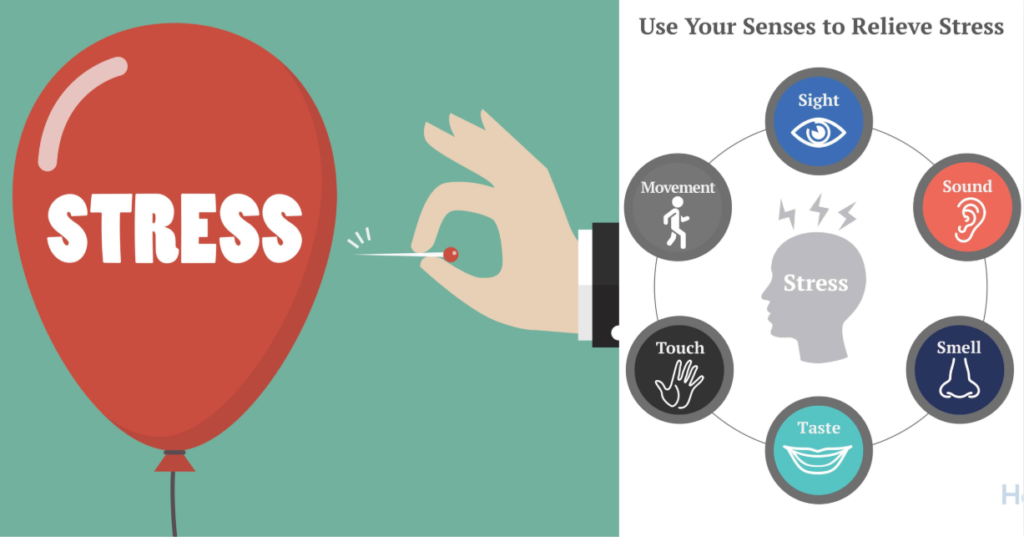
Understanding Stress Hormones and Their Role
To effectively manage stress through nutrition, it’s important to understand the key hormones involved and how they influence your body.
What Are Stress Hormones?
Your body produces several hormones in response to stress, including:
- Cortisol: Known as the primary stress hormone, it increases alertness but can be harmful when chronically elevated.
- Adrenaline: Triggers the “fight or flight” response.
- Serotonin and dopamine: These are “feel-good” neurotransmitters that help regulate mood and relaxation.
Why Balance Matters
Chronic stress leads to prolonged cortisol elevation, which can disrupt sleep, weaken immunity, and increase inflammation. Supporting serotonin and dopamine levels helps counterbalance stress and promote calmness.
The Food-Hormone Connection
Nutrients from food act as building blocks for hormone production. For example:
- Amino acids support neurotransmitter synthesis
- Vitamins and minerals regulate enzymatic reactions
- Healthy fats contribute to brain function and hormone signaling
This means your daily meals can either amplify stress or help reduce it.
Step-by-Step Guide to Mindful Eating for Stress Reduction
Transforming your eating habits doesn’t require drastic changes. Instead, focus on small, consistent steps.
1. Prioritize Whole, Nutrient-Dense Foods
Whole foods provide essential nutrients that support hormone balance.
- Leafy greens for magnesium
- Whole grains for steady energy
- Lean proteins for amino acids
2. Stabilize Blood Sugar Levels
Blood sugar spikes and crashes can increase cortisol production.
- Eat balanced meals with protein, fiber, and healthy fats
- Avoid skipping meals
- Limit refined sugars and processed snacks
3. Hydrate Consistently
Even mild dehydration can elevate stress levels.
- Aim for regular water intake throughout the day
- Add natural flavors like lemon or mint to encourage hydration
4. Practice Mindful Eating
Slow down and engage your senses during meals.
- Eat without distractions
- Chew thoroughly
- Pay attention to hunger and fullness cues
This not only improves digestion but also reduces stress-related eating patterns.
Best Foods That Boost Stress-Reducing Hormones
Certain foods are particularly effective at enhancing serotonin, dopamine, and other calming hormones.
Foods That Support Serotonin Production
- Complex carbohydrates: Oats, brown rice, and quinoa
- Bananas: Rich in vitamin B6, essential for serotonin synthesis
- Dark chocolate: Contains compounds that improve mood when consumed in moderation
Foods That Enhance Dopamine
- Protein-rich foods: Eggs, fish, chicken, and legumes
- Nuts and seeds: Provide tyrosine, a precursor to dopamine
- Avocados: Support brain health and neurotransmitter function
Foods That Lower Cortisol
- Fatty fish: Rich in omega-3 fatty acids
- Green tea: Contains L-theanine, promoting relaxation
- Berries: High in antioxidants that reduce inflammation
Incorporating these foods regularly helps create a natural defense against stress.
Advanced Strategies to Optimize Hormonal Balance
Once you’ve established a solid foundation, you can take your approach further with advanced techniques.
Timing Your Meals
- Eat at consistent times to regulate your internal clock
- Avoid heavy meals late at night to support better sleep
Gut Health and Stress
Your gut and brain are closely connected through the gut-brain axis.
- Include probiotics (yogurt, kefir) and prebiotics (fiber-rich foods)
- A healthy gut supports serotonin production and reduces stress responses
Combining Nutrition With Lifestyle Habits
- Pair mindful eating with regular exercise
- Incorporate relaxation practices like meditation or deep breathing
- Ensure adequate sleep to regulate hormone cycles
These combined strategies amplify the benefits of your dietary choices.
Troubleshooting Common Challenges
Adopting mindful eating habits can come with obstacles, but they’re manageable with the right approach.
Emotional Eating
- Identify triggers such as stress or boredom
- Replace reactive eating with mindful alternatives like herbal tea or a short walk
Cravings for Sugary Foods
- Balance meals to prevent blood sugar dips
- Choose healthier alternatives like fruit or dark chocolate
Busy Lifestyle Constraints
- Prepare simple, nutritious meals in advance
- Keep healthy snacks accessible
- Focus on consistency over perfection
Remember, progress is more important than perfection.
Maximizing Long-Term Results
Sustainable stress reduction through food requires consistency and awareness.
Build a Balanced Routine
- Plan meals that include a variety of nutrients
- Rotate foods to avoid monotony and ensure diverse nutrient intake
Track Your Progress
- Notice how different foods affect your mood and energy
- Adjust your diet based on personal responses
Stay Educated and Inspired
- Explore related topics like gut health and immunity, anti-inflammatory diets, and sleep optimization
- Continue learning about how nutrition influences mental health
By staying engaged and curious, you can continuously refine your approach and achieve lasting results.
Conclusion
Managing stress doesn’t always require drastic changes—sometimes, it starts with what’s on your plate. By making mindful food choices, you can naturally boost stress-reducing hormones like serotonin and dopamine while keeping cortisol levels in check.
Start small: incorporate nutrient-rich foods, stabilize your meals, and practice mindful eating. Over time, these habits will transform not only your relationship with food but also your overall sense of calm and resilience. You have the power to nourish your body and mind—one meal at a time.
Important Disclaimer: This article is for informational purposes only and should not replace professional advice. For health-related topics, consult healthcare providers. Individual results may vary.