Cancer and nutrition are deeply connected, and certain dietary patterns may influence tumor growth and progression over time. Understanding which foods may promote tumor growth empowers you to make smarter, protective choices for long-term health.
When you sit down to eat, you are not just satisfying hunger—you are influencing billions of cells inside your body. The connection between cancer and nutrition has become one of the most studied areas in modern health science. While no single food directly “causes” cancer on its own, research shows that certain dietary patterns can create an internal environment that supports inflammation, oxidative stress, and abnormal cell growth.
The good news? Once you understand how foods may promote tumor growth, you can make informed changes that support resilience, balance, and cellular health. Let’s break down the science in a clear, empowering way.
Understanding the Link Between Cancer and Nutrition
The relationship between cancer and nutrition centers on how food affects cellular behavior. Cancer develops when normal cells grow uncontrollably. Diet influences this process in several ways:
- Regulating inflammation
- Affecting hormone levels
- Modifying blood sugar and insulin
- Influencing gut microbiome balance
- Impacting DNA stability and oxidative stress
How Diet Influences Cellular Growth
Every meal you eat affects signaling pathways inside your cells. High levels of insulin, for example, can stimulate growth pathways such as IGF-1 (insulin-like growth factor 1), which may contribute to tumor proliferation in certain contexts.
Chronic inflammation is another major factor. Diets high in ultra-processed foods and refined carbohydrates can increase inflammatory markers, creating conditions where abnormal cells may thrive.
The Role of Oxidative Stress
Oxidative stress occurs when free radicals outnumber antioxidants in the body. Some foods increase oxidative stress, potentially damaging DNA over time. While the body has repair systems, chronic dietary stress may weaken these protective mechanisms.
Understanding these foundations gives you power. Nutrition is not about fear—it is about influence.
What Foods Are Commonly Associated With Increased Cancer Risk?
This is one of the most frequently asked questions about cancer and nutrition.
Featured Snippet Answer
Foods commonly associated with increased cancer risk include processed meats, excessive red meat, refined sugars, sugary beverages, ultra-processed foods, trans fats, and alcohol when consumed in excess. These foods may promote inflammation, insulin spikes, oxidative stress, and hormonal imbalances that can contribute to tumor development over time.
Now let’s examine these categories more closely.
Processed Meats
Processed meats such as bacon, sausages, hot dogs, and deli meats contain nitrates and nitrites. When cooked at high temperatures, they can form compounds like N-nitroso compounds, which have been studied for their potential carcinogenic properties.
Regular high consumption has been linked in research to increased colorectal cancer risk.
Excessive Red Meat
While moderate red meat consumption can be part of a balanced diet, very high intake—especially charred or grilled at high temperatures—may produce heterocyclic amines (HCAs) and polycyclic aromatic hydrocarbons (PAHs), which may damage DNA.
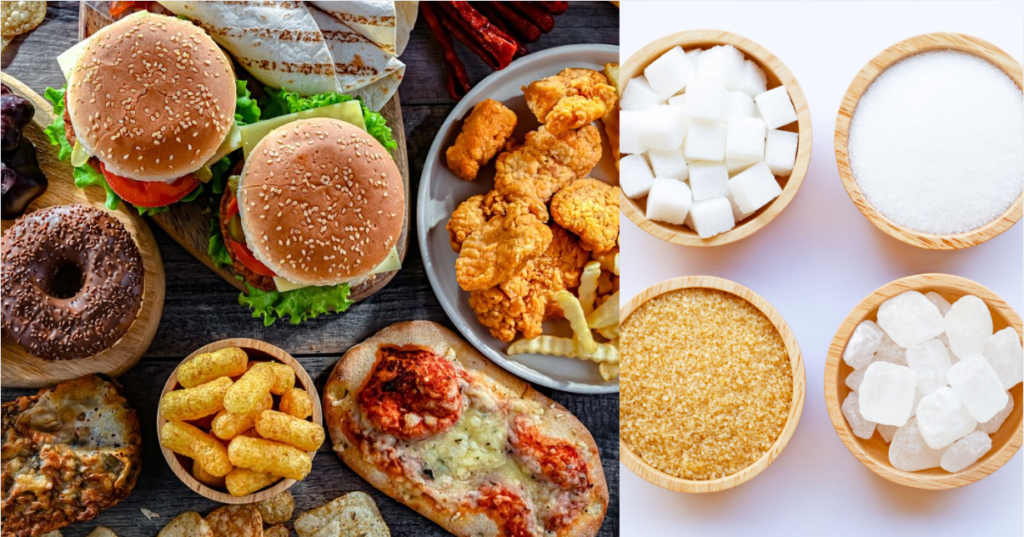
Refined Sugars and Sugary Beverages
Sugar itself does not “feed cancer” in a simplistic sense. All cells use glucose. However, chronically high sugar intake can:
- Elevate insulin levels
- Promote weight gain
- Increase systemic inflammation
Obesity is a known risk factor for multiple cancer types, making excessive sugar consumption a concern in cancer and nutrition discussions.
Ultra-Processed Foods
Highly processed snacks, packaged desserts, and fast foods often contain additives, refined oils, emulsifiers, and preservatives. These may disrupt gut microbiota and promote low-grade inflammation.
Trans Fats and Industrial Oils
Artificial trans fats have been associated with systemic inflammation. Even though many countries restrict them, processed foods may still contain harmful fat combinations that promote metabolic stress.
Alcohol
Alcohol consumption increases the risk of several cancers, including breast, liver, and esophageal cancer. It affects estrogen levels, damages liver tissue, and produces acetaldehyde, a toxic compound that can harm DNA.
How Does Sugar Impact Tumor Growth?
You may have heard the phrase, “Sugar feeds cancer.” The truth is more nuanced.
Insulin and Growth Signaling
High sugar intake can lead to insulin resistance. Elevated insulin and IGF-1 levels may stimulate cellular proliferation pathways, potentially accelerating tumor growth in susceptible tissues.
Obesity as a Mediator
Excess sugar contributes to weight gain. Adipose tissue (body fat) is metabolically active and can produce inflammatory cytokines and estrogen. This environment may support tumor progression.
The key insight: It’s not about eliminating every gram of sugar. It’s about reducing chronic overload.
Which Dietary Patterns May Create a Tumor-Promoting Environment?
Cancer and nutrition research increasingly focuses on overall dietary patterns rather than single foods.
Western Diet Pattern
The “Western diet” typically includes:
- High refined carbohydrates
- Large amounts of red and processed meat
- Low fiber intake
- Minimal fruits and vegetables
- High saturated and trans fats
This pattern is strongly associated with chronic inflammation and metabolic syndrome.
Low-Fiber Intake
Fiber supports gut microbiome diversity. A healthy microbiome produces short-chain fatty acids like butyrate, which may help regulate cell growth and reduce inflammation. Diets low in fiber may compromise this protective mechanism.
High Glycemic Load Diets
Frequent spikes in blood sugar create hormonal fluctuations that may affect cellular signaling pathways related to cancer progression.
Shifting your pattern—not just individual ingredients—makes the biggest difference.
How Do Cooking Methods Influence Cancer Risk?
The way you cook food matters just as much as what you cook.
High-Temperature Cooking
Grilling, frying, or broiling meats at very high temperatures can produce HCAs and PAHs. These compounds have been studied for their potential to cause DNA damage.
Safer Cooking Alternatives
- Steaming
- Baking at moderate temperatures
- Slow cooking
- Marinating meats before grilling
Marinating meat with herbs and acidic ingredients may reduce harmful compound formation.
Charred Foods
Burnt edges on meat contain higher concentrations of potentially harmful compounds. Removing heavily charred portions can reduce exposure.
Simple preparation adjustments can dramatically change the impact of a meal.
What Role Does Inflammation Play in Tumor Growth?
Inflammation is a double-edged sword. It protects you from infections—but chronic inflammation may contribute to cancer development.
Pro-Inflammatory Foods
Certain dietary components may promote inflammation when consumed excessively:
- Refined carbohydrates
- Processed meats
- Industrial seed oils in high quantities
- Sugary beverages
Anti-Inflammatory Balance
Balancing these with:
- Leafy greens
- Berries
- Fatty fish rich in omega-3s
- Nuts and seeds
can help regulate inflammatory pathways.
The goal is not perfection—it is balance over time.
Common Challenges When Improving Cancer and Nutrition Habits
Changing dietary patterns can feel overwhelming. You may worry that every bite is dangerous. That mindset is neither realistic nor helpful.
Challenge 1: Fear-Based Eating
Focusing too heavily on “bad foods” can create stress. Chronic stress itself negatively impacts health. Instead, emphasize adding protective foods rather than obsessively eliminating items.
Challenge 2: Convenience Culture
Ultra-processed foods are everywhere. Preparation time is a real barrier. Start small:
- Replace one sugary drink per day with water.
- Add one vegetable serving to dinner.
- Choose whole grains over refined ones.
Challenge 3: Conflicting Information
Nutrition headlines can be confusing. One day coffee is harmful; the next day it is protective. Look for consistent patterns in large, long-term studies rather than isolated findings.
Maximizing Protective Nutrition Strategies
Understanding foods that may promote tumor growth is only half the picture. You also want to strengthen your body’s defense systems.
Build a Protective Plate
Aim for:
- Half your plate vegetables and fruits
- A source of lean protein
- Whole grains or legumes
- Healthy fats such as olive oil
Support Your Gut Microbiome
Fermented foods like yogurt, kefir, sauerkraut, and kimchi support beneficial bacteria. Fiber-rich foods feed those bacteria.
Maintain Healthy Body Weight
Body composition strongly influences hormonal and inflammatory balance. Even modest weight reduction can improve metabolic markers.
Complementary Topics for Deeper Learning
To strengthen your understanding of cancer and nutrition, consider exploring related subjects such as:
- Anti-inflammatory diets
- The role of antioxidants in cellular protection
- Gut microbiome health
- Hormonal balance and cancer risk
- The impact of exercise on tumor suppression
Each of these areas connects directly to how diet shapes long-term cellular outcomes.
Conclusion: Empowered Choices Shape Cellular Health
Cancer and nutrition are intimately connected, but the relationship is complex—not simplistic. Certain foods and dietary patterns may promote inflammation, hormonal imbalances, and oxidative stress that create conditions favorable to tumor growth. Processed meats, excessive alcohol, refined sugars, ultra-processed foods, and chronically high-glycemic diets are among the most studied contributors.
The empowering truth is this: you are not powerless. By shifting toward whole foods, balanced blood sugar, fiber-rich meals, and anti-inflammatory patterns, you create an internal environment that supports resilience and repair.
Small, consistent changes matter more than dramatic overhauls. You have the ability to influence your biology with every meal. That is powerful.
Important Disclaimer: This article is for informational purposes only and should not replace professional advice. For health-related topics, consult healthcare providers. For financial or legal matters, seek qualified professional guidance. For safety procedures, verify current best practices and local regulations. Individual results may vary, and personal circumstances should always be considered when implementing any suggestions.