Childhood emotional suppression doesn’t just disappear with time—it can quietly shape your mental and physical health well into adulthood. When emotions are consistently ignored, dismissed, or hidden during early life, your body often carries the burden in ways you may not immediately recognize.
In this guide, you’ll explore the powerful connection between childhood emotional suppression and adult health, uncover how early emotional patterns influence your well-being, and learn practical ways to heal and reconnect with yourself. Understanding this mind–body link can help you break unhealthy cycles, improve resilience, and create a healthier, more balanced life.
Meta Description (150–160 characters): Discover how childhood emotional suppression affects adult health and learn practical strategies to heal the mind–body connection and improve well-being.
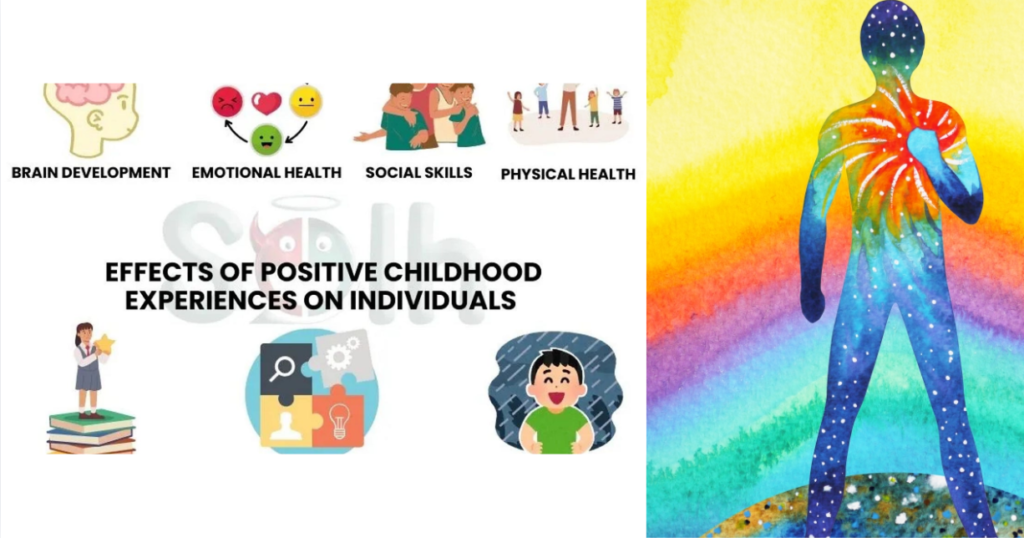
Understanding Childhood Emotional Suppression
To begin your healing journey, it’s important to understand what emotional suppression really means.
What Is Emotional Suppression?
Emotional suppression occurs when a child learns to ignore, hide, or avoid expressing feelings. This can happen when:
- Emotions are dismissed (“Stop crying, it’s nothing”)
- Expression is punished or discouraged
- Caregivers are emotionally unavailable
Over time, the child adapts by disconnecting from their emotional experiences.
Why It Happens
Children depend on their environment for safety and validation. If expressing emotions feels unsafe, they develop coping mechanisms such as:
- Avoidance
- People-pleasing
- Emotional numbness
These patterns may help in the short term—but they often carry into adulthood.
The Long-Term Impact
Unprocessed emotions don’t disappear. Instead, they may manifest as:
- Chronic stress or anxiety
- Difficulty forming relationships
- Physical symptoms like fatigue or tension
Understanding this connection is the first step toward transformation.
The Mind–Body Connection: How Emotions Affect Physical Health
Your body and mind are deeply interconnected. What you feel emotionally can influence your physical state.
Stress and the Nervous System
When emotions are suppressed, your body remains in a heightened stress state.
Effects on the Body
- Increased cortisol levels
- Weakened immune response
- Higher risk of chronic conditions
Over time, this constant stress can contribute to issues such as headaches, digestive problems, and even cardiovascular strain.
Emotional Suppression and Physical Symptoms
Many people experience physical discomfort without realizing the emotional roots.
Common Manifestations
- Muscle tension (especially in the neck and shoulders)
- Digestive issues
- Sleep disturbances
Your body often “speaks” what your mind has learned to silence.
Step-by-Step Guide to Reconnecting With Your Emotions
Healing from childhood emotional suppression is possible—and it starts with small, intentional steps.
Step 1: Build Emotional Awareness
- Pause and ask yourself, “What am I feeling right now?”
- Use simple labels like sad, angry, or anxious
Awareness is the foundation of emotional healing.
Step 2: Create a Safe Space for Expression
- Journal your thoughts and feelings
- Talk to someone you trust
- Allow yourself to feel without judgment
Step 3: Practice Mind–Body Techniques
- Deep breathing exercises
- Meditation or mindfulness
- Gentle movement like yoga
These practices help regulate your nervous system and reconnect your mind and body.
Step 4: Challenge Old Patterns
Notice when you:
- Avoid conflict
- Suppress your needs
- Seek constant approval
Then gently choose a healthier response.
Advanced Strategies for Emotional Healing
Once you’ve started reconnecting with your emotions, you can deepen your healing process.
Develop Emotional Intelligence
Understanding your emotions helps you respond rather than react.
- Identify triggers
- Recognize patterns
- Build healthier coping mechanisms
Strengthen Relationships
Healthy connections support emotional expression.
- Communicate openly
- Set boundaries
- Practice empathy
Seek Professional Support
Therapies such as cognitive-behavioral therapy (CBT) or somatic therapy can help process deeply rooted emotions.
Troubleshooting Common Challenges
Healing isn’t always linear. You may encounter obstacles along the way.
Challenge: Feeling Overwhelmed
- Start small—focus on one emotion at a time
- Take breaks when needed
Challenge: Difficulty Identifying Emotions
- Use emotion charts or lists
- Pay attention to physical sensations as clues
Challenge: Fear of Vulnerability
- Remind yourself that emotions are not weaknesses
- Build trust gradually with safe individuals
Maximizing Results: Building a Healthier Mind–Body Balance
To sustain long-term well-being, integrate emotional awareness into your daily life.
Create Daily Emotional Check-Ins
- Spend a few minutes reflecting on your feelings
- Track patterns over time
Combine Physical and Emotional Care
- Exercise regularly
- Maintain a balanced diet
- Prioritize sleep
Physical health supports emotional resilience—and vice versa.
Embrace Self-Compassion
Healing takes time. Be patient and kind to yourself as you grow.
Featured Snippet: How Does Childhood Emotional Suppression Affect Adult Health?
Childhood emotional suppression can lead to chronic stress, emotional disconnection, and physical health issues in adulthood. It affects the nervous system, increases stress hormones, and may contribute to conditions like anxiety, fatigue, and tension-related disorders.
Internal Linking Opportunities
To deepen your understanding, explore related topics such as:
- Stress management and nervous system regulation
- The role of sleep in mental health
- Mindfulness and meditation techniques
- Hormonal balance and emotional well-being
- Gut health and its connection to emotions
Conclusion
Childhood emotional suppression may shape your past, but it doesn’t have to define your future. By understanding the mind–body connection and learning to reconnect with your emotions, you can begin to heal both mentally and physically.
Small, consistent steps—like building awareness, expressing emotions, and caring for your body—can lead to powerful transformation. You have the ability to break old patterns, strengthen your resilience, and create a healthier, more balanced life.
Start today. Listen to your emotions, honor your experiences, and take the first step toward true well-being.
Important Disclaimer: This article is for informational purposes only and should not replace professional advice. For health-related topics, consult healthcare providers. Individual results may vary.