Maintaining a healthy colon is essential for overall well-being, digestion, and energy levels. A sluggish or overburdened colon can lead to bloating, irregular bowel movements, and even systemic health issues. The good news is that there are natural ways to cleanse and support your colon, helping your body process nutrients efficiently while promoting gut health. By implementing simple, evidence-based strategies, you can enhance your digestive system, reduce discomfort, and feel revitalized from the inside out.
In this comprehensive guide, you’ll learn foundational concepts about colon health, actionable steps to boost digestive function, advanced strategies to optimize long-term wellness, and troubleshooting tips for common digestive challenges. By the end, you’ll have practical tools to support your colon naturally and sustainably.
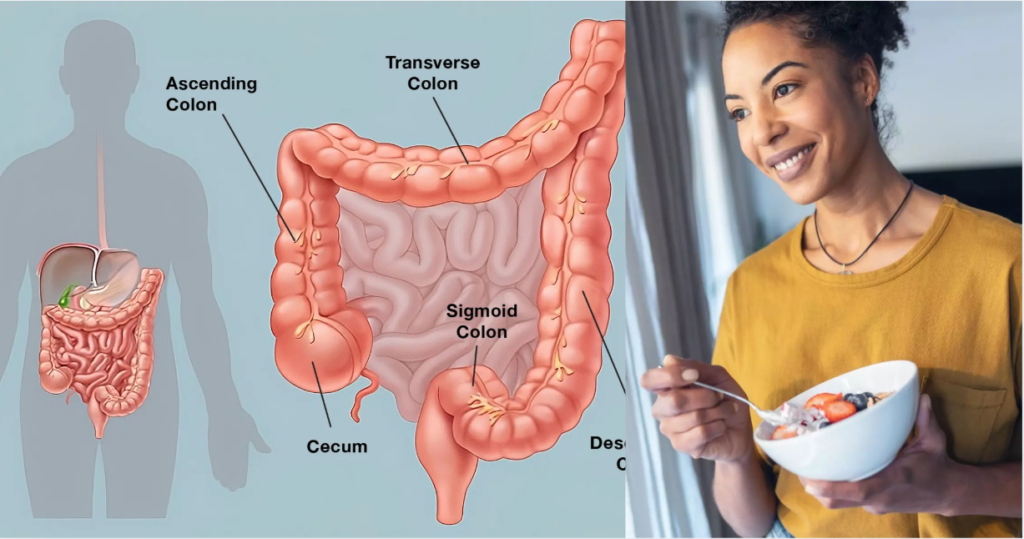
Understanding the Colon and Its Role
Your colon, or large intestine, plays a crucial role in digestion by absorbing water, electrolytes, and essential nutrients while eliminating waste. A healthy colon supports:
- Regular bowel movements
- Optimal gut microbiota balance
- Efficient nutrient absorption
- Immune system strength
When the colon is sluggish, you may experience constipation, bloating, or fatigue. Recognizing the importance of this organ is the first step in supporting its function naturally.
Common Concerns About Colon Health
Many people worry about toxins, constipation, or irregularity. While extreme “detox” approaches aren’t necessary for most healthy adults, gentle, consistent practices can maintain a thriving colon environment.
Foundation: Getting Started with Colon Support
Prioritize Fiber Intake
Dietary fiber is the cornerstone of colon health. It helps bulk up stool, promotes regularity, and nourishes beneficial gut bacteria.
Key fiber sources include:
- Fruits: apples, pears, berries
- Vegetables: broccoli, carrots, leafy greens
- Whole grains: oats, brown rice, quinoa
- Legumes: lentils, beans, chickpeas
Tip: Gradually increase fiber to avoid bloating and drink plenty of water to aid digestion.
Hydration Matters
Water keeps stool soft and prevents constipation. Aim for at least 6–8 glasses per day, and increase intake if you exercise or consume high-fiber foods.
Encourage Natural Movement
Physical activity stimulates bowel function. Regular walking, yoga, or light aerobic exercise can help keep your colon active.
Step-by-Step Process: Core Methods for a Healthy Colon
1. Incorporate Prebiotics and Probiotics
- Prebiotics: Non-digestible fibers that feed healthy gut bacteria. Found in garlic, onions, leeks, bananas, and asparagus.
- Probiotics: Live beneficial bacteria that support gut balance. Sources include yogurt, kefir, sauerkraut, kimchi, and miso.
Actionable Tip: Combine prebiotic and probiotic foods to maximize gut microbiota support.
2. Emphasize Whole Foods
- Focus on minimally processed foods rich in vitamins, minerals, and antioxidants.
- Limit refined sugars, artificial additives, and processed oils, which can disrupt gut balance.
3. Try Gentle Colon Cleansing Approaches
- High-fiber smoothies or green juices can promote regularity.
- Warm water with lemon in the morning may support digestion.
- Herbal teas like ginger or peppermint can ease bloating.
4. Maintain Consistent Meal Timing
Eating at regular intervals supports healthy bowel patterns and prevents sluggish digestion.
Advanced Strategies and Pro Tips
Incorporate Anti-Inflammatory Foods
Chronic inflammation can affect colon health. Anti-inflammatory choices include:
- Fatty fish rich in omega-3s (salmon, sardines)
- Turmeric and ginger
- Leafy greens and colorful vegetables
Mindful Eating Practices
Chew food thoroughly, eat slowly, and avoid overeating. Mindful eating reduces digestive stress and improves nutrient absorption.
Optimize Sleep and Stress Management
Stress and sleep deprivation impact gut motility and microbiota balance. Practices like meditation, deep breathing, and maintaining a consistent sleep schedule support colon function.
Troubleshooting Common Challenges
Dealing with Constipation
- Increase fiber gradually and pair with hydration.
- Engage in light physical activity after meals.
- Try magnesium-rich foods or supplements if needed (consult a healthcare provider).
Handling Bloating or Gas
- Limit carbonated drinks and overly processed foods.
- Identify potential food sensitivities, such as lactose or gluten.
- Include probiotic-rich foods to restore gut flora.
Preventing Irregularity During Travel or Busy Periods
- Plan portable fiber-rich snacks like nuts, dried fruit, or whole-grain crackers.
- Stay hydrated and maintain movement routines even while on the go.
Maximizing Results: Long-Term Colon Health
- Create a daily fiber routine: Incorporate fruits, vegetables, legumes, and whole grains consistently.
- Hydration habits: Drink water steadily throughout the day, not just during meals.
- Support microbiota: Combine prebiotic and probiotic foods regularly.
- Lifestyle integration: Include daily movement, stress management, and adequate sleep.
- Monitor patterns: Keep a digestion diary to notice trends, triggers, and improvements.
By combining these strategies, you not only support your colon’s function but also enhance overall digestive health, energy levels, and immunity.
Conclusion: Take Control of Your Colon Health
Supporting your colon naturally doesn’t require extreme cleanses or expensive supplements. By focusing on fiber, hydration, prebiotics, probiotics, and mindful lifestyle habits, you can create a thriving digestive environment. Implementing these simple yet powerful steps can transform your digestive experience, reduce discomfort, and promote lasting wellness. Start today by incorporating small, consistent changes, and watch how your body responds. With dedication and awareness, a healthier colon—and a happier gut—is entirely within your reach.
Important Disclaimer: This article is for informational purposes only and should not replace professional medical advice. Consult a healthcare provider for guidance regarding persistent digestive issues or before starting supplements.