Meta Description: Learn the differences between jock itch and intertrigo, including causes, symptoms, risk factors, diagnosis, and treatment of these common skin fold conditions.
Skin fold problems are among the most common dermatological concerns, especially in warm or humid environments. Two conditions that often look similar but have different causes are jock itch and intertrigo. Both affect areas where skin rubs together, but one is mainly fungal while the other is primarily inflammatory (though it can become infected secondarily).
Understanding the difference between jock itch vs intertrigo is important for choosing the right treatment and preventing recurrence.
In this article, we’ll break down how each condition develops, how to recognize them, and the best management strategies.
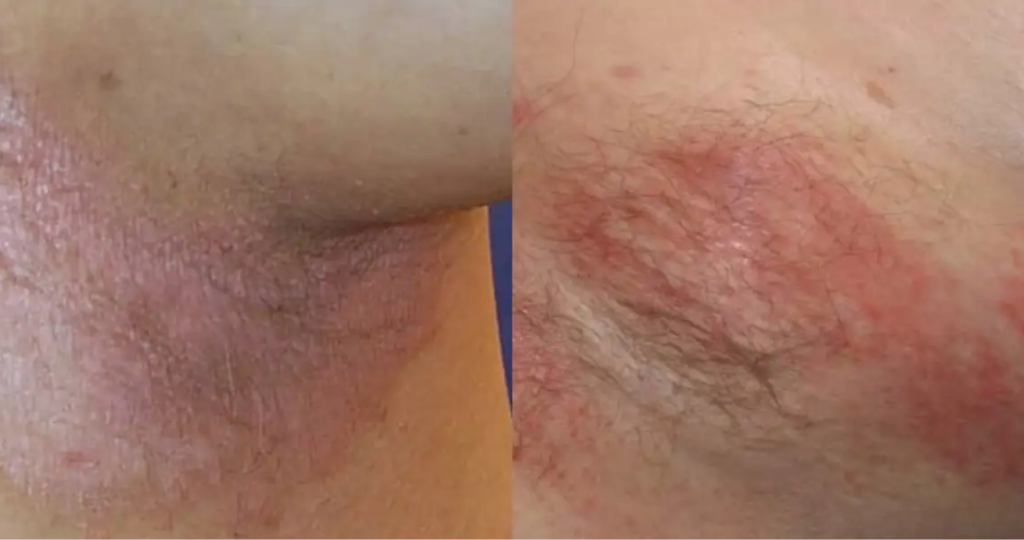
Understanding Skin Fold Infections and Irritation
Skin folds create a warm, moist environment that can easily become irritated or infected.
Why skin folds are vulnerable
- Limited airflow
- Increased sweating
- Friction between skin surfaces
- Ideal conditions for microbial growth
Common affected areas
- Groin
- Under breasts
- Armpits
- Inner thighs
- Abdominal folds
Featured Snippet: What is the difference between jock itch and intertrigo?
Jock itch is a fungal infection caused by dermatophytes affecting the groin area, while intertrigo is an inflammatory condition caused by skin friction and moisture, which may or may not become secondarily infected.
What Is Jock Itch?
Jock itch is a fungal infection of the skin, medically known as tinea cruris.
Main cause
- Dermatophyte fungi (commonly Trichophyton species)
Risk factors
- Excess sweating
- Tight clothing
- Warm climates
- Sharing towels or clothing
- Athlete-related activities
What Is Intertrigo?
Intertrigo is a skin inflammation caused by friction, moisture, and irritation in skin folds.
Main causes
- Skin rubbing against skin
- Heat and sweating
- Moist environments
Secondary infection risk
Intertrigo can later become infected by:
- Fungi (yeast like Candida)
- Bacteria
Symptoms Comparison: Jock Itch vs Intertrigo
Although they may look similar, their symptoms have key differences.
Jock itch symptoms
- Red, ring-shaped rash
- Itching (often intense)
- Scaly or flaky skin
- Rash mainly in groin and inner thighs
- Clearer border around rash
Intertrigo symptoms
- Red, raw, irritated skin
- Burning sensation
- Moist or oozing areas
- Less defined borders
- Common in multiple skin folds
Featured Snippet: How can you tell jock itch from intertrigo?
Jock itch typically appears as a ring-shaped, scaly fungal rash in the groin with clear edges, while intertrigo presents as a red, irritated, moist rash in skin folds without a distinct border.
Causes and Triggers
Causes of jock itch
- Fungal overgrowth in warm environments
- Excess moisture
- Poor hygiene or delayed showering after sweating
- Tight or synthetic clothing
Causes of intertrigo
- Skin friction
- Heat and humidity
- Obesity (increased skin folds)
- Excess sweating
- Poor air circulation
How These Conditions Develop
Development of jock itch
Step 1: Fungal exposure
Fungi come into contact with skin.
Step 2: Growth in warm areas
Moist groin area supports fungal proliferation.
Step 3: Rash formation
Inflammation and itching develop.
Development of intertrigo
Step 1: Skin friction
Skin folds rub together repeatedly.
Step 2: Moisture accumulation
Sweat and heat irritate the skin.
Step 3: Inflammation
Skin becomes red, raw, and painful.
Treatment Approaches
Treatment for jock itch
1. Antifungal creams
- Clotrimazole
- Miconazole
- Terbinafine
2. Hygiene measures
- Keep area dry
- Change clothing regularly
3. Lifestyle adjustments
- Wear loose cotton clothing
- Avoid shared towels
Treatment for intertrigo
1. Reducing moisture
- Keep folds dry
- Use absorbent powders
2. Barrier creams
- Zinc oxide
- Petroleum-based creams
3. Treat secondary infection
- Antifungal or antibacterial creams if needed
Featured Snippet: What is the best treatment for intertrigo?
The best treatment for intertrigo includes keeping the affected area dry, reducing friction, using barrier creams, and treating any secondary fungal or bacterial infection if present.
Prevention Strategies
Preventing jock itch
- Maintain good hygiene
- Use antifungal powders in humid climates
- Avoid tight clothing
- Shower after sweating
Preventing intertrigo
- Keep skin folds dry
- Use breathable fabrics
- Manage weight if necessary
- Apply barrier creams in prone areas
When to Seek Medical Advice
Seek help if:
- Rash persists despite treatment
- Severe pain or swelling develops
- Signs of infection appear (pus, fever)
- Condition keeps recurring
Internal Linking Opportunities
This topic connects well with:
- Fungal skin infections and dermatophytes
- Skin microbiome and barrier function
- Hygiene and infection prevention
- Obesity and skin health
- Dermatological inflammation conditions
Conclusion
Although jock itch and intertrigo may appear similar at first glance, they have distinct causes and require different management approaches. Jock itch is a fungal infection that thrives in warm, moist environments, while intertrigo is primarily an inflammatory condition caused by friction and moisture in skin folds.
Recognizing the differences early helps ensure proper treatment—antifungal therapy for jock itch and moisture control with barrier protection for intertrigo. With good hygiene, preventive care, and timely treatment, both conditions can be effectively managed and prevented from recurring.
Understanding your skin’s signals is the first step toward maintaining long-term dermatological health.