Meta Description: Explore how diabetes impacts more than blood sugar, affecting organs, nerves, and overall health, and learn strategies to manage these hidden effects.
Diabetes is often discussed in terms of blood sugar levels, insulin, and carbohydrate management. While these are essential aspects of care, the condition silently affects much more than glucose regulation. From cardiovascular strain and nerve damage to kidney function and cognitive health, the hidden effects of diabetes can significantly impact overall well-being. Understanding these broader implications equips you to adopt a proactive approach, protecting your organs, maintaining vitality, and improving quality of life.
Beyond numbers on a glucose meter lies a complex interplay between metabolic health, inflammation, and organ function. People living with diabetes often face subtle changes in circulation, hormonal balance, and tissue integrity that develop over time. Recognizing these hidden effects empowers you to act early and implement strategies that mitigate long-term complications. This article explores how diabetes impacts your body beyond blood sugar and provides practical insights for holistic management.
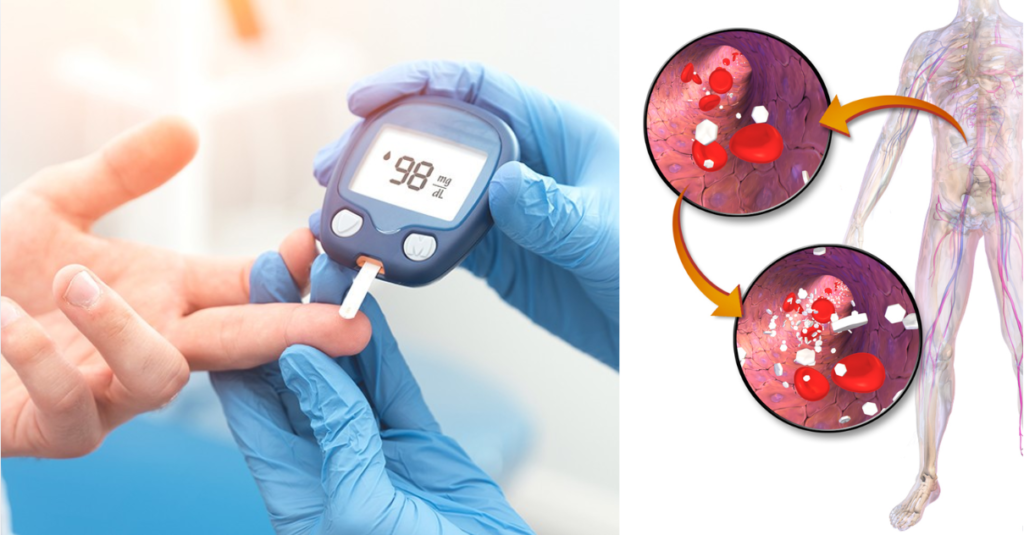
Understanding the Broader Impact of Diabetes
While elevated blood sugar is the hallmark of diabetes, its physiological effects ripple throughout the body. Chronic hyperglycemia triggers inflammation, oxidative stress, and vascular damage, affecting multiple organ systems.
H3: Cardiovascular Health
Diabetes significantly increases the risk of heart disease and stroke. High glucose levels contribute to:
- Arterial plaque buildup (atherosclerosis)
- Increased blood pressure
- Reduced elasticity of blood vessels
Managing blood sugar is only part of cardiovascular protection; lifestyle adjustments including exercise, diet, and regular cardiovascular monitoring are essential.
H3: Kidney Function
The kidneys filter blood and regulate fluid and electrolyte balance. Diabetes can damage delicate kidney vessels, leading to diabetic nephropathy. Early signs include microalbuminuria, which may progress to chronic kidney disease if left unchecked.
H3: Nervous System
Peripheral neuropathy affects sensation, particularly in extremities. Symptoms may include tingling, numbness, and pain. Autonomic neuropathy can impair digestion, bladder function, and heart rate control. Early detection and blood sugar control reduce progression.
The Digestive System and Diabetes
Diabetes can interfere with normal gastrointestinal function. High blood sugar and autonomic neuropathy may contribute to:
- Gastroparesis: Delayed stomach emptying causing bloating, nausea, and unpredictable glucose spikes
- Altered gut microbiome: Imbalanced intestinal bacteria affecting metabolism and immunity
- Constipation or diarrhea: Resulting from nerve dysfunction or medication side effects
Tip: Small, frequent meals and mindful dietary choices can improve digestive comfort and glycemic control.
Eye Health and Diabetes
Diabetic retinopathy is a leading cause of vision impairment. Elevated glucose damages retinal blood vessels, resulting in:
- Microaneurysms
- Hemorrhages
- Vision loss in advanced stages
Regular eye exams and strict glucose management can preserve vision and detect changes early.
Skin and Wound Healing
Diabetes affects skin integrity and healing due to poor circulation and nerve sensitivity:
- Slow healing of cuts and scrapes
- Increased risk of infections
- Dry, itchy, or discolored skin
Tip: Inspect skin daily, moisturize regularly, and seek care for wounds promptly to prevent complications.
Cognitive Function and Mental Health
Emerging research links diabetes to cognitive decline and higher risk of dementia. Mechanisms include:
- Vascular damage impairing blood flow to the brain
- Chronic inflammation affecting neurons
- Insulin resistance disrupting neurotransmitter regulation
Maintaining blood sugar within target ranges, exercising regularly, and engaging in cognitive activities can help protect brain health.
Strategies to Mitigate Hidden Effects
H3: Lifestyle Optimization
- Balanced Diet: Emphasize whole grains, lean proteins, healthy fats, and fiber to support glucose and organ health
- Regular Exercise: Improves circulation, insulin sensitivity, and cardiovascular health
- Stress Management: Techniques like meditation or yoga reduce inflammation and support overall resilience
H3: Medical Monitoring
- Routine kidney, eye, and cardiovascular assessments
- Neurological evaluations for early neuropathy detection
- Consultation with dietitians, endocrinologists, and mental health professionals for comprehensive care
H3: Technology and Tools
- Continuous glucose monitors (CGMs) for real-time insights
- Mobile apps for tracking exercise, diet, and medication adherence
Troubleshooting Common Challenges
Even with proactive care, challenges arise. Common issues include:
- Unpredictable Glucose Swings: Adjust diet, medication timing, or exercise routines with professional guidance
- Fatigue or Brain Fog: Check for nutrient deficiencies and ensure consistent blood sugar control
- Mood Fluctuations: Consider therapy or support groups; mental health is integral to diabetes management
Prevention and early intervention are key—recognizing subtle symptoms allows timely action.
Maximizing Long-Term Health
- Consistency Over Perfection: Daily adherence to diet, exercise, and monitoring prevents long-term complications.
- Education: Stay informed about diabetes research, medications, and emerging therapies.
- Holistic Approach: Focus on organ health, mental well-being, and lifestyle habits, not just blood sugar numbers.
- Professional Support: Regular check-ups with healthcare providers enable early detection and individualized strategies.
By integrating these strategies, you can mitigate the hidden effects of diabetes, optimize organ function, and maintain a high quality of life.
Conclusion
Diabetes extends far beyond blood sugar, silently influencing your heart, kidneys, nerves, skin, digestion, and even brain function. Awareness of these hidden effects empowers you to take a proactive, holistic approach to health. Combining consistent glucose management with lifestyle optimization, regular medical monitoring, and mental health support creates a resilient framework for long-term well-being. By understanding and addressing the full spectrum of diabetes-related challenges, you can achieve balance, vitality, and confidence in managing this complex condition. Your actions today shape your health for years to come.
Internal Linking Opportunities:
- Explore [Nutrition Strategies for Blood Sugar Management]
- Learn [Exercise Plans to Support Diabetes Health]
- Discover [Mental Health and Diabetes: Coping Strategies]
- Check [Kidney Protection in Diabetes: Tips and Insights]
- Read [Understanding Diabetic Neuropathy and Prevention]
Disclaimer:
Important Disclaimer: This article is for informational purposes only and should not replace professional advice. For health-related topics, consult healthcare providers. Individual results may vary, and personal circumstances should always be considered when implementing any suggestions.