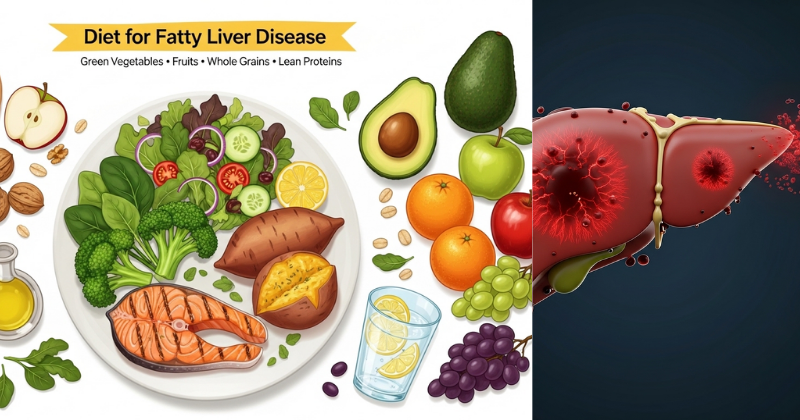
Discover the best diet for fatty liver disease to reverse fat buildup and boost your energy. Learn which foods to eat and avoid for a healthier, happier liver today!
Important Disclaimer: This article is for informational purposes only and should not replace professional advice. For health-related topics, consult healthcare providers. For financial or legal matters, seek qualified professional guidance. For safety procedures, verify current best practices and local regulations. Individual results may vary, and personal circumstances should always be considered when implementing any suggestions.
Have you ever felt sluggish, bloated, or just “off,” only to discover your liver might be carrying a bit of extra weight? If you have been diagnosed with hepatic steatosis, you are not alone—and more importantly, you are in a position of power. A diet for fatty liver disease is one of the most effective tools for reclaiming your health. Unlike many other conditions, the liver has a remarkable ability to repair itself when given the right fuel and care.
By making intentional, supportive choices, you can actually reduce the fat stored in your liver cells and lower inflammation. This guide is designed to transform your kitchen into a healing center. We will move beyond the fear of diagnosis and focus on the delicious, vibrant foods that unlock your body’s natural healing potential. Get ready to discover a lifestyle that doesn’t just help your liver—it revitalizes your whole life!
Foundation: Understanding the Role of Nutrition in Liver Health
Building confidence starts with understanding how a diet for fatty liver disease works. Your liver is a metabolic powerhouse, processing everything you eat and drink. When we consume more calories, sugar, and unhealthy fats than the liver can process, it stores the excess as fat. Over time, this can lead to Non-Alcoholic Fatty Liver Disease (NAFLD).
The good news? The liver is the only organ in your body that can fully regenerate. By focusing on sustainable lifestyle changes, you can stop the progression of the disease and often reverse it entirely. Beginners often worry that they have to give up everything they love. In reality, it is about adding in “liver-loving” nutrients that help your body metabolize fat more efficiently.
What is the best diet for fatty liver disease?
The most highly recommended approach by health experts is a Mediterranean-style diet. This isn’t a restrictive “fad” but a pattern of eating that emphasizes whole foods, healthy fats, and lean proteins. It focuses on reducing the workload on your liver while providing the antioxidants needed to fight cellular stress.
H3: Key Components of Liver Recovery
- Fiber-Rich Carbohydrates: Think whole grains and legumes that prevent insulin spikes.
- Healthy Fats: Monounsaturated fats like those found in olive oil and avocados.
- Antioxidants: Colorful vegetables that neutralize harmful free radicals.
- Hydration: Water is the primary vehicle your liver uses to flush out waste.
Step-by-Step: Core Methods to Build Your Liver-Healthy Plate
Ready to take action? Breaking down a diet for fatty liver disease into manageable steps makes the transition feel like a breeze. Use these core methods to start your journey today.
1. Swap the “White” for the “Brown”
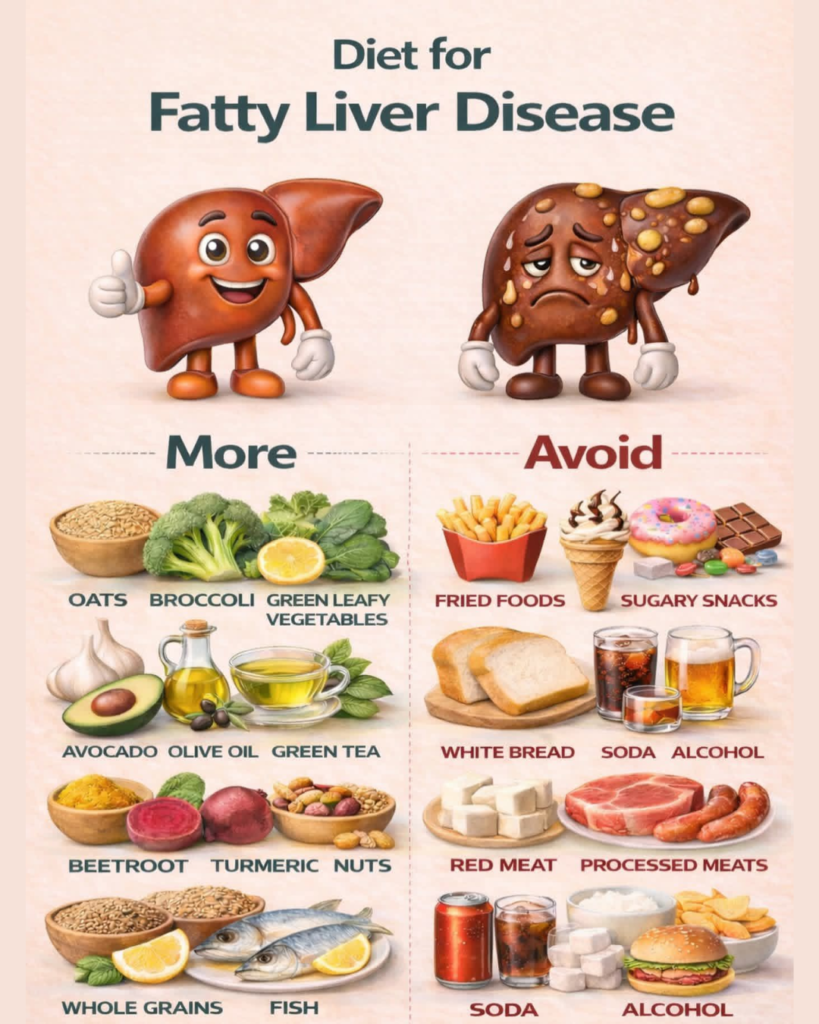
Refined carbohydrates like white bread, white rice, and sugary cereals turn into glucose quickly, which the liver then converts into fat. Switch these out for oats, quinoa, and brown rice. These complex carbs digest slowly, keeping your blood sugar stable and your liver happy.
2. Embrace the Power of Greens
Vegetables—especially cruciferous ones like broccoli, Brussels sprouts, and kale—contain compounds that help the liver detoxify. Aim to fill half your plate with colorful veggies at every meal. This is an easy way to achieve fullness without excess calories.
3. Choose “Good” Fats Over “Bad” Fats
Not all fat is the enemy! While you should limit saturated fats found in red meat and butter, your liver actually needs healthy fats to function. Use extra virgin olive oil as your primary cooking oil and snack on a handful of raw walnuts, which are high in omega-3 fatty acids.
4. Lean Into Protein
Your liver needs protein to repair its tissues, but heavy meats can be taxing. Focus on fatty fish (like salmon), skinless poultry, beans, and lentils. If you are exploring weight loss tips, protein is also your best friend for staying full longer.
5. Slash Liquid Sugars
High-fructose corn syrup is a major contributor to liver fat. Replace sodas, sweetened teas, and processed fruit juices with sparkling water, herbal tea, or black coffee. Interestingly, some research suggests that moderate coffee consumption can actually protect the liver!
Advanced Strategies: Pro Tips for Maximum Healing
Once you’ve mastered the basics of a diet for fatty liver disease, you can use these expert-level insights to customize your approach and accelerate your progress.
The Magic of Intermittent Fasting
Some studies suggest that giving your liver a break from processing food can help it burn through stored fat more effectively. A simple 12-hour or 14-hour overnight fast (for example, eating dinner at 7 PM and breakfast at 9 AM) can be a powerful “pro tip” for metabolic health.
Reading Labels Like a Boss
The “Advanced” level of this diet is spotting hidden sugars. Look out for ingredients ending in “-ose” like maltose, dextrose, and especially fructose. Even “healthy” looking items like low-fat yogurt are often packed with sugar to improve taste—always check the label!
H3: Creative Flavor Without the Salt
- Turmeric and Ginger: Use these spices liberally; they have potent anti-inflammatory properties that support liver health.
- Garlic and Onions: These sulfur-rich foods help activate liver enzymes that flush out toxins.
- Lemon Water: Starting your day with warm lemon water can help “wake up” your digestive system.
Troubleshooting: Overcoming Common Challenges
Changing your eating habits can be tough, and setbacks are a natural part of the process. Here is how to handle frequent obstacles with solutions that keep you moving forward.
- “I miss my favorite comfort foods.” Try healthy “re-creations.” If you love pasta, try zoodles (zucchini noodles) or chickpea pasta with a fresh pesto made from olive oil and basil.
- “I’m always hungry.” This usually means you aren’t getting enough fiber. Add a tablespoon of chia seeds or flaxseeds to your morning oats to increase satiety.
- “Eating out is too hard.” Look for grilled options and ask for salad instead of fries. Most restaurants are happy to swap out refined carbs for extra vegetables if you ask!
Preventive Measures for Success
To avoid “decision fatigue,” try meal prepping on Sundays. Having a fridge full of roasted vegetables and grilled chicken makes it much easier to stick to your diet for fatty liver disease when you’re tired after work. Also, remember that gradual progress is better than perfection. If you have a meal that isn’t liver-friendly, don’t give up—just make your next choice a healthy one.
Maximizing Results: Next-Level Lifestyle Integration
While your diet is the foundation, your liver health is also influenced by how you move and rest. Combining these habits will help you building upon your basic success.
The Role of Physical Activity
You don’t need to run a marathon! Just 30 minutes of brisk walking five days a week can significantly reduce liver fat. Exercise helps your muscles use up glucose, so your liver doesn’t have to turn it into fat. This is a perfect example of a complementary strategy to your nutrition plan.
Sleep and Stress Management
When you are stressed or sleep-deprived, your body produces cortisol. High cortisol levels can lead to fat accumulation in the abdominal area and the liver. Prioritizing 7–8 hours of quality sleep and practicing simple deep-breathing exercises can transform your recovery speed.
Conclusion: You Are the Architect of Your Health
Starting a diet for fatty liver disease is one of the most empowering decisions you can make for your future. You have learned that healing doesn’t require starvation—it requires nourishing your body with whole grains, lean proteins, and antioxidant-rich vegetables. By following these 9 easy shifts, you are giving your liver the exact tools it needs to regenerate and thrive.
Summarizing our journey: focus on fiber, embrace healthy fats, and keep your hydration high. You have the capability to succeed, and every healthy meal is a step toward a more energetic, vibrant you. Your liver has been working hard for you for years; now it’s time to return the favor!