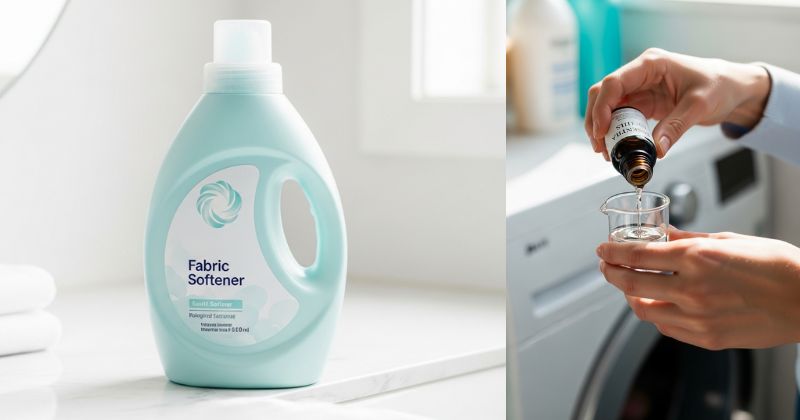
Learn how to make a DIY fabric softener recipe using essential oils to keep your laundry soft and smelling fresh naturally. Discover eco-friendly, budget-saving tips today.
Have you ever pulled your favorite sweater out of the dryer only to find it stiff, scratchy, and clinging to you with static? Most of us reach for those brightly colored plastic jugs at the supermarket to solve this, but those commercial liquids often hide a cocktail of synthetic fragrances and chemicals. If you are looking for a way to achieve cloud-like softness while keeping your home toxin-free, you are in the right place! You can easily create a DIY fabric softener recipe using essential oils that works just as well as—if not better than—expensive store brands.
By switching to a natural alternative, you will transform your laundry routine from a chemical chore into a personalized aromatherapy experience. Not only will your clothes feel amazing against your skin, but you will also save money and reduce plastic waste. In this guide, we will unlock the secrets of simple, household ingredients that perform magic in your washing machine. Get ready to discover how easy it is to empower your lifestyle with a touch of DIY brilliance!
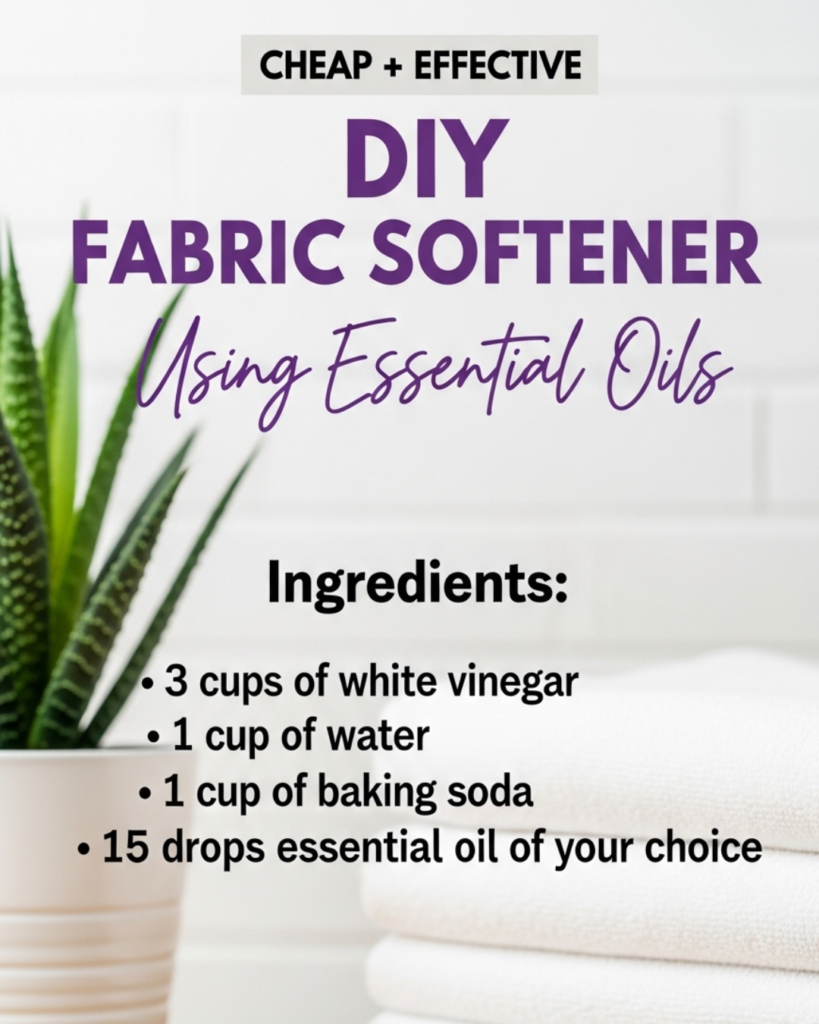
Foundation: Understanding Natural Fabric Softening
Before we start mixing, let’s build your confidence with the basics. Why does a DIY fabric softener recipe using essential oils even work? Most commercial softeners work by coating fibers in a thin layer of lubricating chemicals (quats). Natural alternatives, however, focus on neutralizing the minerals in your water and balancing the pH of your laundry.
Many beginners worry that “natural” means “less effective,” but that is a myth we are going to debunk right now. Using ingredients like white vinegar or hair conditioner allows you to break down the soap residue that makes clothes feel crunchy. Adding essential oils doesn’t just provide a beautiful scent; many oils possess antimicrobial properties that keep your machine and your clothes smelling truly clean, not just “perfumed” clean. It is a win for your health, your wardrobe, and your sustainable lifestyle.
H3: The Core Ingredients
The most popular base for a natural softener is distilled white vinegar. Don’t worry—your clothes won’t smell like a salad! The vinegar scent evaporates completely during the rinse and dry cycles, leaving behind only the aroma of your chosen essential oils. Another option involves using a small amount of eco-friendly hair conditioner mixed with water, which provides that classic “silky” feel many people love.
H3: Choosing the Right Essential Oils
When selecting oils for your DIY fabric softener recipe using essential oils, quality is key. Look for 100% pure essential oils rather than “fragrance oils.”
- Lavender: The gold standard for linens and towels, known for its calming properties.
- Lemon or Lemongrass: Excellent for cutting through musty odors and brightening the “mood” of your laundry.
- Eucalyptus: Great for bedding, especially during allergy season, as it provides a crisp, clean feeling.
Step-by-Step Process: Making Your Custom Softener
Now, let’s get into the core method. This recipe is fast, achievable, and provides enough softener for several weeks of laundry.
Step 1: Prepare Your Container
Find a large glass jar or a repurposed clean plastic jug. Glass is generally better when working with essential oils, as high concentrations of oils can sometimes degrade thin plastics. A 32-ounce mason jar works perfectly.
Step 2: The Vinegar and Oil Method
This is the most popular “clean” version.
- Fill your container with 2 cups of distilled white vinegar.
- Add 20–30 drops of your preferred essential oils.
- Add 1 cup of water to slightly dilute the acidity.
- Close the lid and shake vigorously before each use.
Step 3: The “Silky” Conditioner Method (Optional Variation)
If you prefer a thicker, more traditional texture:
- Mix 6 parts water, 3 parts white vinegar, and 2 parts hair conditioner.
- Stir gently (don’t shake too hard or it will foam up!).
- Add 10–15 drops of essential oils to boost the fragrance.
Step 4: Timing and Application
How much should you use? For a standard load, add 1/4 to 1/2 cup of your DIY mixture to the fabric softener dispenser of your washing machine. If your machine doesn’t have a dispenser, add it manually during the final rinse cycle. Address the timing correctly to ensure the softener isn’t washed away by the initial detergent cycle!
Advanced Strategies: Pro Tips for Laundry Perfection
Once you have mastered the basic DIY fabric softener recipe using essential oils, you can start to customize your approach like a pro. Sharing these expert insights will help you get the most out of every drop.
H3: Scent Longevity Secrets
One common question is: How do I make the scent last longer? Essential oils are volatile, meaning they evaporate. To lock in the fragrance, try these tricks:
- The Wool Ball Combo: Use your liquid softener in the wash, then add a few drops of the same oil to wool dryer balls. This double-layering ensures the scent survives the heat of the dryer.
- Cold Water Rinsing: If your machine allows it, use a cold rinse. Heat can dissipate the oils before the cycle even finishes.
H3: Texture Customization
If you live in an area with very hard water, you might need an extra boost.
- Epsom Salt Hack: Add two tablespoons of Epsom salt directly to your softener jar. The magnesium in the salt helps to further soften the water and relax the fibers of your clothes.
- The Baking Soda Prep: For extremely scratchy towels, add a half-cup of baking soda to the wash cycle before using your vinegar-based softener in the rinse. The reaction between the two helps “fluff” the fibers.
Troubleshooting: Common Challenges and Solutions
Even the best DIY projects can hit a snag. Here is how to handle frequent obstacles with ease and encouragement.
- Problem: My clothes still have static cling.
- Solution: Static is usually caused by over-drying. Try reducing your dryer time by 5–10 minutes. Alternatively, you can toss a small ball of crumpled aluminum foil into the dryer to help dissipate electrical charges.
- Problem: The essential oil is separating and floating on top.
- Solution: This is normal! Essential oils and water/vinegar don’t naturally stay mixed. Simply give your jar a good shake right before pouring it into the machine.
- Problem: I’m worried about vinegar damaging my machine’s gaskets.
- Solution: When diluted with water and used in small amounts (like 1/4 cup), vinegar is generally safe for modern machines. However, if you are concerned, you can alternate between the vinegar recipe and the conditioner-based recipe to give your machine a break.
Preventive Measures
To prevent any staining, never pour the concentrated essential oil mixture directly onto dry clothes. Always ensure it goes into the dispenser or is added to a full tub of rinse water.
Maximizing Results: Next Level Laundry Care
To truly build upon your success, consider how your DIY fabric softener recipe using essential oils fits into your overall home care.
- Complementary Strategies: Combine your softener with a DIY Lavender Lemon Laundry Booster to double down on freshness. Using a natural detergent will also ensure there are no heavy chemicals for your softener to fight against.
- Maintenance: Every few months, run a hot “cleaning cycle” with just vinegar to remove any residue. This keeps your machine—and your clothes—in peak condition.
- Seasonal Scents: Switch your oils with the seasons! Use Peppermint in the winter for a fresh, “snowy” scent, or Orange and Clove in the autumn for a cozy, warm feel.
Conclusion: Empower Your Home Naturally
Transitioning to a DIY fabric softener recipe using essential oils is a small change that yields massive rewards. You have discovered how to unlock the power of simple household staples to achieve professional-level results. Not only will your laundry be softer and safer for your family, but you will also feel the satisfaction of knowing exactly what goes into your home products.
The journey to a more natural lifestyle is built on these achievable, everyday victories. You are fully capable of taking control of your environment, one load of laundry at a time. So, grab your vinegar and your favorite oils, and start mixing—your clothes (and the planet) will thank you!