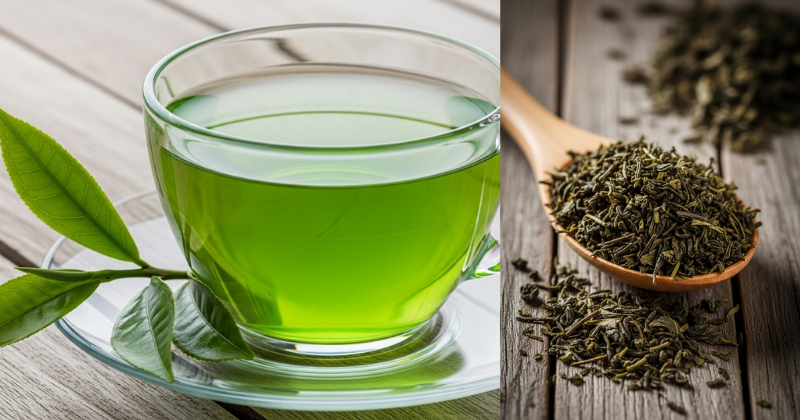
Crafting a DIY green tea toner represents an elegant convergence of ancient botanical wisdom and contemporary dermatological understanding, offering your skin a scientifically-supported treatment rich in polyphenols, catechins, and antioxidant compounds that address multiple cutaneous concerns simultaneously.
Creating your own green tea toner transforms a simple beverage into a sophisticated skincare formulation, harnessing the bioactive molecules within Camellia sinensis leaves to deliver anti-inflammatory, antimicrobial, and photoprotective benefits to your complexion. This accessible yet scientifically robust approach to facial care empowers you to understand precisely what touches your skin while experiencing the profound satisfaction of formulating cosmetic preparations grounded in evidence-based dermatology.
The Scientific Foundation: Understanding Green Tea’s Dermatological Properties
Before we embark on formulation protocols, we must comprehend the biochemical mechanisms that render green tea exceptionally valuable for topical skincare applications. This understanding transforms our DIY toner from folk remedy into science-informed therapeutic intervention.
The Polyphenolic Arsenal of Camellia sinensis
Green tea’s dermatological efficacy stems primarily from its remarkable concentration of polyphenolic compounds, particularly catechins—a class of flavonoids with documented antioxidant, anti-inflammatory, and antimicrobial properties. The dominant catechin, epigallocatechin-3-gallate (EGCG), comprises approximately 50-80% of total catechin content and demonstrates the most potent biological activity.
These molecules function through multiple mechanisms: neutralizing reactive oxygen species that accelerate cellular aging, inhibiting inflammatory mediators like nuclear factor-kappa B, and interfering with bacterial cell wall synthesis. Research published in dermatological journals has documented EGCG’s ability to protect fibroblasts from ultraviolet radiation damage, reduce sebum production in oily skin types, and attenuate inflammatory responses in conditions like acne vulgaris and rosacea.
I first encountered the scientific literature on green tea’s dermatological applications while researching natural alternatives to conventional astringents, and the depth of peer-reviewed evidence supporting its efficacy proved remarkably compelling—this wasn’t merely traditional wisdom but rigorously documented biochemical activity.
Bioavailability and Topical Delivery Considerations
The effectiveness of any topical formulation depends fundamentally on molecular penetration through the stratum corneum—the outermost layer of the epidermis that serves as our primary barrier against environmental insults. Green tea catechins, being relatively small hydrophilic molecules with molecular weights between 290-458 daltons, demonstrate moderate permeability across this barrier, particularly when applied in aqueous solutions.
However, these compounds exhibit notable instability when exposed to light, oxygen, and elevated pH levels, undergoing oxidation that diminishes their antioxidant capacity. This biochemical reality necessitates careful attention to preparation methods, storage conditions, and usage timelines—factors we’ll address thoroughly in our formulation protocols.
Documented Clinical Benefits
Contemporary dermatological research has identified numerous skin benefits associated with topical green tea application. Studies have demonstrated significant reductions in sebum production among participants with oily and acne-prone skin, attributed to catechins’ ability to modulate hormonal influences on sebaceous glands. Anti-inflammatory effects manifest as decreased erythema and reduced inflammatory lesion counts in acne patients.
The photoprotective properties prove particularly noteworthy—while green tea extract cannot replace broad-spectrum sunscreen, research indicates it provides supplementary defense against UV-induced oxidative damage, potentially mitigating some photoaging effects when incorporated into comprehensive sun protection regimens.
Formulating Your Green Tea Toner: Evidence-Based Preparation Methods
With foundational understanding established, we proceed to actual formulation—translating scientific knowledge into practical skincare preparation through methodical, reproducible protocols.
Essential Materials and Quality Considerations
Primary Ingredients:
High-quality organic green tea leaves or bags constitute your formulation’s cornerstone. Select minimally processed varieties—Japanese sencha, Chinese dragonwell, or gunpowder green tea—which retain maximum catechin concentrations. Avoid flavored or heavily oxidized teas, as additional processing diminishes bioactive compound levels.
Distilled or purified water serves as your solvent base, preventing mineral contamination that could compromise formulation stability or interact unfavorably with green tea compounds.
Optional Enhancement Ingredients:
Witch hazel extract (Hamamelis virginiana) contributes additional astringent and anti-inflammatory properties through its tannin content, complementing green tea’s effects while providing natural preservation.
Vegetable glycerin functions as a humectant, attracting and retaining moisture in the epidermis—particularly valuable for those with dehydration-prone skin who might otherwise find astringent toners excessively drying.
Aloe vera gel (Aloe barbadensis) offers supplementary anti-inflammatory and wound-healing compounds, including polysaccharides and glycoproteins that support skin barrier function.
Essential oils—particularly tea tree (Melaleuca alternifolia) for acne-prone skin or lavender (Lavandula angustifolia) for sensitive complexions—add therapeutic properties and pleasant aromatics, though they require cautious incorporation due to potential sensitization risks.
The Basic Formulation Protocol
Step One: Optimal Extraction
Bring 250 milliliters of distilled water to approximately 80°C (176°F)—not boiling, as excessive heat degrades delicate catechins. Remove from heat and add two to three teaspoons of loose green tea leaves or two high-quality tea bags.
Steep for 10-15 minutes, considerably longer than traditional tea preparation. This extended extraction time maximizes catechin transfer into the aqueous phase. Research suggests optimal polyphenol extraction occurs between 10-20 minutes at temperatures of 70-80°C.
I’ve experimented extensively with extraction parameters, finding that 12-minute steeping at approximately 75°C yields infusions with robust color, indicating high catechin concentration, without developing the bitter notes associated with excessive tannin extraction.
Step Two: Filtration and Cooling
Remove tea leaves or bags, allowing the infusion to cool to room temperature naturally. Rapid cooling methods like refrigeration are acceptable but unnecessary. During cooling, catechins remain in solution, creating your toner’s active base.
For optimal clarity, filter the cooled infusion through fine-mesh straining or coffee filters, removing particulate matter that could harbor microbial growth during storage.
Step Three: Enhancement and Preservation
To your 250ml green tea base, consider these evidence-informed additions:
- 50ml witch hazel extract (creates a 20% witch hazel concentration with synergistic astringent effects)
- 1 teaspoon vegetable glycerin (approximately 2% concentration, providing humectant properties without excessive tackiness)
- 2 tablespoons pure aloe vera gel (contributes soothing compounds without significantly altering consistency)
- 3-5 drops essential oil (creates approximately 0.1-0.2% concentration—therapeutic yet minimally irritating)
Mix thoroughly, ensuring homogeneous distribution of all components. Transfer to a sterilized glass bottle, preferably amber or cobalt blue to minimize light-induced degradation of photosensitive catechins.
Advanced Formulation Variations
pH Optimization: Green tea naturally produces slightly acidic infusions (pH 5.5-6.5), compatible with skin’s optimal pH range. For enhanced stability and efficacy, you might adjust pH to 5.0-5.5 using small amounts of citric acid, which also functions as a natural preservative and potentiates antioxidant activity.
Antioxidant Boosting: Incorporate 1/4 teaspoon vitamin E oil (tocopherol) per 250ml formulation. This addition serves dual purposes—enhancing overall antioxidant capacity while contributing to formulation preservation through its own antioxidant properties.
Targeted Therapeutic Additions: For acne-prone skin, consider adding 1-2 drops tea tree essential oil and 1/2 teaspoon niacinamide powder, creating a multi-mechanistic anti-acne formulation. For mature or photoaged skin, incorporate a small amount of hyaluronic acid powder for enhanced hydration and potential wrinkle-reducing effects.
Application Protocols and Integration into Skincare Regimens
Understanding optimal application methodology maximizes your DIY green tea toner’s therapeutic potential while respecting skin physiology and the broader architecture of comprehensive skincare routines.
The Cleanse-Tone-Moisturize Sequence
Toners function within the classical skincare sequence immediately following cleansing and preceding serum or moisturizer application. This positioning serves multiple purposes: removing residual cleanser and minerals from tap water, restoring optimal skin pH following alkaline cleansers, and preparing the epidermis for enhanced absorption of subsequent products.
Apply your green tea toner to freshly cleansed, slightly damp skin using saturated cotton pads, reusable facial rounds, or direct application with clean hands followed by gentle patting motions. The mechanical action aids penetration while the aqueous base provides temporary hydration that facilitates absorption of lipophilic ingredients in subsequent products.
Frequency and Timing Considerations
Most individuals tolerate twice-daily application—morning and evening—without adverse effects. However, those with sensitive, compromised, or dehydrated skin should initially employ once-daily application, observing cutaneous response before increasing frequency.
Morning application proves particularly valuable, as green tea’s antioxidant compounds provide supplementary defense against environmental oxidative stressors encountered throughout the day. Evening application supports overnight repair processes and removal of residual impurities following cleansing.
I’ve adopted a differentiated approach based on seasonal variations—twice daily during summer months when sebum production increases and environmental stressor exposure peaks, transitioning to once daily during winter when my skin demonstrates greater sensitivity and dehydration tendency.
Complementary Product Interactions
Green tea toner integrates seamlessly into most skincare regimens, demonstrating compatibility with common active ingredients. However, certain combinations warrant consideration:
Synergistic Pairings: Vitamin C serums applied after green tea toner create potent antioxidant combinations, with studies suggesting enhanced photoprotection through complementary mechanisms. Hyaluronic acid serums benefit from toner-provided hydration, optimizing moisture-binding capacity.
Cautious Combinations: When using prescription retinoids or high-concentration chemical exfoliants, monitor for potential over-exfoliation or irritation, as the mild astringency of green tea toner might compound these effects in sensitive individuals. This doesn’t necessitate avoiding combinations but rather maintaining awareness of cumulative effects.
Troubleshooting and Optimization Strategies
Even well-formulated DIY skincare occasionally presents challenges requiring systematic problem-solving approaches grounded in understanding formulation chemistry and cutaneous physiology.
Stability and Preservation Challenges
Issue: Cloudiness, separation, or unpleasant odor development indicates microbial contamination or formulation instability.
Solutions: Refrigerate your toner, extending usable lifespan to 7-10 days. For room-temperature storage, consider adding natural preservatives like leucidal liquid (radish root ferment) at 2-4% concentration, or limit batch sizes to quantities consumable within 5-7 days.
Always use sterilized containers and utensils during preparation. A simple sterilization protocol involves boiling glass containers and metal implements for 10 minutes, allowing complete air drying before use.
Issue: Color fading from vibrant green to brownish hues indicates catechin oxidation.
Solutions: Store in opaque or dark-colored glass bottles, minimizing light exposure. Refrigeration significantly slows oxidation. Consider preparing smaller batches more frequently rather than large quantities requiring extended storage.
Cutaneous Response Variations
Issue: Increased dryness or tightness following application.
Analysis: This response likely indicates excessive astringency relative to your skin’s current hydration status or barrier integrity.
Modifications: Increase glycerin concentration to 3-4%, add additional aloe vera gel, or dilute your formulation with equal parts distilled water. Alternatively, reduce witch hazel concentration or eliminate it entirely, relying solely on green tea’s gentler astringency.
Issue: Minimal perceived benefits or effects.
Analysis: Individual biochemical variability means topical formulations demonstrate varying efficacy across populations. Additionally, subtler benefits like antioxidant protection and inflammation reduction might not manifest as immediately perceptible changes.
Optimization: Experiment with higher tea concentration (3-4 teaspoons per 250ml water) or extended steeping times (15-20 minutes). Consider the addition of complementary active ingredients like niacinamide or vitamin C to enhance visible results.
Advanced Considerations: Expanding Your Green Tea Toner Practice
As comfort and competence with basic formulations develop, numerous avenues for exploration and customization emerge, allowing increasingly sophisticated approaches tailored to your evolving understanding and specific dermatological needs.
Targeted Formulation Modifications
For Acne-Prone Skin: Enhance antimicrobial activity by incorporating 2-3% concentration of tea tree essential oil, known for its documented antibacterial effects against Cutibacterium acnes (formerly Propionibacterium acnes). Add 2-4% niacinamide, which research demonstrates reduces sebum production and inflammatory lesion counts. Consider substituting regular green tea with matcha powder in your infusion for concentrated catechin delivery.
For Photoaged or Mature Skin: Combine green tea with white tea (Camellia sinensis, minimally oxidized variety) for enhanced elastase inhibition—enzymatic activity associated with elastin degradation. Incorporate vitamin C (L-ascorbic acid) at 5-10% concentration for collagen synthesis support, though this requires pH adjustment to 3.0-3.5 for optimal stability and penetration.
For Sensitive or Reactive Skin: Eliminate potential irritants like essential oils and witch hazel. Focus on pure green tea infusion combined with soothing agents—colloidal oatmeal extract, chamomile tea, or bisabolol. These formulations prioritize anti-inflammatory effects while minimizing sensitization risk.
Seasonal Adaptations
Modify formulations responsively to environmental conditions and associated dermatological challenges. Summer formulations might emphasize astringency and oil control through higher witch hazel concentrations and tea tree additions. Winter versions could increase humectant content and incorporate more emollient components like plant oils or ceramide complexes to address seasonal dehydration.
Documentation and Iterative Refinement
Maintain detailed records of formulations—exact ingredients, concentrations, preparation methods, and observed effects. This systematic approach enables identification of optimal formulations for your unique skin while facilitating troubleshooting when results disappoint.
Photograph your skin at regular intervals under consistent lighting conditions, creating objective documentation of changes over time. Subjective perceptions often fail to capture gradual improvements that become evident when comparing images separated by weeks or months.
The Intersection of DIY Skincare and Dermatological Science
Creating your own green tea toner represents more than cost savings or natural ingredient preference—it embodies active engagement with the scientific principles underlying dermatological health, fostering deeper understanding of how specific molecules interact with cutaneous structures to produce therapeutic outcomes.
Your DIY green tea toner journey begins with simple infusion and application, yet rapidly expands into sophisticated exploration of formulation chemistry, ingredient interactions, and personalized optimization strategies. Each batch prepared strengthens your connection to both traditional botanical wisdom and contemporary scientific understanding—a synthesis that honors ancestral plant knowledge while embracing rigorous evidence-based methodology.
The transformation you’ll observe extends beyond potential improvements in skin appearance or texture. You’ll develop enhanced capacity to critically evaluate skincare claims, understand ingredient functions, and make informed decisions about products and practices. This knowledge empowers discernment in an industry often characterized by marketing hyperbole disconnected from biochemical reality.
Begin with the basic formulation outlined here, apply it consistently for 4-6 weeks—the minimum duration required to observe meaningful changes in cellular turnover and barrier function—and document your observations systematically. Trust the scientific evidence supporting green tea’s dermatological benefits while remaining attentive to your skin’s unique responses. Through this combination of research-informed formulation and personalized observation, you’ll discover how DIY green tea toner can genuinely enhance your skincare regimen while deepening your understanding of the elegant biochemistry underlying healthy, resilient skin.
Important Disclaimer: This article is for informational purposes only and should not replace professional advice. For health-related topics, consult healthcare providers. For financial or legal matters, seek qualified professional guidance. For safety procedures, verify current best practices and local regulations. Individual results may vary, and personal circumstances should always be considered when implementing any suggestions.