
Creating a DIY hair growth spray with rosemary and clove harnesses botanical compounds scientifically demonstrated to stimulate follicular activity, improve scalp circulation, and support healthy hair development through targeted phytochemical mechanisms.
The intersection of traditional botanical wisdom and contemporary dermatological research reveals compelling evidence for natural hair growth stimulation through specific plant-derived compounds. Rosemary (Rosmarinus officinalis) and clove (Syzygium aromaticum) contain bioactive molecules—including carnosic acid, ursolic acid, and eugenol—that interact with cellular pathways governing hair follicle cycling, inflammatory responses, and microcirculation. This comprehensive guide examines the scientific foundations underlying these botanical effects, provides methodologically rigorous preparation protocols, and contextualizes realistic expectations within the broader landscape of hair growth interventions. You’ll discover how to formulate an evidence-based topical treatment that complements—though does not replace—comprehensive approaches to hair health, while understanding the biochemical mechanisms that make these particular botanicals promising candidates for follicular stimulation.
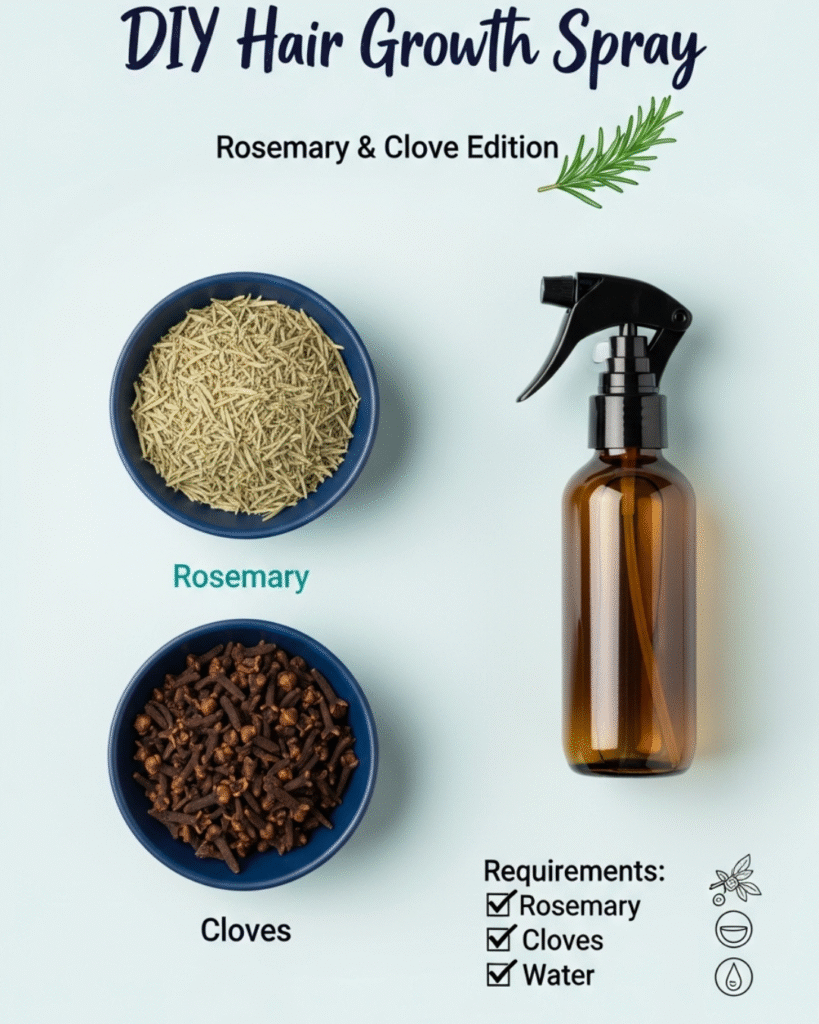
Understanding the Science Behind Rosemary and Clove for Hair Growth
The efficacy of botanical extracts for hair growth rests not on anecdotal tradition alone but on documented phytochemical profiles and emerging clinical evidence demonstrating measurable effects on follicular biology. Rigorous examination of these mechanisms provides the scientific foundation necessary for informed formulation and realistic outcome expectations.
Rosemary: Phytochemical Profile and Follicular Effects
Rosmarinus officinalis contains over 40 identified bioactive compounds, with carnosic acid and rosmarinic acid representing the primary constituents relevant to hair growth applications. Carnosic acid, a diterpene phenolic compound, exhibits documented effects on 5-alpha reductase—the enzyme converting testosterone to dihydrotestosterone (DHT), the primary hormonal mediator in androgenetic alopecia. In vitro studies demonstrate that carnosic acid inhibits this enzymatic conversion with IC50 values suggesting competitive inhibition comparable to some pharmaceutical interventions, though at substantially lower potency.
A pivotal 2015 randomized controlled trial published in SKINmed compared topical rosemary oil to 2% minoxidil in patients with androgenetic alopecia over a six-month period. The study, employing standardized hair counts and patient-reported outcomes, found no statistically significant difference between groups in terms of hair count increase, with both treatments showing approximately 20% improvement over baseline. Notably, the rosemary group reported significantly less scalp pruritus compared to minoxidil users, suggesting favorable tolerability profiles.
The proposed mechanisms extend beyond DHT inhibition to include improved microcirculation through vasodilatory effects. Rosemary extract components induce nitric oxide production in vascular endothelial cells, promoting capillary dilation that theoretically enhances nutrient and oxygen delivery to follicular structures. Additionally, the antioxidant properties of rosmarinic acid—with documented free radical scavenging capabilities—may protect follicular keratinocytes from oxidative stress implicated in premature follicle senescence.
Clove: Eugenol and Circulatory Stimulation
Syzygium aromaticum, commonly known as clove, contains 72-90% eugenol by essential oil composition, alongside beta-caryophyllene and eugenyl acetate. Eugenol functions as a phenylpropanoid with documented effects on peripheral circulation, antimicrobial activity, and anti-inflammatory pathways. The circulatory enhancement derives from eugenol’s ability to antagonize calcium channels in vascular smooth muscle, inducing relaxation and vasodilation.
For scalp applications, this circulatory stimulation presents theoretical advantages: increased blood flow to dermal papilla cells—the specialized fibroblasts that regulate hair follicle cycling—could enhance delivery of growth factors, hormones, and nutrients essential for anagen phase maintenance. The dermal papilla’s metabolic demands increase substantially during active hair growth, making vascular support potentially rate-limiting for optimal follicular function.
Eugenol additionally exhibits antimicrobial properties effective against Malassezia species—fungi implicated in seborrheic dermatitis and potentially contributing to inflammatory scalp conditions that compromise follicular health. By maintaining scalp microbiome balance and reducing inflammatory mediators, clove extracts may create more favorable conditions for hair growth independent of direct follicular stimulation.
However, critical evaluation demands acknowledging that while in vitro and animal studies demonstrate these biochemical effects, human clinical trials specifically examining clove for androgenetic alopecia remain limited. The circulatory and antimicrobial properties, while biologically plausible contributors to improved scalp health, require additional rigorous investigation to establish clinical efficacy for hair growth outcomes.
Synergistic Potential and Complementary Mechanisms
The rationale for combining rosemary and clove extends beyond additive effects to potential synergistic interactions. Rosemary’s anti-androgenic properties address hormonal pathways, while clove’s circulatory effects target vascular delivery—two distinct but complementary mechanisms. Additionally, both botanicals contribute antioxidant and anti-inflammatory effects that may address oxidative stress and chronic inflammation increasingly recognized as contributing factors in hair loss beyond pure androgenic mechanisms.
This multi-targeted approach aligns with contemporary understanding of hair loss as a multifactorial condition involving hormonal, inflammatory, circulatory, and metabolic components. Single-mechanism interventions, while potentially effective, may overlook contributing pathways. The botanical combination strategy attempts to address multiple potential limitations simultaneously, though controlled studies specifically examining rosemary-clove combinations for hair growth remain absent from peer-reviewed literature.
Step-by-Step Formulation Protocol: Creating Your Hair Growth Spray
Translating theoretical phytochemical potential into practical topical preparation requires methodological precision to maximize bioactive compound extraction while ensuring product stability and safety. This protocol emphasizes standardization, sterile technique, and appropriate concentration ranges based on available safety data.
Required Materials and Equipment
Botanical materials:
- 2-3 tablespoons (15-20 grams) dried rosemary leaves (Rosmarinus officinalis)
- 1-2 tablespoons (8-12 grams) whole cloves (Syzygium aromaticum)
- 500 ml distilled or filtered water (chlorine-free)
- Optional: 2-3 tablespoons (30-45 ml) witch hazel extract (Hamamelis virginiana) for preservation
- Optional: 5-10 drops vitamin E oil (tocopherol) as antioxidant stabilizer
Equipment:
- Glass or stainless steel saucepan (avoid reactive metals like aluminum)
- Fine mesh strainer or cheesecloth
- Glass spray bottle (preferably amber or cobalt to minimize light degradation)
- Measuring implements (graduated cylinder or measuring spoons)
- pH testing strips (optional but recommended)
Safety equipment:
- Gloves (if handling concentrated essential oils as variation)
- Well-ventilated preparation area
Preparation Method: Aqueous Decoction
Step 1: Botanical preparation (5 minutes)
Begin by measuring rosemary and cloves accurately. If using whole rosemary branches, remove leaves and lightly crush to increase surface area, enhancing extraction efficiency. Crush whole cloves gently using mortar and pestle or the flat side of a knife—this ruptures oil glands, facilitating eugenol release into the aqueous medium.
The botanical material quality significantly impacts final product potency. Seek organic, recently harvested materials with vibrant color and strong aroma, indicating preserved volatile compound content. Oxidized or improperly stored botanicals lose bioactive constituents through enzymatic degradation and volatilization.
Step 2: Decoction process (25-30 minutes)
Combine measured water with prepared botanicals in the saucepan. Bring to a gentle boil over medium heat, then immediately reduce to a low simmer. Maintain gentle simmering for 20-25 minutes. This controlled heating extracts water-soluble phytochemicals including polyphenols, flavonoids, and certain terpenoids while minimizing thermal degradation of heat-sensitive compounds.
Cover the saucepan during simmering to prevent excessive evaporation and volatile compound loss. The aromatic steam contains eugenol and other volatile components—allowing them to escape reduces final product potency. Gentle bubbling without vigorous boiling represents optimal extraction conditions: sufficient heat to solubilize compounds without causing thermal decomposition.
Monitor the liquid color transformation: initially clear water gradually adopts amber to deep brown coloration as phytochemicals extract. This visual indicator, while qualitative, suggests successful compound extraction.
Step 3: Filtration and clarification (10 minutes)
Remove the saucepan from heat and allow cooling to approximately 60-70°C—warm enough to remain fluid but cool enough for safe handling. Strain the liquid through fine mesh strainer or multiple layers of cheesecloth into a clean glass container. Press the botanical residue gently to express retained liquid, recovering additional extract.
For maximum clarity, perform secondary filtration through coffee filter or fine cloth, removing particulate matter that could clog spray mechanisms or promote microbial growth by providing substrate. The filtered liquid should appear translucent (though colored), without visible suspended particles.
Step 4: Stabilization and preservation (5 minutes)
While freshly prepared decoctions contain maximum bioactive compound concentrations, aqueous botanical extracts remain susceptible to microbial contamination, particularly when stored at room temperature. Several strategies enhance stability:
Witch hazel addition: Incorporate 30-45 ml witch hazel extract (approximately 6-9% final concentration). Witch hazel contains tannins with documented antimicrobial properties while contributing astringent effects that may benefit oily scalp conditions. The alcohol content in witch hazel extracts (typically 14-15%) provides additional preservative effect.
Vitamin E supplementation: Add 5-10 drops of vitamin E oil, functioning as antioxidant to prevent oxidative degradation of phenolic compounds. Tocopherols donate electrons to free radicals, interrupting lipid peroxidation chains that would otherwise degrade bioactive constituents.
pH adjustment consideration: While not essential for basic formulations, measuring and adjusting pH to approximately 5.0-5.5—matching scalp’s natural acidic mantle—may enhance stability and scalp compatibility. Use citric acid (lemon juice) to lower pH if necessary, though most rosemary-clove decoctions naturally achieve mildly acidic pH without adjustment.
Step 5: Final preparation and storage (5 minutes)
Transfer the cooled, filtered extract into amber or cobalt glass spray bottles using a funnel. Dark glass protects photosensitive compounds from light-induced degradation. Label bottles with preparation date and ingredient list.
Storage protocols:
- Refrigeration: 2-3 weeks optimal shelf life
- Room temperature: 7-10 days maximum, only with preservative additions
- Freezing: 3-6 months in appropriate containers, though may affect spray consistency upon thawing
Observe for contamination indicators: cloudiness, unexpected color changes, off-odors, or visible growth. Discard immediately upon detecting any contamination signs.
Application Protocols and Optimization Strategies
Effective topical delivery of botanical compounds requires attention to application technique, frequency, and complementary practices that maximize scalp penetration while minimizing adverse effects. This section translates formulation into practical treatment protocols grounded in dermatological principles.
Evidence-Based Application Methods
Frequency and timing: Current evidence, extrapolating from rosemary clinical trials, suggests twice-daily application—morning and evening—provides consistent exposure without excessive scalp irritation. Each application should involve 5-8 sprays distributed across affected areas, totaling approximately 1-2 ml per application. This dosing provides coverage without saturating the scalp or causing product waste through runoff.
Optimal application timing coincides with periods when scalp will remain undisturbed for several hours, allowing compound absorption without immediate washing or mechanical disruption. Evening application before sleep proves particularly advantageous, providing 6-8 hour contact periods during which follicular absorption can occur without interference from styling products or environmental exposure.
Application technique:
- Scalp preparation: Begin with dry or slightly damp scalp—excessive moisture dilutes the spray, reducing bioactive compound concentration at the application site. If recently shampooed, towel-dry thoroughly and allow 10-15 minutes for surface water evaporation.
- Sectioning: Part hair systematically, creating 1-inch sections to expose scalp surface. This methodical approach ensures complete coverage rather than superficial application to hair shafts, which provides minimal benefit given that follicular stimulation occurs at the scalp level.
- Direct application: Hold the spray bottle 2-3 inches from scalp, applying 1-2 sprays per section. The goal involves coating the scalp surface, not saturating hair. Use fingertips to gently massage sprayed areas, distributing product while stimulating circulation through mechanical manipulation.
- Massage integration: Following complete application, perform gentle circular massage for 3-5 minutes. This mechanical stimulation enhances product absorption while providing additional circulatory benefits. Apply moderate pressure—sufficient to move scalp against underlying structures without causing discomfort.
- Non-rinse protocol: Allow the spray to remain on scalp without rinsing. The compounds require contact time for follicular penetration. Plan styling and activities accordingly—the spray may leave slight herbal scent and, if over-applied, can create appearance of dampness.
Enhancing Penetration and Bioavailability
Carrier oil integration for improved delivery: Consider preparing an oil-based variation for enhanced compound solubility and skin penetration. Certain bioactive constituents in rosemary and clove exhibit greater solubility in lipophilic carriers. Infuse dried botanicals in jojoba oil, sweet almond oil, or fractionated coconut oil through gentle heating (50-60°C for 2-3 hours) or cold maceration (room temperature for 2-3 weeks). Strain and apply small amounts to scalp, massaging thoroughly.
The lipid-based approach facilitates penetration through the stratum corneum—the skin’s lipid-rich barrier layer—potentially improving bioavailability compared to purely aqueous formulations. However, oil-based preparations may prove unsuitable for individuals with naturally oily scalps or those preferring non-greasy formulations.
Dermaroller combination (advanced strategy): Microneedling using 0.5mm dermarollers creates temporary microchannels in the stratum corneum, substantially enhancing transdermal compound penetration. Clinical studies examining minoxidil with microneedling demonstrate significant efficacy improvements compared to topical application alone.
Protocol: Apply rosemary-clove spray after microneedling sessions (performed once weekly), taking advantage of temporarily enhanced permeability. This advanced strategy requires proper device sterilization and understanding of microneedling contraindications (active scalp infections, bleeding disorders, immunosuppression). The combination may cause transient irritation—discontinue if excessive inflammation develops.
Complementary Practices for Optimized Outcomes
Nutritional optimization: Hair growth depends fundamentally on nutritional substrates: amino acids for keratin synthesis, iron for oxygen transport, biotin for keratinocyte metabolism, zinc for follicular immune function. Topical interventions, regardless of potency, cannot overcome severe nutritional deficiencies. Ensure adequate intake of protein (1.2-1.6 g/kg body weight), iron (particularly for menstruating women), biotin (30-35 mcg daily), and zinc (8-11 mg daily).
Stress management: Chronic psychological stress elevates cortisol, potentially shifting follicles from anagen (growth) to telogen (resting) phase prematurely—a phenomenon termed telogen effluvium. Implement evidence-based stress reduction practices: regular aerobic exercise (150 minutes weekly), mindfulness meditation (10-20 minutes daily), adequate sleep (7-9 hours nightly). These systemic interventions address root causes rather than merely treating symptoms.
Scalp hygiene balance: Maintain scalp cleanliness without excessive washing that strips protective sebum. Over-cleansing disrupts the scalp microbiome and removes natural oils that protect follicular structures. Aim for washing 2-3 times weekly with gentle, sulfate-free shampoos. The rosemary-clove spray can be applied to clean or slightly soiled scalps—avoid application immediately before washing, as this wastes product through premature removal.
Troubleshooting Common Challenges and Safety Considerations
Implementing botanical interventions requires vigilance for adverse reactions, understanding of limitation scenarios, and strategies for addressing suboptimal outcomes. This section provides practical guidance for navigating common challenges while maintaining safety.
Identifying and Managing Adverse Reactions
Scalp irritation and contact dermatitis: Approximately 1-3% of individuals experience irritant or allergic contact dermatitis from topical botanical applications. Symptoms include redness, itching, burning sensation, or dermatitic plaques. Eugenol in clove represents a known contact sensitizer, particularly at high concentrations or with damaged skin barrier.
Preventive measures:
- Perform patch testing before full application: apply small amount to inner forearm, wait 24-48 hours, observe for reactions
- Begin with once-daily application for the first week, assessing tolerance before increasing frequency
- Ensure proper dilution—concentrated essential oils require dilution in carrier oils (1-3% final concentration maximum)
Management protocol: Upon detecting irritation, immediately discontinue use. Apply soothing agents: aloe vera gel, colloidal oatmeal preparations, or over-the-counter 1% hydrocortisone cream for symptomatic relief. If reactions persist beyond 48 hours or worsen, consult dermatologist for evaluation and potential prescription treatments.
Consider reformulating with reduced clove concentration or substituting alternative circulatory stimulants (peppermint, ginger) if reactions appear clove-specific. Some individuals tolerate rosemary but react to clove—isolated testing of each botanical can identify the problematic component.
Addressing Suboptimal Results
Realistic timeline expectations: Hair growth interventions require patience. The anagen phase—active growth—proceeds at approximately 1 cm per month. Visible length changes require 2-3 months minimum. Additionally, transitioning follicles from telogen to anagen involves lag periods. Clinical trials of proven treatments (minoxidil, finasteride) typically assess outcomes at 3-6 month intervals.
Set appropriate benchmarks: reduced shedding (noticeable within 4-8 weeks), increased density perception (3-6 months), measurable length increase (6-12 months). Premature discontinuation before adequate trial periods prevents accurate efficacy assessment.
Recognizing limitation scenarios: Botanical interventions demonstrate greatest promise for:
- Early-stage androgenetic alopecia (Norwood I-III, Ludwig I-II)
- Telogen effluvium (stress/nutritional-related shedding)
- General scalp health optimization
Limited efficacy expected for:
- Advanced androgenetic alopecia with extensive miniaturization
- Scarring alopecias (lichen planopilaris, frontal fibrosing alopecia)
- Autoimmune alopecias (alopecia areata)
- Congenital hair disorders
If experiencing progressive hair loss despite 6 months of consistent botanical treatment, consult dermatologist for evaluation. Advanced cases may require pharmaceutical interventions (minoxidil, finasteride, spironolactone) or procedural treatments (platelet-rich plasma, low-level laser therapy, hair transplantation).
Storage Degradation and Reformulation
Identifying degraded product: Botanical preparations lose potency through oxidative degradation, microbial contamination, and volatile compound evaporation. Quality indicators include:
- Color fading: deep amber/brown fades to pale yellow
- Aroma loss: characteristic herbal scent diminishes
- Texture changes: unusual viscosity or separation
- Contamination: cloudiness, visible particles, off-odors
Prepare small batches (250-500 ml) consumed within optimal storage periods rather than large quantities that degrade before use. The effort required for fresh preparation every 2-3 weeks ensures maximum potency while minimizing waste from degraded product.
Reformulation considerations: If initial formulation proves irritating, suboptimal, or unstable, systematic modifications can address specific issues:
- Reduce clove concentration by 50% if irritation suspected
- Add 10% aloe vera juice for soothing properties
- Incorporate 2-3% glycerin for humectant effects and improved spreadability
- Experiment with cold infusion methods for heat-sensitive individuals concerned about thermal degradation
Document modifications systematically—changing multiple variables simultaneously prevents identifying which adjustment produced observed effects.
Maximizing Long-Term Results: Integration and Maintenance Strategies
Sustained hair growth support requires viewing botanical sprays not as isolated interventions but as components within comprehensive, long-term approaches addressing multiple contributing factors. This perspective shift from quick-fix to sustained wellness maximizes outcomes while establishing realistic expectations.
Integrating with Evidence-Based Conventional Treatments
The botanical spray can complement—not replace—pharmaceutical interventions with established efficacy profiles. For individuals using minoxidil or finasteride, the rosemary-clove spray may provide additional benefits through complementary mechanisms:
Minoxidil combination: Apply minoxidil according to prescription instructions (typically twice daily). Use the botanical spray during alternating applications or on non-minoxidil days to avoid product interactions and excessive scalp saturation. The rosemary’s DHT-inhibiting properties complement minoxidil’s potassium channel-mediated effects, addressing distinct pathways simultaneously.
Finasteride/Dutasteride adjunct: Oral 5-alpha reductase inhibitors address systemic DHT production. Topical rosemary may enhance these effects through local anti-androgenic activity while avoiding systemic side effects associated with oral medications. This combination provides both systemic and local DHT modulation.
Professional treatment enhancement: For individuals pursuing platelet-rich plasma (PRP) injections, low-level laser therapy (LLLT), or other professional treatments, the botanical spray maintains consistent stimulation between sessions. The home treatment provides daily follicular support, potentially extending and amplifying clinical intervention benefits.
Lifestyle Integration and Habit Formation
Consistency determines outcomes more than sporadic intensive efforts. Establish sustainable routines incorporating the hair growth spray into existing daily habits:
Morning routine integration: Apply spray immediately after showering while preparing for the day. Keep the bottle visible near other morning grooming products—environmental cues promote habit maintenance. The 5-minute application and massage becomes part of self-care routine rather than burdensome additional task.
Evening wind-down ritual: Frame the evening application as relaxation practice—the scalp massage provides stress relief while delivering botanical compounds. The aromatic qualities of rosemary and clove can enhance evening routines, creating positive associations that reinforce consistency.
Progress documentation: Photograph scalp areas of concern monthly using consistent lighting, angles, and hair positioning. Hair loss progression or improvement occurs gradually—monthly comparisons provide objective evidence that subjective perception often misses. Document shedding patterns, noting whether daily hair loss (normal 50-100 hairs daily) decreases over treatment duration.
Seasonal Adjustments and Formulation Evolution
Hair growth exhibits seasonal patterns—many individuals experience increased shedding during fall months, potentially evolutionary remnants of mammalian seasonal coat changes. Additionally, environmental conditions affect both scalp health and product performance:
Summer modifications: Increase witch hazel content or reduce oil-based additions during humid months when scalps naturally produce more sebum. Consider storing spray bottles in refrigerator—the cooling effect provides relief during hot weather while enhancing preservation.
Winter adaptations: Cold, dry air compromises skin barrier function. Increase humectant additions (glycerin, aloe) or incorporate occasional oil-based applications to prevent scalp dryness that could counteract growth-promoting effects. Indoor heating systems particularly dehydrate skin—address through both topical and systemic hydration (increased water intake).
Formulation evolution: After establishing baseline response to standard rosemary-clove formulation, experiment with complementary botanicals targeting specific concerns:
- Nettle leaf: Additional DHT inhibition through similar mechanisms
- Peppermint oil: Enhanced circulatory stimulation (use cautiously—1-2% dilution maximum)
- Green tea extract: Antioxidant support and potential growth factor modulation
- Ginseng extract: Traditional use supported by emerging research on dermal papilla stimulation
Introduce additions individually with adequate trial periods (6-8 weeks) before assessing effects and adding further modifications.
Conclusion: Botanical Hair Growth Support Within Evidence-Based Context
The DIY rosemary and clove hair growth spray represents an accessible, cost-effective intervention grounded in phytochemical science and supported by preliminary clinical evidence. The formulation harnesses documented bioactive compounds—carnosic acid, rosmarinic acid, and eugenol—that interact with follicular physiology through anti-androgenic, circulatory, and anti-inflammatory mechanisms. While not rivaling pharmaceutical potency of established treatments, the botanical approach offers favorable safety profiles and potential efficacy for early-stage hair loss or general scalp health optimization.
Your success depends on realistic expectations, consistent application, and integration within comprehensive approaches addressing nutritional, hormonal, and lifestyle factors influencing hair health. The preparation protocol provided emphasizes standardization and safety, while application strategies optimize compound delivery and follicular penetration. Troubleshooting guidance and long-term maintenance considerations prepare you for challenges while establishing sustainable practices.
Begin your botanical hair growth journey with methodical preparation, patient consistency, and scientific understanding. Document your progress, adjust formulations based on individual responses, and consult healthcare professionals for progressive hair loss unresponsive to natural interventions. The empowerment of creating your own evidence-based treatment, coupled with the knowledge underlying its mechanisms, positions you for informed participation in your hair health journey.
Transform your approach from passive product consumption to active, knowledgeable self-care. The rosemary and clove spray represents not merely topical application but embodied commitment to comprehensive wellness—recognizing that vibrant hair growth reflects overall health, nutritional adequacy, stress management, and thoughtful attention to the biological systems sustaining us.
Important Disclaimer: This article is for informational purposes only and should not replace professional medical advice. Hair loss can indicate underlying health conditions requiring professional evaluation. Consult healthcare providers, particularly dermatologists or trichologists, before implementing botanical treatments, especially if experiencing sudden or severe hair loss, if pregnant or nursing, or if using prescription medications. Individual results vary based on numerous factors including genetics, overall health status, and specific hair loss etiology. The botanical preparations described involve natural compounds that, while generally well-tolerated, can cause allergic reactions or interactions in susceptible individuals.