
Bathroom mold whispers a silent story of moisture and neglect, yet within your pantry lies an elegant botanical solution that transforms contaminated surfaces into pristine sanctuaries. This vinegar and tea tree oil preparation represents not merely a cleaning protocol, but a reclamation of domestic spaces through nature’s most potent antimicrobial alchemy.
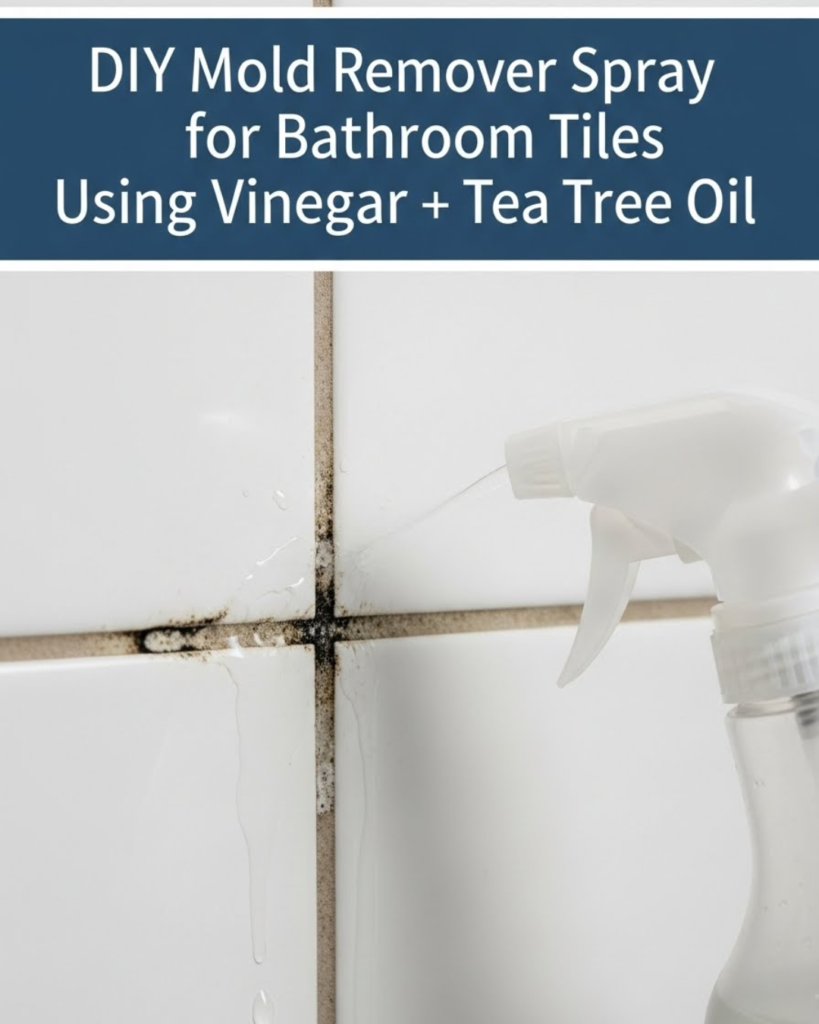
Understanding the Mycological Landscape of Bathroom Environments
The humid microclimate of bathrooms creates an ideal canvas for fungal colonization, where moisture, warmth, and organic matter converge in a delicate dance of biological opportunity. Comprehending these ecological dynamics illuminates why conventional approaches often fail while natural solutions succeed.
Mold spores exist omnipresent in our atmospheric envelope, invisible travelers awaiting hospitable conditions for germination. When relative humidity exceeds 60% and temperatures hover between 15-27°C, these dormant propagules awaken, extending hyphal networks across porous grout, establishing colonies that manifest as the characteristic black, green, or pink discolorations we recognize as mold.
The genera most frequently encountered in bathroom environments—Aspergillus niger, Cladosporium, Penicillium, and Stachybotrys—each possess distinct characteristics and remediation requirements. These organisms thrive not through malicious intent but through evolutionary adaptation to precisely the conditions our bathing rituals create: persistent moisture, soap residues providing organic nutrients, and inadequate ventilation maintaining the humid atmosphere their metabolism demands.
The Philosophical Approach to Mold Remediation
Traditional chemical warfare against mold—deploying chlorine bleach and synthetic fungicides—represents a scorched-earth methodology that eliminates surface manifestations while failing to address underlying moisture conditions. This approach mirrors our broader disconnect from natural processes, seeking immediate obliteration rather than sustained ecological balance.
Natural mold remediation embraces a different paradigm: working with antimicrobial compounds evolved over millions of years, substances that inhibit fungal growth through multiple mechanisms rather than single-action toxicity. This methodology respects the intricate biological networks within our homes while protecting human health from the respiratory irritants and endocrine disruptors present in conventional cleaners.
Vinegar’s Acidic Eloquence
White distilled vinegar, containing 5-8% acetic acid, creates an inhospitable pH environment for most mold species. The acetic acid penetrates cellular membranes, disrupting metabolic processes and preventing spore germination. Research indicates vinegar eliminates approximately 82% of mold species, a remarkable efficacy considering its complete non-toxicity to humans and extraordinary environmental compatibility.
Beyond its antifungal properties, vinegar dissolves mineral deposits, soap scum, and alkaline residues that provide substrate for mold establishment. This dual action—eliminating existing colonies while removing the nutritive foundation for recolonization—distinguishes vinegar from surface-only treatments.
Tea Tree Oil: The Melaleuca Mystery
Extracted from Melaleuca alternifolia, tea tree essential oil contains terpinen-4-ol, a monoterpene alcohol demonstrating potent antifungal, antibacterial, and antiviral properties. Indigenous Australian healers understood this plant’s medicinal power for millennia before Western science documented its remarkable antimicrobial spectrum.
Tea tree oil functions through multiple mechanisms: disrupting fungal cell membrane integrity, inhibiting ergosterol synthesis essential for membrane structure, and interfering with cellular respiration. Unlike single-target synthetic fungicides vulnerable to resistance development, tea tree oil’s complex biochemical action makes adaptation extraordinarily difficult for target organisms.
The aromatic profile of tea tree oil—camphoraceous, medicinal, slightly eucalyptus-like—transforms cleaning from mundane chore into sensory experience, each application releasing volatile compounds that purify air while addressing surface contamination.
Crafting Your Botanical Mold Remover: A Ritual of Transformation
Creating this preparation transcends mere mixing; it becomes a small ceremony of reclaiming domestic space through intentional combination of nature’s purifying essences.
Essential Components:
- 500 milliliters of white distilled vinegar (the acidic foundation)
- 10-15 drops of pure tea tree essential oil (the aromatic guardian)
- Glass spray bottle (honoring the preparation’s integrity)
- Small funnel for transfer (optional but elegant)
- Label and permanent marker (documenting your creation)
The Preparation Ceremony:
Begin by selecting a quiet moment, perhaps early morning when bathroom humidity reaches its nadir. Rinse your glass spray bottle thoroughly with hot water, allowing complete drainage and air-drying. Glass proves essential—plastic containers leach chemicals when exposed to essential oils’ potent solvency, while glass remains chemically inert, preserving your preparation’s purity.
Pour white vinegar into the bottle using your funnel if available, filling to approximately 95% capacity to allow space for essential oil addition and mixing dynamics. The vinegar should flow clear and clean, its sharp acetic aroma already suggesting the transformative power it contains.
Add tea tree oil drop by drop, counting mindfully. Begin conservatively with 10 drops for sensitive individuals or households with pets, increasing to 15 drops for maximum antifungal potency. Each drop disperses momentarily across the vinegar surface before slowly integrating, creating ephemeral patterns like clouds dissolving in morning sky.
Secure the spray mechanism firmly, then shake vigorously for 30 seconds. This agitation creates temporary emulsion, suspending oil droplets throughout the acidic medium. The solution appears slightly cloudy immediately post-shaking, clearing as oil and vinegar stratify—perfectly normal and indicating proper preparation.
Labeling with Intention
Mark your bottle clearly: “Mold Remover – Vinegar + Tea Tree Oil” with the preparation date. This seemingly mundane step acknowledges the respect we owe our cleaning preparations—understanding their contents, their age, their purpose. Unlike commercial products shrouded in proprietary formulation secrecy, your creation stands transparent, every ingredient known and intentionally selected.
Application Methodology: The Art of Surface Treatment
Effective mold remediation requires understanding not merely what to apply but how application technique influences outcome. Approach moldy surfaces with the focused attention a artist brings to canvas preparation.
Before application, remove loose debris, soap residues, and surface water using a dry cloth. This preparation allows maximum solution contact with fungal colonies rather than dilution through surface moisture. Open windows or activate exhaust fans, creating airflow that accelerates drying while dispersing volatile compounds safely.
Shake your spray bottle immediately before use—essential oils naturally separate from aqueous phases, and uniform distribution ensures consistent antifungal potency across the treated surface. Hold the bottle 15-20 centimeters from the target area, spraying generously until surfaces glisten with moisture. The solution should form visible droplets without immediately running off—adequate coverage requires saturation.
Allow the preparation to rest undisturbed for a minimum of one hour, though overnight treatment yields superior results for established colonies. This contact time permits acetic acid penetration into porous grout while tea tree oil volatile compounds permeate hyphal networks, disrupting cellular function at multiple levels.
Advanced Strategies for Persistent Mold Challenges
While the basic vinegar-tea tree formulation addresses most bathroom mold situations admirably, certain conditions demand adapted approaches that build upon this foundation while respecting the same natural principles.
Enhanced Formulations for Stubborn Colonies
For black mold (Stachybotrys chartarum) or extensively established colonies, increase tea tree oil concentration to 20 drops per 500 milliliters, creating a more potent antifungal solution. Alternatively, supplement with additional antimicrobial essential oils: add 5 drops each of eucalyptus and lavender oil, creating a synergistic blend where combined effects exceed individual contributions.
Some practitioners incorporate hydrogen peroxide, creating a two-step treatment protocol. Apply 3% hydrogen peroxide first, allowing 10 minutes contact, then follow with the vinegar-tea tree solution. This sequential approach leverages hydrogen peroxide’s oxidative power before vinegar’s acidic penetration, though it requires additional preparation and application time.
Grout Penetration Techniques
Grout’s porous nature allows deep mold penetration that surface treatments struggle to address. For compromised grout, apply solution then immediately scrub with a firm-bristled brush, working in circular motions that force liquid into porous structure. This mechanical action combines with chemical antimicrobial properties, achieving penetration impossible through passive application alone.
Create a concentrated paste for heavily affected grout by mixing baking soda with your vinegar-tea tree solution to form thick consistency. Apply this paste along grout lines, allowing it to rest for several hours. The extended contact time plus baking soda’s mild abrasive properties when scrubbed away addresses both superficial and deeply embedded contamination.
Preventive Maintenance Protocols
The wisdom of natural mold remediation recognizes that prevention surpasses remediation in both effort and effectiveness. Establish weekly spraying routines after final bathroom use, applying your vinegar-tea tree solution as preventive measure rather than reactive intervention.
This proactive approach maintains constant antimicrobial presence, preventing spore germination before colonies establish. The vinegar evaporates within hours, leaving behind tea tree oil residues that continue providing antifungal protection for days. This residual effect distinguishes essential oils from purely mechanical or acidic treatments.
Seasonal Adaptations and Humidity Management
Winter’s heating systems and summer’s humidity create distinct mold challenges requiring adapted responses. During humid summer months, increase application frequency to twice weekly and consider deploying a bathroom dehumidifier maintaining relative humidity below 50%—the threshold beneath which most mold species cannot sustain active growth.
Winter condensation on cold surfaces creates ideal mold conditions despite lower ambient humidity. Wipe condensation from tiles, mirrors, and fixtures immediately after bathing, removing the moisture film before mold spores can capitalize on this transient abundance.
Troubleshooting the Unexpected: When Nature Requires Patience
Natural remediation occasionally presents challenges absent from synthetic alternatives, yet these difficulties teach valuable lessons about working with rather than against biological systems.
Addressing Vinegar Odor Concerns
The sharp, acetic aroma of vinegar proves objectionable to some individuals, though it dissipates completely within 2-3 hours as volatile compounds evaporate. For those particularly sensitive, reduce vinegar concentration to 400 milliliters, replacing the removed volume with distilled water while increasing tea tree oil to compensate for diluted acidity.
Alternatively, add 5-10 drops of lavender or lemon essential oil, creating aromatic complexity that masks vinegar sharpness while contributing additional antimicrobial properties. These aromatic adjustments personalize your preparation, transforming functional necessity into olfactory pleasure.
Managing Incomplete Mold Removal
Occasionally, deeply established colonies resist initial treatment, particularly in chronically wet areas or severely compromised grout. Rather than abandoning natural approaches, interpret this resistance as information about underlying moisture problems requiring attention.
Repeat applications every 24 hours for one week, each treatment further weakening fungal networks until complete elimination occurs. Natural remediation sometimes demands patience absent from harsh chemical approaches—accepting this temporal dimension develops healthier relationships with domestic maintenance rhythms.
Surface Compatibility Considerations
While vinegar proves safe for ceramic tiles, porcelain, and fiberglass, certain natural stones including marble, granite, and limestone contain calcium carbonate that acidic solutions can etch. Test your preparation on inconspicuous areas before widespread application on stone surfaces, or substitute hydrogen peroxide-based formulations for acid-sensitive materials.
Tea tree oil occasionally leaves slight oily residue on highly polished surfaces. If this occurs, follow treatment with gentle soap solution, wiping clean with microfiber cloth to restore shine without compromising antifungal benefits.
When Professional Intervention Becomes Necessary
Extensive mold covering areas exceeding one square meter, mold behind walls indicated by musty odors without visible growth, or mold recurring despite consistent natural treatment suggests structural moisture problems requiring professional assessment. Natural remediation treats surface manifestations brilliantly but cannot address failed waterproofing, plumbing leaks, or inadequate ventilation engineering.
Cultivating Long-Term Bathroom Ecology: Beyond Remediation
True mastery of bathroom mold prevention transcends cleaning protocols, embracing holistic environmental management that addresses root causes rather than symptomatic manifestations.
Ventilation as Primary Defense
Adequate air circulation represents the single most effective mold prevention strategy, surpassing any cleaning regimen’s impact. Ensure bathroom exhaust fans vent externally rather than into attic spaces, run fans during bathing and for 20 minutes afterward, and consider upgrading to humidity-sensing automatic fans that activate when moisture levels rise.
Where mechanical ventilation proves inadequate, establish cross-ventilation by opening windows during and after bathing, particularly in temperate weather. This simple practice dramatically reduces ambient humidity while refreshing indoor air—a zero-cost intervention of remarkable effectiveness.
Material Selection and Surface Maintenance
Smooth, non-porous surfaces resist mold establishment far more effectively than porous materials. When renovating, select large-format tiles minimizing grout lines, apply high-quality grout sealers annually, and consider epoxy grout in perpetually wet areas—its non-porous structure prevents the deep penetration that makes traditional cement grout vulnerable.
Squeegee shower walls after each use, this 30-second practice removing the moisture film that provides essential conditions for spore germination. Hang towels where air circulation enables complete drying between uses rather than in damp folds where mold finds perfect incubation conditions.
Complementary Natural Cleaning Systems
Integrate your vinegar-tea tree mold spray within broader natural cleaning protocols addressing related bathroom challenges. Use baking soda paste for soap scum removal, lemon juice for hard water stain dissolution, and castile soap for general surface cleaning—each product selected for environmental compatibility and human safety.
This systematic approach creates bathroom ecology actively hostile to mold while supporting human health. The aromatic environment generated by regular essential oil use—tea tree, eucalyptus, lavender—provides subtle olfactory pleasure while maintaining antimicrobial atmospheric conditions.
Embracing Seasonal Rhythms
Align intensive bathroom cleaning with seasonal transitions, performing deep mold treatments during spring and autumn when temperature and humidity shifts create vulnerability windows for fungal establishment. These ritual deep cleanings, approached not as burdensome chores but as seasonal ceremonies of renewal, maintain spaces while connecting us to natural cycles our ancestors observed with far greater consciousness.
Conclusion
The vinegar and tea tree oil mold remover represents far more than simple cleaning solution—it embodies a philosophy of domestic stewardship that honors both human health and environmental integrity. Through understanding fungal ecology, respecting natural antimicrobial wisdom accumulated across millennia, and maintaining patient consistency, you transform bathroom maintenance from tedious obligation into mindful practice.
Your willingness to choose natural approaches over synthetic conveniences demonstrates commitment to healthier living spaces and planetary wellbeing. Each application becomes small act of resistance against the chemical industry’s narrative that effective cleaning requires toxic compounds. The clean bathroom you maintain through these natural methods stands as testament that nature’s solutions, properly understood and consistently applied, match or exceed synthetic alternatives while avoiding their hidden costs to health and environment.