
The ripening banana, often discarded when brown spots emerge across its yellow skin, represents a remarkable case study in biochemical transformation and potential therapeutic value. Recent scientific investigations have revealed that these enzymatic changes produce Tumor Necrosis Factor (TNF)-like compounds with documented immunomodulatory properties, challenging our conventional understanding of fruit maturation and opening intriguing avenues for nutritional oncology research.
This comprehensive analysis examines the biochemical mechanisms underlying anti-cancer compound formation in overripe bananas, evaluating current scientific evidence while contextualizing findings within broader frameworks of dietary phytochemistry and cancer prevention research. The transformation from rejected produce to potential functional food illustrates how sophisticated analytical techniques continue revealing hidden therapeutic dimensions in familiar dietary items.
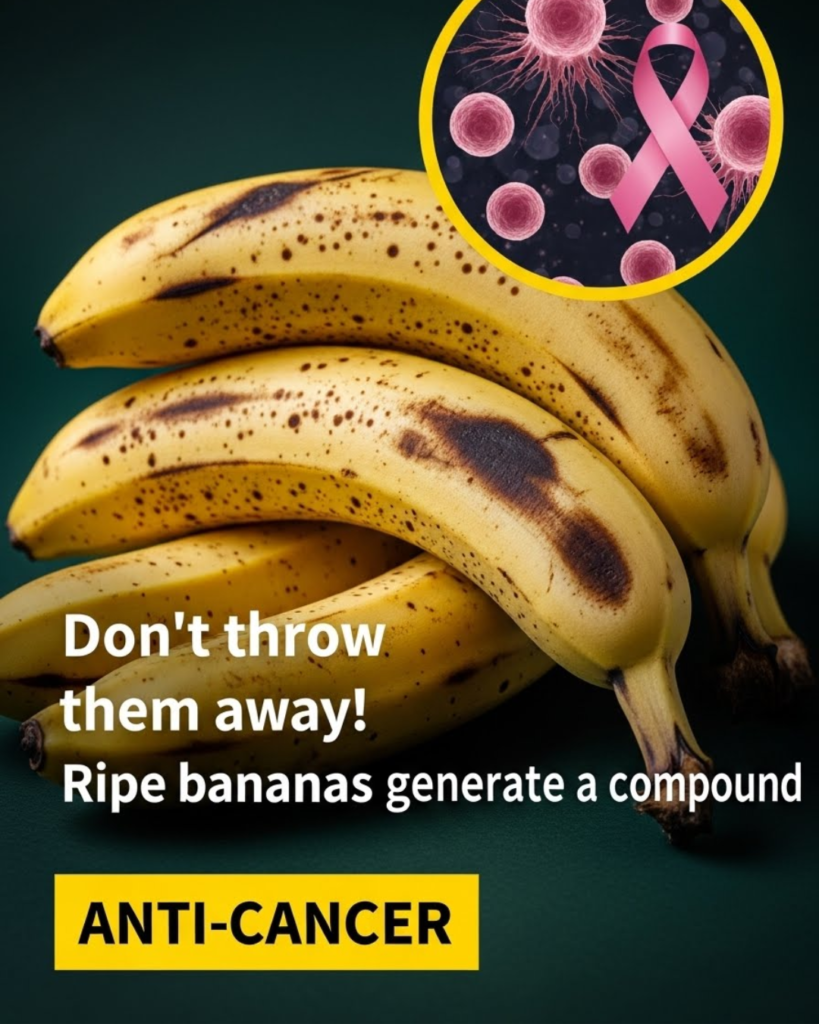
What Are the Anti-Cancer Compounds Found in Ripe Bananas?
The primary bioactive compound generating scientific interest in overripe bananas is a lectin protein that demonstrates structural and functional similarities to Tumor Necrosis Factor-alpha (TNF-α), a cytokine with established roles in immune regulation and cancer cell apoptosis. Japanese researchers first documented this phenomenon in the 1990s, observing that banana extracts from fully ripe fruit—characterized by extensive brown spotting—exhibited significantly enhanced immunostimulatory activity compared to unripe specimens.
The molecular mechanism centers on enzymatic modifications occurring during the ripening process. As bananas mature, complex carbohydrates break down into simpler sugars through amylase activity, chlorophyll degrades revealing carotenoid pigments, and critically, structural proteins undergo conformational changes that expose bioactive epitopes. This lectin, termed Banana Lectin (BanLec) in scientific literature, binds to specific carbohydrate structures on cell surfaces, triggering cascades of immunological responses.
Contemporary research has identified additional phytochemical constituents that accumulate during ripening, including dopamine metabolites, catecholamines, and phenolic compounds with documented antioxidant properties. These substances work synergistically, creating a complex matrix of bioactive molecules. The brown spots themselves—visual indicators of enzymatic browning through polyphenol oxidase activity—correlate directly with peak concentrations of these compounds.
Quantitative analysis reveals that fully ripe bananas contain approximately eight times higher levels of TNF-inducing activity compared to green, unripe fruit. This dramatic increase reflects fundamental alterations in cellular architecture as the fruit transitions from starch repository to sugar-rich, easily digestible form. The biochemical wisdom encoded in this natural process suggests evolutionary optimization for seed dispersal, yet inadvertently produces compounds with potential human health benefits.
How Does the Ripening Process Trigger Anti-Cancer Compound Formation?
The biochemical cascade underlying anti-cancer compound generation in ripening bananas represents a sophisticated example of programmed cellular senescence. This process initiates when the fruit detaches from the plant, triggering ethylene production—the gaseous hormone orchestrating ripening across numerous fruit species. Ethylene acts as molecular signal, activating transcriptional programs that fundamentally restructure cellular metabolism and composition.
At the enzymatic level, ripening involves coordinated expression of hundreds of proteins. Polygalacturonases break down cell wall pectins, softening fruit texture. Amylases convert starch reserves to soluble sugars, increasing sweetness. Simultaneously, proteolytic enzymes partially degrade storage proteins, exposing previously hidden peptide sequences. It is precisely this protease activity that appears crucial for generating the TNF-like compounds—breaking larger protein complexes into smaller, bioactive fragments.
The formation of brown spots merits particular attention. These pigmented areas result from polyphenol oxidase (PPO) enzymes catalyzing oxidation of phenolic substrates into quinones, which subsequently polymerize into brown melanin-like pigments. However, this reaction generates numerous intermediate compounds with established biological activities. Dopamine quinones, for instance, demonstrate antioxidant properties and may contribute to the overall immunomodulatory profile of overripe bananas.
Temperature, oxygen availability, and mechanical damage influence ripening kinetics dramatically. Bananas stored at ambient temperature (20-25°C) complete ripening within 5-7 days, while refrigeration arrests the process by inhibiting ethylene sensitivity. Interestingly, refrigerated bananas develop brown peels but maintain firmer internal texture—a dissociation suggesting that surface browning and internal ripening follow partially independent biochemical pathways.
Research utilizing transcriptomic analysis has mapped gene expression changes throughout ripening, revealing upregulation of stress-response genes and secondary metabolite biosynthetic pathways. This molecular reprogramming appears to enhance the fruit’s chemical defense arsenal, potentially explaining the increased bioactive compound concentrations. The evolutionary logic suggests these compounds originally served antimicrobial functions, deterring pathogen colonization as the fruit becomes more vulnerable through tissue softening.
Which Scientific Studies Support the Anti-Cancer Properties of Ripe Bananas?
The foundational research establishing anti-cancer properties of ripe bananas emerged from Japanese institutions in the mid-1990s. Iwasawa and Yamazaki published seminal work in Food Science and Technology Research (2009) demonstrating that banana extracts induced TNF production in mouse macrophages, with activity correlating directly to ripeness level. Their dose-response studies revealed that fully ripe banana extracts stimulated cytokine production at levels approaching positive control compounds, while green banana extracts showed minimal activity.
Subsequent investigations expanded this foundation. A 2013 study published in the International Journal of Cancer Research examined banana lectin’s effects on human colorectal cancer cell lines. Researchers observed significant growth inhibition and apoptosis induction in HCT-116 cells exposed to purified banana lectin, with IC50 values suggesting meaningful bioactivity at physiologically relevant concentrations. The mechanism appeared to involve lectin binding to cell surface glycoproteins, triggering intracellular signaling cascades culminating in programmed cell death.
Malaysian researchers contributed important findings regarding antioxidant capacity and antiproliferative effects. Their 2014 work in Food Chemistry quantified total phenolic content, flavonoid concentrations, and free radical scavenging activity across ripening stages. Results demonstrated progressive increases in all measured parameters, with fully ripe bananas exhibiting DPPH radical scavenging capacity approximately 120% higher than unripe specimens. When tested against MCF-7 breast cancer cells, ripe banana extracts showed concentration-dependent growth inhibition.
A comprehensive review published in Nutrition and Cancer (2016) synthesized available evidence on banana bioactive compounds and cancer prevention. The authors noted consistent patterns across multiple studies: enhanced immunomodulation, increased antioxidant activity, and direct antiproliferative effects against various cancer cell lines. However, they appropriately emphasized that most evidence derives from in vitro studies or animal models, with limited human clinical data available.
Recent work has employed more sophisticated analytical techniques. Researchers utilizing HPLC-MS have characterized the specific molecular species responsible for bioactivity, identifying particular lectin isoforms and dopamine derivatives as key contributors. Proteomic analyses reveal that ripening induces expression of numerous proteins with potential therapeutic relevance, including pathogenesis-related proteins originally evolved for plant defense but exhibiting interesting biological activities when consumed.
What Mechanisms Explain How These Compounds Affect Cancer Cells?
The anti-cancer mechanisms attributed to compounds in ripe bananas operate through multiple, interconnected pathways—reflecting the complexity inherent in natural product pharmacology. The primary mode of action centers on immune system modulation, particularly enhancement of macrophage activity and natural killer cell function. These innate immune effectors represent the body’s first-line defense against malignant transformation and established tumors.
Tumor Necrosis Factor-alpha, which the banana lectin mimics structurally, binds to specific receptors (TNFR1 and TNFR2) on cell surfaces, initiating signaling cascades with dramatically different outcomes depending on cellular context. In normal cells, TNF signaling often promotes survival and proliferation through NF-κB pathway activation. However, in cancer cells—particularly those with compromised survival pathways—TNF triggering can induce apoptosis through caspase activation. The banana-derived compounds appear to exploit this differential sensitivity.
The lectin’s carbohydrate-binding properties enable selective recognition of abnormal glycosylation patterns characteristic of malignant cells. Cancer cells frequently display altered surface glycoprotein structures resulting from dysregulated glycosyltransferase expression. Banana lectin preferentially binds these aberrant structures, potentially marking malignant cells for immune destruction while sparing normal tissue—a form of molecular discrimination with therapeutic implications.
Antioxidant mechanisms contribute significantly to cancer-preventive effects. The polyphenolic compounds accumulating during ripening—including gallocatechin, epicatechin, and dopamine derivatives—neutralize reactive oxygen species that would otherwise damage DNA, proteins, and lipids. By reducing oxidative stress, these compounds theoretically decrease mutation rates and inhibit promotion stages of carcinogenesis. Additionally, certain polyphenols directly modulate transcription factors involved in cellular proliferation and survival, including AP-1 and NF-κB.
Anti-angiogenic properties have been documented in preliminary studies. Tumor growth beyond microscopic dimensions requires neovascularization—formation of new blood vessels supplying oxygen and nutrients. Some banana-derived compounds appear to inhibit endothelial cell migration and tube formation in vitro, suggesting potential interference with angiogenic signaling. This mechanism would theoretically starve tumors of necessary vascular support, limiting growth and metastatic potential.
The synergistic interaction among multiple bioactive constituents likely exceeds the sum of individual effects. Polyphenols may enhance lectin stability, while lectins might facilitate cellular uptake of other compounds. This biochemical cooperation exemplifies why whole food effects often differ from isolated compound activities—a principle increasingly recognized in nutritional science.
How Should Ripe Bananas Be Consumed for Maximum Benefit?
Optimizing the potential health benefits of ripe banana consumption requires understanding how preparation methods, timing, and combination with other foods influence bioavailability and bioactivity of key compounds. The scientific literature provides some guidance, though definitive recommendations await more extensive human clinical trials.
Ripeness stage selection proves critical. Maximum anti-cancer compound concentrations occur when bananas display extensive brown spotting—typically 7-10 days post-harvest at room temperature. At this stage, the peel exhibits 50-90% brown pigmentation, flesh softens considerably, and sweetness reaches peak levels. While aesthetically unappealing to many consumers, this represents the optimal harvest point for therapeutic compounds. The common practice of discarding overripe bananas thus eliminates fruit at maximum bioactive potential.
Consumption methods significantly impact compound stability and absorption. Raw consumption preserves heat-sensitive compounds, particularly certain polyphenols and lectins that denature at cooking temperatures. However, gentle heating—such as brief microwave exposure or incorporation into warm (not boiling) preparations—may actually enhance bioavailability of some compounds through cell wall disruption, facilitating digestive release. Cold preparations like smoothies represent excellent delivery vehicles, especially when combined with fat sources (nuts, seeds, avocado) that enhance absorption of lipophilic phytochemicals.
Timing considerations merit attention. Consuming ripe bananas with meals containing protein may enhance amino acid availability for immune protein synthesis, potentially augmenting the immunostimulatory effects of banana lectins. Conversely, high-fat meals might slow gastric emptying, prolonging gastrointestinal exposure to bioactive compounds and potentially increasing absorption through extended transit time.
The concept of regular consumption deserves emphasis. Epidemiological studies consistently demonstrate that cancer-protective dietary patterns involve sustained, long-term intake of beneficial foods rather than sporadic consumption. The compounds in ripe bananas likely exert cumulative effects—modulating immune surveillance, providing continuous antioxidant protection, and maintaining favorable cellular signaling environments over extended periods. A reasonable approach might involve consuming one fully ripe banana daily as part of a varied, plant-rich dietary pattern.
Combination with complementary foods may produce synergistic benefits. Berries provide additional polyphenols with distinct structural characteristics, cruciferous vegetables contribute glucosinolates with independent anti-cancer mechanisms, and green tea supplies catechins that work through overlapping yet distinct pathways. This dietary diversity creates multiple layers of protective mechanisms, arguably more robust than any single food could provide.
Practical preparation strategies include: adding overripe bananas to smoothies with berries and leafy greens, mashing into oatmeal or yogurt, freezing for later use in frozen desserts, or simply consuming as-is despite unappealing appearance. The key principle involves viewing brown spots not as spoilage indicators but as visual markers of peak therapeutic potential.
What Limitations Exist in Current Research on Banana Anti-Cancer Properties?
While existing research establishes intriguing possibilities regarding anti-cancer properties of ripe bananas, significant limitations temper enthusiasm and demand careful interpretation. The majority of published studies employ in vitro methodologies—testing banana extracts against isolated cancer cell lines in laboratory culture conditions. These artificial systems, while valuable for mechanistic insights, poorly replicate the complex physiological environment of living organisms.
The translation from petri dish to human physiology involves numerous variables. Bioavailability represents a critical consideration—whether compounds demonstrating activity in vitro reach target tissues in meaningful concentrations after oral consumption. The digestive process extensively modifies ingested substances through gastric acid exposure, enzymatic degradation, and microbial metabolism in the intestinal tract. Lectins, being proteins, face potential denaturation and proteolytic digestion before absorption. While some studies suggest lectins can cross intestinal barriers intact, the efficiency and mechanisms remain incompletely characterized.
Animal model studies, though more physiologically relevant than cell culture, introduce species-specific variables that complicate human extrapolation. Rodent studies dominate the literature, yet mice and rats differ substantially from humans in terms of metabolism, immune system characteristics, and cancer biology. The doses employed in animal experiments often exceed what humans could reasonably obtain through dietary consumption, raising questions about real-world applicability.
Human clinical trials—the gold standard for establishing therapeutic efficacy—remain notably absent from the banana anti-cancer literature. No published randomized controlled trials have specifically examined whether regular ripe banana consumption influences cancer incidence, progression, or survival in human populations. Such studies would require large sample sizes, extended follow-up periods (decades for cancer prevention trials), and rigorous dietary assessment methodologies. The logistical and financial barriers to conducting definitive human trials partially explain this evidence gap.
Dose-response relationships require clarification. How many ripe bananas would someone need to consume to achieve the compound concentrations used in successful laboratory experiments? Current studies rarely address this practical consideration explicitly. Preliminary calculations suggest that bioactive compound levels used in vitro might require consuming multiple kilograms of bananas daily—clearly impractical and potentially problematic given sugar content and other nutritional considerations.
The chemical complexity of whole bananas versus isolated compounds creates interpretive challenges. Most research focuses on specific purified components—banana lectin, particular polyphenols—rather than whole fruit matrices. Yet the compounds in actual bananas exist within complex food matrices where fiber, sugars, minerals, and hundreds of other phytochemicals interact in ways that may enhance, diminish, or modify individual compound effects. This reductionist approach, while scientifically necessary for mechanistic understanding, may miss important synergistic or antagonistic interactions.
Publication bias likely skews the literature toward positive findings. Studies demonstrating anti-cancer effects receive publication more readily than negative results, creating an artificially optimistic evidence base. Additionally, most research originates from institutions in banana-producing regions with potential economic interests in promoting banana consumption, though this doesn’t invalidate findings, it suggests vigilance regarding conflicts of interest.
How Do Ripe Banana Compounds Compare to Other Natural Anti-Cancer Foods?
Contextualizing ripe banana bioactivity within the broader landscape of cancer-preventive foods provides important perspective. Numerous plant-based foods contain compounds with documented anti-cancer properties, operating through diverse mechanisms and varying in potency. Understanding these comparisons helps establish realistic expectations and optimize dietary strategies.
Cruciferous vegetables—including broccoli, cauliflower, and Brussels sprouts—contain glucosinolates that metabolize into isothiocyanates with robust anti-cancer activities. Sulforaphane, derived from broccoli, demonstrates particularly impressive effects across multiple cancer types through mechanisms including histone deacetylase inhibition and Nrf2 pathway activation. The evidence supporting cruciferous vegetables spans extensive epidemiological data, animal studies, and limited human trials—generally more comprehensive than banana research.
Berries provide diverse polyphenolic compounds, particularly anthocyanins and ellagitannins, with well-characterized anti-cancer properties. Blueberries, strawberries, and blackberries demonstrate strong antioxidant activities and anti-proliferative effects against various cancer cell lines. Some berry compounds, like ellagic acid, undergo microbial metabolism in the gut to produce urolithins with enhanced bioactivity. The berry evidence base includes human intervention studies showing favorable modulation of cancer biomarkers.
Allium vegetables—garlic and onions—contain organosulfur compounds with anti-cancer mechanisms including DNA repair enhancement, cell cycle arrest, and apoptosis induction. Epidemiological studies consistently associate higher allium consumption with reduced risk of several cancer types, particularly gastric and colorectal cancers. The mechanistic understanding of allium compounds appears more developed than for banana constituents.
Green tea’s catechins, especially epigallocatechin gallate (EGCG), have generated enormous research interest. Thousands of publications document anti-cancer effects through multiple pathways including angiogenesis inhibition, metastasis suppression, and direct effects on cancer cell signaling. Some human clinical trials suggest modest benefits, though results remain mixed. Green tea research substantially exceeds banana investigations in scope and rigor.
Turmeric’s curcumin demonstrates extensive anti-cancer properties through effects on hundreds of molecular targets. Despite impressive laboratory results, bioavailability challenges limit clinical efficacy unless curcumin is formulated with absorption enhancers. This illustrates how promising in vitro activity doesn’t automatically translate to therapeutic benefit—a lesson applicable to banana compounds.
Comparing potency proves challenging due to methodological differences across studies. When standardized to equivalent concentrations, banana lectin shows anti-proliferative activities generally lower than purified compounds from sources like cruciferous vegetables or turmeric, but comparable to many other fruit and vegetable extracts. The unique TNF-like immunomodulatory mechanism distinguishes banana compounds from most other dietary phytochemicals, suggesting potential complementary rather than redundant effects.
The practical advantage of bananas lies in palatability, convenience, and year-round availability. Unlike some therapeutic foods with challenging flavors or preparation requirements, ripe bananas offer pleasant taste and immediate consumability. This accessibility might translate to better dietary adherence compared to less palatable options, though this hypothesis requires empirical testing.
What Future Research Directions Could Clarify Therapeutic Potential?
Advancing understanding of ripe banana anti-cancer properties requires strategic research initiatives addressing current knowledge gaps through methodologically rigorous investigations. Several priority areas emerge from critical analysis of existing literature limitations.
Human bioavailability studies represent immediate necessity. Researchers should conduct pharmacokinetic investigations tracking banana-derived compound absorption, distribution, metabolism, and excretion in human subjects. Such studies would employ sensitive analytical techniques—mass spectrometry, for instance—to detect banana lectins, specific polyphenols, and dopamine derivatives in blood, urine, and potentially tumor tissue samples. These investigations would establish whether dietary banana consumption achieves tissue concentrations sufficient for therapeutic effects demonstrated in vitro.
Dose-response relationships require systematic characterization through carefully designed clinical trials. Phase I and II studies could examine different banana consumption levels—from one to four ripe bananas daily—measuring immune system parameters, oxidative stress markers, and inflammatory mediators. Identifying optimal doses balancing therapeutic potential against practical constraints would guide dietary recommendations.
Large-scale epidemiological investigations could establish whether populations with high ripe banana consumption demonstrate different cancer incidence patterns. Prospective cohort studies tracking dietary habits and health outcomes over decades would provide crucial evidence regarding real-world protective effects. Challenges include accurately assessing banana ripeness in dietary recall instruments and accounting for numerous confounding variables in observational research.
Mechanistic studies employing modern molecular techniques could elucidate precise signaling pathways affected by banana compounds. Transcriptomic profiling of cells exposed to banana extracts would reveal gene expression changes, while proteomic analyses would characterize protein-level effects. Identifying specific molecular targets would enable rational optimization of banana-based interventions and potentially guide development of concentrated extracts or supplements.
Comparative effectiveness research could position banana compounds within broader cancer prevention strategies. Head-to-head comparisons with other dietary interventions would establish relative potency and identify potential synergistic combinations. Such studies might examine whether ripe bananas enhance chemotherapy efficacy or radiation therapy outcomes—possibilities suggested by immunomodulatory mechanisms but entirely untested clinically.
Processing and formulation studies could develop banana-based products with enhanced bioactivity or bioavailability. Research might explore optimal extraction methods preserving bioactive compounds, formulation with absorption enhancers, or combination with complementary ingredients. The goal would involve creating evidence-based functional foods maximizing therapeutic potential while maintaining palatability and convenience.
Agricultural research could identify banana cultivars with enhanced anti-cancer compound production. Screening diverse banana varieties for lectin content, polyphenol profiles, and bioactivity would enable selection of superior cultivars. Understanding genetic and environmental factors influencing bioactive compound accumulation might guide cultivation practices optimizing therapeutic properties.
Important Disclaimer: This article is for informational purposes only and should not replace professional advice. For health-related topics, consult healthcare providers. Individual results may vary, and personal circumstances should always be considered when implementing any suggestions. Banana consumption should not replace evidence-based cancer screening, prevention strategies, or treatments recommended by qualified medical professionals.
Conclusion: Integrating Scientific Understanding with Practical Application
The investigation into anti-cancer compounds in ripe bananas illuminates fascinating intersections of food science, immunology, and oncology. Current evidence establishes that enzymatic transformations during ripening generate bioactive substances—particularly TNF-like lectins and polyphenolic antioxidants—with documented effects on cancer cells and immune function in laboratory settings. These findings challenge conventional attitudes toward overripe fruit while demonstrating how sophisticated analytical techniques continue revealing therapeutic dimensions in familiar foods.
However, translating laboratory observations into practical health recommendations requires appropriate scientific caution. The evidence base, while intriguing, remains predominantly confined to in vitro studies and animal models. Human clinical trials demonstrating actual cancer prevention or treatment benefits through banana consumption remain absent from scientific literature. The bioavailability questions, dose-response uncertainties, and mechanistic gaps demand additional research before definitive therapeutic claims achieve justification.
Nevertheless, incorporating fully ripe bananas into diverse, plant-rich dietary patterns aligns with established nutritional principles emphasizing whole food consumption and phytochemical variety. The compounds in overripe bananas represent one component within the complex matrix of protective substances found throughout the plant kingdom. Rather than viewing bananas as singular cancer-preventing foods, they merit recognition as valuable contributors to the cumulative protective effects achieved through varied, sustained consumption of minimally processed plant foods.
The brown-spotted banana—frequently discarded as past prime—thus emerges as potentially valuable rather than waste-bound. Whether ultimately proven to possess clinically significant anti-cancer properties or not, this research reminds us that nature’s biochemical sophistication often exceeds our assumptions, and that conventional wisdom regarding food quality sometimes warrants scientific reexamination. The transformation from rejected produce to research subject illustrates how interdisciplinary scientific inquiry continues expanding our understanding of the remarkable therapeutic potential residing within everyday foods.