Discover how Eat for Emotional Balance: The Science Behind Anxiety-Reducing Foods can help calm your mind, stabilize mood, and build lasting emotional resilience naturally.
Do you ever feel like your mind is racing even when nothing is “wrong”? Your heart beats faster, your thoughts spiral, and your body feels tense for no clear reason. Anxiety has become one of the most common emotional challenges of modern life—and yet, one powerful tool is often overlooked: your plate.
What if emotional balance wasn’t only about meditation apps or therapy sessions? What if part of the answer was already sitting in your kitchen?
In this guide, you will discover how Eat for Emotional Balance: The Science Behind Anxiety-Reducing Foods can gently support your nervous system, stabilize your mood, and help you feel more grounded every day. We are not talking about extreme diets or unrealistic restrictions. Instead, you’ll learn simple, sustainable shifts that nourish both your brain and body.
Let’s explore how food can become one of your most powerful emotional allies.
Important Disclaimer: This article is for informational purposes only and should not replace professional medical advice. If you experience persistent or severe anxiety, consult a qualified healthcare provider. Individual needs and responses may vary.
Section 1: The Hidden Link Between Food and Your Mood
Most people think anxiety starts in the mind. But biologically, it often starts much deeper.
Your brain relies on a constant supply of nutrients to produce neurotransmitters like serotonin, dopamine, and GABA—chemicals that regulate calmness, motivation, and emotional stability. Without the right building blocks, your nervous system becomes more reactive.
When blood sugar swings wildly or when your body lacks key nutrients, your stress hormone (cortisol) rises. This can create symptoms that feel exactly like anxiety: shakiness, irritability, racing thoughts, and fatigue.
Eating for emotional balance is not about “comfort food.” It is about stabilizing the biological systems that influence how safe and steady you feel throughout the day.
H3: Anxiety Is a Full-Body Experience
Anxiety isn’t just mental—it’s hormonal, neurological, and inflammatory. Your gut, immune system, and endocrine system are all involved. When one area is out of balance, your mood often follows.
H3: Food as Nervous System Support
Certain foods calm the nervous system by supporting neurotransmitter production and reducing inflammation. Others overstimulate it. Learning the difference is empowering.
Section 2: Your Step-by-Step Emotional Balance Plate Blueprint
If you want to eat for emotional balance, structure matters more than restriction.
Here’s how to build a plate that supports calm energy:
Morning: Stabilize First
Protein at breakfast is essential. Eggs, Greek yogurt, nuts, or seeds help prevent blood sugar crashes that can trigger mid-morning anxiety.
Pair protein with fiber-rich carbohydrates like oats or whole-grain toast to maintain steady glucose levels.
Afternoon: Prevent the Crash
Instead of reaching for sugar or ultra-processed snacks, choose balanced options:
- Apple with almond butter
- Hummus with vegetables
- A handful of nuts and berries
Stable blood sugar equals stable mood.
Evening: Calm and Restore
Include magnesium-rich foods like leafy greens, pumpkin seeds, or legumes. These help relax muscles and support better sleep, which directly impacts anxiety levels.
Eating consistently throughout the day prevents your body from entering “stress mode.”
Section 3: The Gut-Brain Axis – Your Second Brain at Work
Did you know that a large percentage of serotonin is produced in your gut?
Your digestive system communicates directly with your brain through the gut-brain axis. When your gut microbiome is balanced, it produces beneficial compounds that support mood regulation.
H3: Feed Your Good Bacteria
Prebiotic foods like garlic, onions, oats, and bananas nourish beneficial bacteria.
Probiotic foods such as yogurt with live cultures, kefir, sauerkraut, and kimchi introduce helpful strains that may support emotional balance.
H3: Reduce Gut Stressors
Highly processed foods, excess sugar, and artificial additives may disrupt gut balance. Reducing these can gradually improve both digestion and mood stability.
A healthy gut is not a trend—it is a foundational pillar of emotional wellness.
Section 4: Nutrients That Naturally Reduce Anxiety
Some nutrients play a particularly powerful role in calming the nervous system.
Magnesium – The Relaxation Mineral
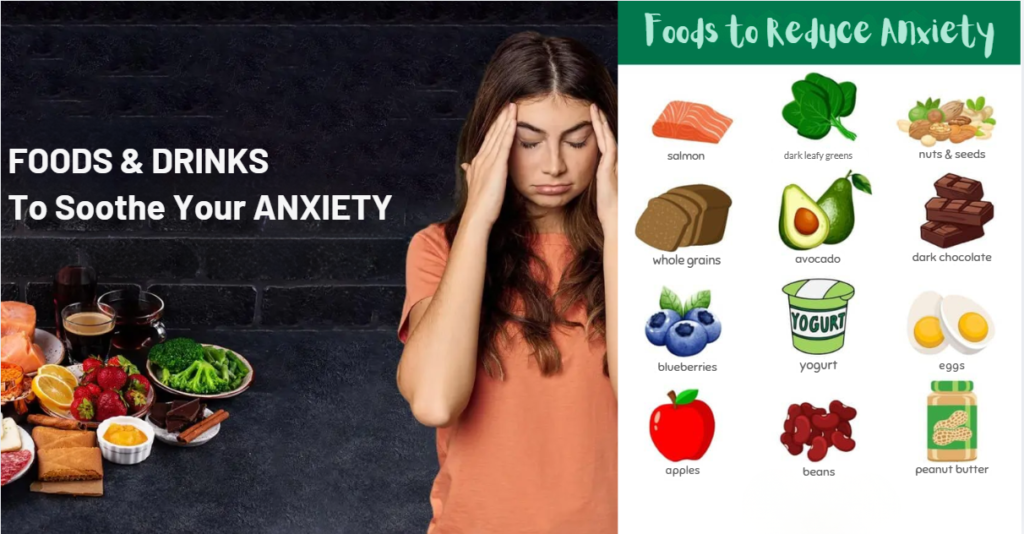
Magnesium helps regulate the stress response and supports GABA, your brain’s calming neurotransmitter. Found in spinach, almonds, and dark chocolate, it is often under-consumed.
Omega-3 Fatty Acids – Brain Protectors
Fatty fish like salmon and sardines contain omega-3s that reduce inflammation and support brain cell communication.
B Vitamins – Mood Stabilizers
B6, B12, and folate are essential for neurotransmitter production. Whole grains, eggs, legumes, and leafy greens are rich sources.
Think of these nutrients as emotional building blocks. Without them, your resilience weakens.
Section 5: Blood Sugar Balance – The Silent Anxiety Trigger
One of the most underestimated anxiety triggers is unstable blood sugar.
When you eat refined carbohydrates alone, glucose spikes rapidly. Shortly after, it crashes. That crash triggers adrenaline and cortisol—the same hormones activated during stress.
The result? You feel anxious, shaky, and irritable.
H3: The Balanced Formula
Always combine:
- Protein
- Healthy fats
- Fiber-rich carbohydrates
This trio slows digestion and creates sustained energy instead of emotional turbulence.
Balanced blood sugar equals predictable energy and calmer thoughts.
Section 6: Foods That Increase Anxiety (Without You Realizing)
Just as some foods support calm, others may amplify anxiety.
Excess Caffeine
High caffeine intake stimulates the sympathetic nervous system. For sensitive individuals, even moderate amounts can increase heart rate and nervousness.
Highly Processed Sugars
Frequent sugar spikes intensify inflammation and destabilize mood regulation.
Ultra-Processed Foods
These often lack fiber and micronutrients while promoting inflammatory pathways.
This doesn’t mean elimination—it means awareness. Small reductions can produce noticeable changes in emotional steadiness.
Section 7: Emotional Eating vs. Emotional Nourishing
There is a difference between eating to numb emotions and eating to support them.
Emotional eating often involves high-sugar or high-fat foods consumed quickly and unconsciously.
Emotional nourishing is intentional. It asks:
- Will this stabilize me or spike me?
- Will this support calm energy?
H3: Mindful Eating Practice
Slow down. Chew thoroughly. Notice textures and flavors. Eating mindfully improves digestion and reduces stress signaling.
When you eat with awareness, your body responds differently.
Section 8: Creating a Sustainable Emotional Wellness Lifestyle
Eating for emotional balance is not a short-term fix. It is a lifestyle pattern.
Build Consistency, Not Perfection
You do not need to eat perfectly to benefit. Focus on consistency across weeks and months.
Prioritize Sleep
Nutrition and sleep work together. Poor sleep increases cravings and cortisol levels, undermining your efforts.
Reduce Inflammation Gradually
Add more whole foods before obsessing over eliminating everything “bad.” Addition often works better than restriction.
The goal is emotional resilience—not dietary rigidity.
Conclusion: Your Calm Begins on the Plate
You now understand the deeper truth behind Eat for Emotional Balance: The Science Behind Anxiety-Reducing Foods.
Anxiety is not only psychological—it is biological. Your gut, hormones, blood sugar, and nutrient levels all shape how steady you feel. By stabilizing meals, prioritizing key nutrients, and reducing inflammatory triggers, you create an internal environment where calm can thrive.
Start small:
- Add protein to breakfast.
- Include leafy greens daily.
- Swap sugary snacks for balanced options.
These simple shifts compound over time.
You do not need a radical transformation. You need steady nourishment.
Your emotional balance is not out of reach. It may begin with your very next meal.