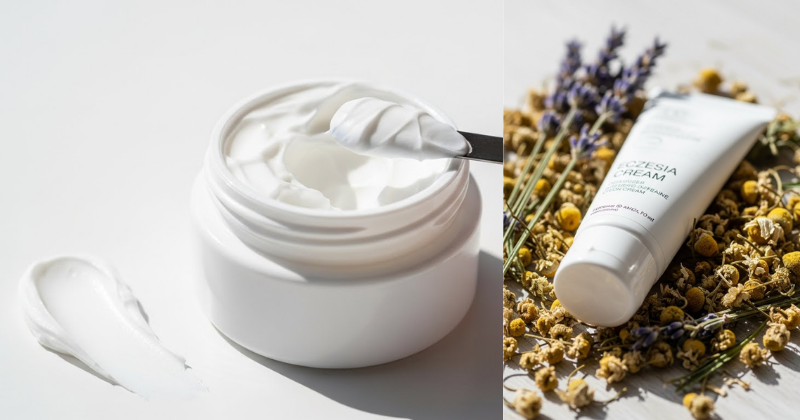
Eczema cream represents a cornerstone therapeutic intervention for atopic dermatitis management, addressing the complex pathophysiology underlying this chronic inflammatory skin condition. Understanding the mechanisms by which topical formulations modulate barrier dysfunction, immune dysregulation, and inflammatory cascades empowers individuals to select evidence-based treatments that restore cutaneous homeostasis while minimizing adverse effects associated with prolonged corticosteroid dependency.
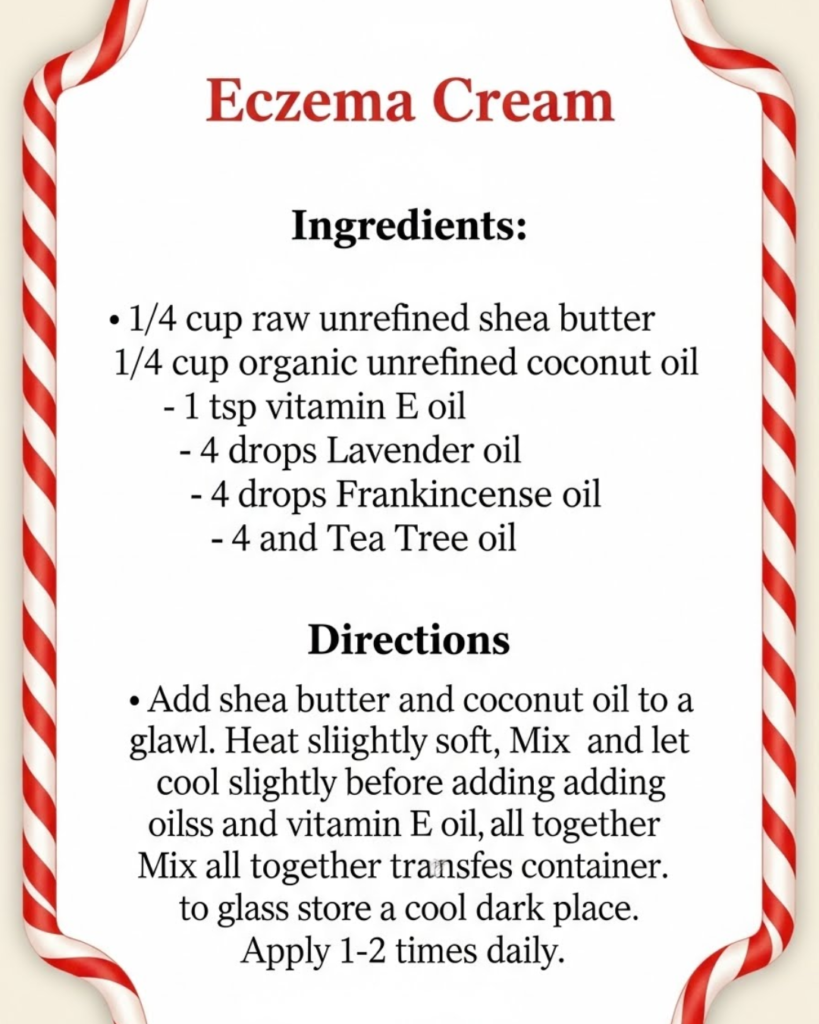
La Pathophysiologie de l’Eczéma : Fondements Biologiques et Immunologiques
Atopic dermatitis, commonly termed eczema, manifests through multifactorial mechanisms involving genetic predisposition, epidermal barrier disruption, immune system dysregulation, and environmental trigger interactions. Comprehending these underlying processes proves essential for rational therapeutic selection.
Dysfonction de la Barrière Épidermique : Le Défaut Structurel Primaire
The stratum corneum, skin’s outermost layer, functions as selective permeability barrier preventing transepidermal water loss (TEWL) while excluding allergens, irritants, and microbial pathogens. In eczema, filaggrin mutations—present in approximately 30% of patients with moderate-to-severe atopic dermatitis—compromise this barrier through reduced natural moisturizing factor production and abnormal corneocyte structure.
Research published in the Journal of Allergy and Clinical Immunology demonstrates that filaggrin deficiency increases skin pH, disrupting lipid lamellae organization and serine protease activity. This cascade impairs antimicrobial peptide function while facilitating penetration of allergenic proteins that trigger subsequent immune activation. The compromised barrier additionally reduces ceramide concentrations, particularly ceramide 1 and 3, essential lipids maintaining intercellular cohesion and water retention.
Dérèglement Immunitaire : Activation des Voies Th2
Eczematous skin exhibits pronounced type 2 helper T-cell (Th2) polarization, characterized by elevated interleukin-4 (IL-4), interleukin-13 (IL-13), and interleukin-31 (IL-31) expression. These cytokines suppress antimicrobial peptide production, downregulate filaggrin synthesis, and promote IgE-mediated hypersensitivity reactions.
Chronic lesions additionally demonstrate Th1 and Th22 pathway activation, creating complex inflammatory milieu involving interferon-gamma (IFN-γ) and interleukin-22 (IL-22). This immune complexity explains variable treatment responses and necessitates multifaceted therapeutic approaches addressing both barrier repair and immune modulation.
Le Microbiome Cutané : Dysbiose et Colonisation Pathogène
Eczematous skin displays reduced microbial diversity with Staphylococcus aureus colonization in 70-90% of lesional skin compared to 5-30% in healthy individuals. S. aureus produces toxins functioning as superantigens that activate T-cells non-specifically, perpetuating inflammation while biofilm formation impedes antimicrobial penetration and promotes persistent colonization.
Recent microbiome research reveals that specific commensal species including Roseomonas mucosa demonstrate therapeutic potential through competitive exclusion of pathogens and production of anti-inflammatory metabolites.
Catégories Thérapeutiques : Taxonomie des Traitements Topiques
Eczema creams encompass diverse pharmacological classes, each targeting distinct pathophysiological mechanisms through specific molecular interactions and cellular effects.
Corticostéroïdes Topiques : Puissance et Stratification
Topical corticosteroids remain first-line anti-inflammatory agents, classified by potency from Class I (superpotent) to Class VII (least potent) based on vasoconstriction assays. These compounds bind cytoplasmic glucocorticoid receptors, translocating to nucleus where they suppress inflammatory gene transcription through multiple mechanisms including AP-1 and NF-κB pathway inhibition.
Hydrocortisone (Class VI-VII) suits facial and intertriginous application with minimal atrophy risk, while triamcinolone acetonide (Class IV-V) addresses trunk and extremity lesions. Clobetasol propionate (Class I) reserves for severe, recalcitrant plaques requiring intensive but time-limited intervention. Proper potency selection balances efficacy against adverse effects including skin atrophy, striae, telangiectasia, and hypothalamic-pituitary-adrenal axis suppression with extensive application.
Inhibiteurs de la Calcineurine : Immunomodulation Non-Stéroïdienne
Tacrolimus and pimecrolimus represent topical calcineurin inhibitors (TCIs) that suppress T-cell activation through calcineurin-NFAT pathway blockade, reducing inflammatory cytokine synthesis without corticosteroid-associated adverse effects. These agents particularly suit sensitive skin areas including face, eyelids, and genitals where steroid atrophy risk proves highest.
Tacrolimus demonstrates superior efficacy compared to pimecrolimus due to greater lipophilicity and deeper tissue penetration. Initial application often produces transient burning sensation—affecting 40-60% of users—that typically resolves within one week as barrier function improves. TCIs avoid tachyphylaxis observed with prolonged corticosteroid use, making them valuable for maintenance therapy.
Inhibiteurs de la PDE4 : Mécanisme Anti-Inflammatoire Émergent
Crisaborole, a phosphodiesterase-4 (PDE4) inhibitor, increases intracellular cyclic AMP concentrations, subsequently reducing inflammatory mediator production including TNF-α, IL-2, and interferon-gamma. Approved for mild-to-moderate atopic dermatitis in patients aged three months and older, this non-steroidal option demonstrates favorable safety profile with minimal systemic absorption.
Clinical trials show approximately 30-50% of patients achieving treatment success (defined as clear or almost clear skin) after 28 days of twice-daily application. The modest efficacy compared to mid-potency corticosteroids positions crisaborole as maintenance therapy or steroid-sparing alternative rather than acute flare management.
Émollients Thérapeutiques : Restauration de la Barrière Lipidique
While not traditionally classified as “creams” in pharmaceutical sense, therapeutic moisturizers constitute essential eczema management through barrier repair and inflammation prevention. Advanced formulations incorporate specific lipid ratios mimicking healthy stratum corneum composition, including ceramides, cholesterol, and free fatty acids in approximate 3:1:1 molar ratios.
Ingredients such as petrolatum, dimethicone, and glycerin provide occlusive and humectant properties, while niacinamide demonstrates anti-inflammatory effects through ceramide synthesis stimulation and cytokine modulation. Regular emollient application—ideally within three minutes post-bathing—reduces corticosteroid requirements by 50% in maintenance protocols.
Formulation et Excipients : Composition Galénique Optimale
Cream formulation significantly influences therapeutic efficacy through effects on drug penetration, stability, tolerability, and patient adherence.
Systèmes d’Émulsion : Huile-dans-Eau versus Eau-dans-Huile
Oil-in-water (O/W) emulsions, constituting most commercial eczema creams, disperse lipophilic active ingredients in aqueous continuous phase, creating lighter texture that spreads easily and absorbs quickly. This formulation suits daytime application and warmer climates but provides less occlusion compared to water-in-oil (W/O) systems.
W/O formulations—technically “ointments” despite cream-like consistency—offer superior occlusive properties, enhancing drug penetration while preventing transepidermal water loss more effectively. The greasier texture limits acceptability but proves valuable for severe xerosis and nocturnal application when cosmetic elegance matters less.
Agents de Pénétration et Promoteurs d’Absorption
Formulations incorporate penetration enhancers including propylene glycol, urea, and α-hydroxy acids that temporarily disrupt stratum corneum organization, facilitating active ingredient delivery to viable epidermis. However, these excipients may irritate compromised eczematous skin, necessitating careful concentration optimization—typically 5-10% urea provides keratolytic benefits without excessive irritation.
Liposomal and nanoparticle delivery systems represent advanced approaches encapsulating active ingredients in lipid vesicles or polymeric nanocarriers, improving skin penetration while reducing systemic absorption and potentially enhancing therapeutic index.
Conservateurs et Sensibilisateurs Potentiels
Preservatives prevent microbial contamination in water-containing formulations but represent common contact sensitizers. Methylisothiazolinone (MI), methylchloroisothiazolinone (MCI), and formaldehyde-releasing preservatives frequently cause allergic contact dermatitis overlaying atopic dermatitis, complicating clinical picture.
Fragrance components, including natural essential oils marketed as “gentle” alternatives, contain multiple allergenic compounds such as limonene, linalool, and geraniol. Truly hypoallergenic formulations avoid these additives, using alternative preservation strategies like airless pump packaging or high glycerin concentrations creating hostile environment for microbial growth.
Protocoles d’Application : Optimisation de l’Efficacité Thérapeutique
Proper application technique and timing significantly influence treatment outcomes, maximizing drug delivery while minimizing adverse effects.
La Technique du “Soak and Seal” : Hydratation Maximale
This evidence-based protocol optimizes barrier repair through sequential steps. Begin with 5-10 minute lukewarm bath (avoiding hot water that increases TEWL), using gentle syndets (synthetic detergents) with neutral-to-acidic pH rather than alkaline soaps that disrupt skin pH and lipid structure.
Pat skin gently—leaving slightly damp—then immediately apply prescribed eczema cream to affected areas. Follow within three minutes with generous emollient application to entire body surface, sealing moisture while the stratum corneum remains hydrated. This “soak and seal” approach increases corneocyte hydration by 300-400% compared to cream application on dry skin.
Stratégies de Dilution et d’Intensification Progressive
For pediatric patients or individuals with steroid phobia, gradual potency escalation builds confidence while assessing minimum effective concentration. Begin with lowest effective potency, increasing only if inadequate response after appropriate trial period (typically 2 weeks for mild-moderate potency steroids).
Conversely, dilution of high-potency corticosteroids—mixing with emollient base—allows customized potency reduction but risks uneven drug distribution. Pharmaceutical compounding services offer precise dilution when intermediate potencies prove unavailable or cost-prohibitive.
Proactive Therapy : Prévention des Rechutes
Once acute inflammation resolves, proactive (maintenance) therapy involves applying anti-inflammatory agents (typically TCIs or low-potency corticosteroids) twice weekly to previously affected areas, even when asymptomatic. Meta-analyses demonstrate this strategy reduces flare frequency by 60-70% compared to reactive treatment alone.
This approach exploits subclinical inflammation persistence—histological studies reveal inflammatory infiltrates in clinically normal-appearing skin of eczema patients. Intermittent anti-inflammatory application suppresses this subclinical activity, preventing progression to overt flares.
Considérations Spéciales : Populations et Situations Particulières
Certain demographic groups and clinical scenarios require modified therapeutic approaches accounting for age-related pharmacokinetics, comorbidities, and special physiological states.
Pédiatrie : Vulnérabilités Développementales
Infant skin demonstrates higher surface area-to-body weight ratio, thinner stratum corneum, and increased hydration—factors increasing percutaneous absorption up to tenfold compared to adults. This enhanced penetration elevates systemic exposure risk, particularly with potent corticosteroids applied to extensive body surface areas.
Select low-to-mid potency preparations for pediatric use, limiting high-potency agents to brief courses (5-7 days) on recalcitrant areas. Avoid occlusive dressings that dramatically increase absorption. Monitor growth parameters with extensive or prolonged corticosteroid application, though clinically significant growth suppression remains rare with appropriate use.
Grossesse et Allaitement : Sécurité Fœtale et Néonatale
Pregnant women with eczema require careful therapeutic selection balancing maternal symptom control against potential fetal effects. Low-to-moderate potency corticosteroids demonstrate minimal systemic absorption and extensive safety data across all trimesters, making them first-line choices.
TCIs carry theoretical concerns due to systemic immunosuppression seen with oral formulations, though topical application produces negligible blood levels. Limited human pregnancy data suggests safety, but many practitioners reserve TCIs for situations where corticosteroids prove inadequate. Crisaborole demonstrates minimal systemic absorption but lacks extensive pregnancy outcome data.
Eczéma Infecté : Antimicrobiens Topiques et Systémiques
Secondary bacterial infection—suggested by honey-colored crusting, weeping, pustules, or failure to respond to appropriate anti-inflammatory therapy—requires antimicrobial intervention. While topical antibiotics (mupirocin, fusidic acid) suit localized infection, widespread involvement or systemic symptoms necessitate oral antibiotics targeting S. aureus, typically cephalexin or dicloxacillin.
Bleach baths (0.005% sodium hypochlorite—approximately 1/2 cup household bleach per full bathtub) twice weekly reduce S. aureus burden through antimicrobial effect while potentially modulating immune responses. This adjunctive intervention reduces infection frequency and may decrease overall corticosteroid requirements.
Approches Complémentaires : Stratégies Intégratives
Evidence-based complementary interventions enhance conventional eczema cream efficacy while addressing multiple pathophysiological mechanisms simultaneously.
Photothérapie : Modulation Immunitaire par les UV
Narrowband UVB (311-313nm) phototherapy demonstrates efficacy for moderate-to-severe eczema through multiple mechanisms including T-cell apoptosis induction, vitamin D synthesis promotion, and antimicrobial peptide upregulation. Typically administered 2-3 times weekly in clinical settings, this modality reduces topical medication requirements while providing systemic benefits.
Combination with topical therapy creates synergistic effects—phototherapy addresses widespread inflammation while creams manage residual focal areas. However, phototherapy requires specialized equipment, regular clinic visits, and carries long-term photoaging and potential malignancy risks requiring informed decision-making.
Modification Environnementale : Réduction des Déclencheurs
Identifying and minimizing environmental triggers complements topical therapy, reducing inflammatory burden and flare frequency. Common triggers include dust mite allergens (managed through allergen-impermeable bedding encasements and weekly hot-water laundering), harsh detergents (replaced with fragrance-free, dye-free alternatives), and temperature extremes (addressed through appropriate clothing and humidity control).
Patch testing identifies contact allergens in patients with atypical distribution, poor treatment response, or adult-onset eczema—scenarios suggesting allergic contact dermatitis component. Common culprits include nickel, fragrances, preservatives, and topical medications themselves.
Approches Nutritionnelles : Modulation Inflammatoire Systémique
While food allergies rarely cause isolated eczema, they exacerbate symptoms in subset of patients, particularly young children with moderate-to-severe disease. Elimination diets require professional guidance to prevent nutritional deficiencies while identifying true triggers through structured elimination and controlled reintroduction.
Omega-3 fatty acid supplementation demonstrates modest anti-inflammatory effects through eicosanoid modulation, though clinical trials show variable results. Probiotic supplementation, particularly with Lactobacillus strains, may provide preventive benefits during pregnancy and early infancy, though treatment efficacy for established eczema remains inconsistent.
Conclusion
Eczema cream selection and application represent critical components within comprehensive atopic dermatitis management, requiring understanding of complex pathophysiology, therapeutic mechanisms, formulation science, and individualized protocol optimization. The diverse pharmacological options—from traditional corticosteroids to novel PDE4 inhibitors and therapeutic moisturizers—address distinct aspects of barrier dysfunction and immune dysregulation characterizing this chronic condition. Optimal outcomes emerge from strategic combination of appropriate topical agents with complementary interventions including phototherapy, environmental modification, and proactive maintenance protocols, all implemented within framework of patient education and shared decision-making. Current research continues elucidating mechanistic nuances while developing targeted biologics and small molecules that promise enhanced efficacy with improved safety profiles, though topical therapies remain foundational interventions offering accessible, cost-effective symptom control for millions affected by this prevalent inflammatory dermatosis.
Important Disclaimer: This article is for informational purposes only and should not replace professional advice. For health-related topics, consult healthcare providers. Individual results may vary, and personal circumstances should always be considered when implementing any suggestions.