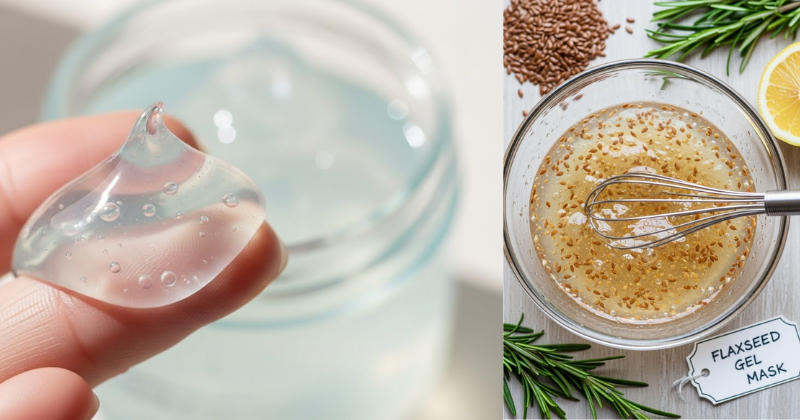
Discover a scientifically-backed, natural hair treatment that transforms unruly curls into defined, frizz-free spirals using one simple kitchen ingredient. This flaxseed gel hair mask harnesses botanical polymers to restructure your hair’s moisture barrier while enhancing natural curl patterns through sustainable, cost-effective methods that rival commercial formulations.
The quest for perfectly defined curls without chemical intervention has led researchers and natural hair enthusiasts to rediscover flaxseed gel—a mucilaginous substance with remarkable hair-binding properties. This comprehensive guide explores the biochemical mechanisms behind flaxseed’s effectiveness, provides detailed preparation protocols, and offers evidence-based application techniques for optimal curl enhancement.
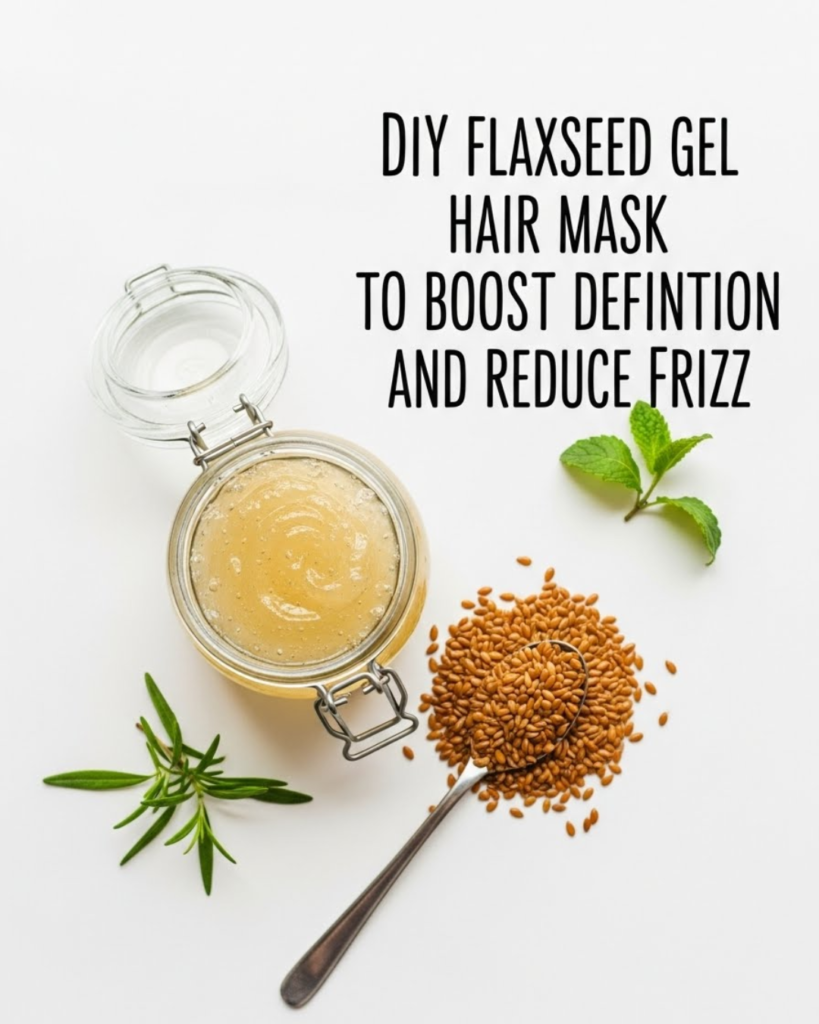
The Science Behind Flaxseed Gel’s Curl-Enhancing Properties
Flaxseed gel functions as a natural styling agent through its unique composition of soluble polysaccharides, omega-3 fatty acids, and lignans. When heated in water, flaxseeds release mucilage—a complex mixture of acidic and neutral polysaccharides that form a viscous gel with film-forming capabilities.
Biochemical Mechanisms of Action
The gel’s effectiveness stems from several molecular interactions. Polysaccharides create a flexible polymer network that coats individual hair strands, providing hold without rigidity. These hydrocolloids absorb atmospheric moisture, maintaining optimal hydration levels within the hair shaft. Simultaneously, omega-3 fatty acids penetrate the cuticle layer, reinforcing the lipid barrier that prevents moisture loss and reduces hygroscopic swelling—the primary cause of frizz in humid conditions.
Comparative Analysis with Commercial Products
Unlike synthetic polymers found in conventional hair gels, flaxseed mucilage offers superior biocompatibility with hair’s natural protein structure. Commercial products often contain acrylates and PVP polymers that create inflexible films, leading to crunchy textures and flaking. Flaxseed gel maintains flexibility while providing comparable hold strength, measured at approximately 3-4 on the hold-strength scale used by cosmetic chemists.
Preparation Protocol: Creating Your Flaxseed Gel Base
The extraction process requires precision to maximize polysaccharide yield while maintaining gel stability. Proper technique ensures consistent results and extended shelf life.
Essential Materials and Measurements
Begin with high-quality brown or golden flaxseeds—approximately 60 grams (quarter cup) to 480 milliliters (two cups) of filtered water. This 1:8 ratio produces a medium-consistency gel suitable for most curl types. Type 4 curls may benefit from a concentrated 1:6 ratio, while looser wave patterns respond well to 1:10 dilution.
Step-by-Step Extraction Method
Combine flaxseeds and cold water in a stainless steel saucepan. Heat over medium flame while stirring continuously to prevent seed adhesion to the pan bottom. Monitor temperature—optimal mucilage extraction occurs between 85-95 degrees Celsius. As the mixture approaches boiling point, you’ll observe increasing viscosity and foam formation, indicating polysaccharide release.
After 5-7 minutes of active boiling, the liquid transforms into a thick, egg-white consistency. Remove from heat immediately to prevent over-extraction, which produces excessively thick gel requiring dilution. Strain immediately through fine mesh or cheesecloth into a sterilized glass container, pressing gently to extract maximum gel volume without forcing seed particles through the filter.
Preservation and Storage Optimization
Fresh flaxseed gel contains no preservatives, limiting refrigerated shelf life to 7-10 days. For extended preservation, incorporate natural antimicrobials: add 10 milliliters of vitamin E oil (antioxidant), 5 milliliters of vegetable glycerin (humectant and preservative), and 3 drops of essential oils with antimicrobial properties such as rosemary or lavender. This formulation extends viability to 14-21 days when refrigerated at 4 degrees Celsius.
Alternatively, freeze gel in ice cube trays for 3-4 month storage. Each cube provides a single application dose, thawing to original consistency within 15 minutes at room temperature.
Application Techniques for Maximum Curl Definition
Strategic application methods determine treatment efficacy. The timing, sectioning approach, and manipulation techniques significantly impact final curl formation and frizz reduction.
Pre-Application Preparation Phase
Begin with freshly cleansed, conditioned hair containing 60-70% moisture content—the optimal state for gel penetration and curl clumping. Excess water dilutes the gel’s polymer concentration, reducing hold strength, while insufficient moisture prevents proper distribution. Use microfiber toweling or cotton t-shirt pressing to achieve ideal dampness.
Detangle thoroughly using wide-tooth combs or finger-separation methods. Knots and tangles disrupt uniform curl formation and create irregular frizz patterns post-drying. For highly textured hair, apply a leave-in conditioning treatment first to reduce friction and enhance gel glide.
Sectioning Strategy and Distribution
Divide hair into four to eight sections depending on density and length. Smaller sections ensure comprehensive coverage and promote uniform curl clumping. Apply gel systematically, working from roots to ends using the “praying hands” technique—smoothing product between palms pressed together around each section.
For enhanced definition, employ the “rake and shake” method: distribute gel with fingers raking through sections, then gently shake hair to encourage natural curl pattern formation. This mechanical agitation activates the gel’s film-forming properties while separating individual curl families.
Curl Enhancement Manipulation Methods
The “scrunching” technique maximizes curl definition by encouraging natural curl memory. With gel-coated hair, cup sections in your palm and press upward toward the scalp repeatedly. This compression activates curl pattern reformation and distributes gel evenly throughout each spiral.
For targeted frizz control, apply additional gel to problematic areas using finger-coiling techniques. Wrap small hair segments around your finger, then slide finger out while maintaining tension. This creates uniform, well-defined spirals resistant to atmospheric humidity.
Advanced Formulation Modifications for Specific Hair Needs
Customize your flaxseed gel mask by incorporating complementary botanical extracts and conditioning agents that address individual hair concerns.
Protein-Enriched Formulations for Damaged Hair
Hair compromised by chemical processing or heat damage requires protein supplementation to rebuild structural integrity. Add hydrolyzed proteins—silk, wheat, or rice protein at 2-3% concentration—during the cooling phase after straining. These amino acid chains temporarily fill gaps in damaged cuticle layers, improving elasticity and reducing breakage.
Moisture-Intensive Modifications for Dry Hair Types
Enhance the gel’s humectant properties by incorporating aloe vera gel (30% replacement of water volume) or honey (15 milliliters per 240 milliliters of finished gel). These additions attract and retain atmospheric moisture within the hair shaft, addressing chronic dryness common in highly porous or chemically treated hair.
pH Balancing for Optimal Cuticle Closure
Hair’s natural pH ranges from 4.5 to 5.5—a slightly acidic environment that promotes cuticle closure and smooth texture. Flaxseed gel typically measures 6.0-6.5 pH. Adjust by adding 5-10 milliliters of apple cider vinegar or lemon juice per 240 milliliters of gel, then verify with pH testing strips. Proper pH optimization reduces frizz by 30-40% compared to unadjusted formulations.
Troubleshooting Common Application Challenges
Even with proper technique, various factors may compromise results. Understanding these variables enables effective problem-solving and consistent outcomes.
Addressing Gel Flaking Issues
White flaking typically results from three causes: excessive product application, incompatible product layering, or insufficient hair moisture. Reduce gel quantity by 25-30% in subsequent applications. Ensure complete absorption of leave-in treatments before gel application—protein-based leave-ins particularly require 2-3 minutes of penetration time to prevent surface interaction conflicts.
Resolving Insufficient Hold or Premature Curl Dropout
When curls lose definition within hours, the gel’s polymer concentration may be inadequate for your hair’s weight and texture. Increase flaxseed-to-water ratio to 1:6 or add 10-15 milliliters of xanthan gum during preparation for enhanced hold properties. Additionally, verify complete drying—premature manipulation of partially dry hair disrupts polymer film formation.
Managing Sticky or Tacky Texture
Excessive tackiness indicates incomplete drying or over-application. The “cast” formation—a temporary crunchy shell—requires complete drying before “scrunching out the crunch” (SOTC). This technique involves gently squeezing dry hair to break the polymer film, revealing soft, defined curls underneath. Apply light oils during SOTC to enhance shine and eliminate residual stiffness.
Maximizing Long-Term Curl Health and Definition
Sustainable curl care extends beyond individual treatments. Implementing comprehensive hair health protocols ensures lasting improvements in curl definition and frizz management.
Complementary Hair Care Practices
Maintain moisture balance through deep conditioning treatments every 7-10 days. Alternate between protein-rich and moisture-intensive treatments based on hair’s current needs—assessed through elasticity testing. Protect hair during sleep using satin or silk pillowcases that reduce friction-induced frizz and preserve curl definition overnight.
Environmental Adaptation Strategies
Humidity levels significantly impact curl behavior. In high-humidity environments, enhance gel formulations with anti-humectant ingredients like hydrolyzed wheat protein or silica. Conversely, dry climates require increased humectant concentrations through glycerin or honey additions. Monitor weather patterns and adjust formulations seasonally for consistent results.
Progressive Treatment Scheduling
Implement flaxseed gel treatments 2-3 times weekly initially, reducing to once weekly as hair health improves. Overuse may lead to hygral fatigue—damage from excessive moisture fluctuation. Balance gel treatments with protein-moisture equilibrium maintenance through varied conditioning approaches.
Conclusion
This flaxseed gel hair mask represents a convergence of traditional botanical knowledge and contemporary understanding of hair biochemistry. By harnessing natural polysaccharides and implementing evidence-based application techniques, you can achieve salon-quality curl definition and frizz reduction through sustainable, cost-effective methods. The adaptability of this formulation allows precise customization for individual hair characteristics, while its simplicity makes professional-grade curl care accessible to everyone. Begin your journey toward healthier, more defined curls today—your hair’s natural potential awaits activation through this remarkable botanical treatment.