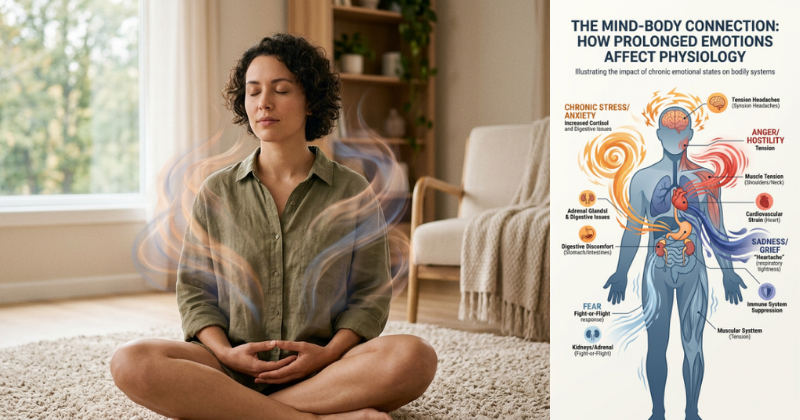
Emotions always had a bad affect on your body, causing stress and physical pain. Learn how to control your emotions to protect your health and save your healthy life today!
Have you ever felt your heart race before a big meeting, or noticed a sharp pain in your stomach after a heated argument? These aren’t just coincidences; they are the physical manifestations of your internal world. The truth is that emotions always had a bad affect on your body when left unchecked, acting as a silent trigger for everything from headaches to chronic inflammation. We often treat our minds and bodies as separate entities, but they are deeply intertwined. By learning to manage your emotional landscape, you can transform your physical vitality and ensure a longer, more vibrant existence.
In this comprehensive guide, we will explore the profound connection between your feelings and your physiology. You will discover practical, life-changing techniques to regulate your responses and safeguard your well-being. Whether you are struggling with daily anxiety or buried anger, these insights will help you unlock a calmer, healthier version of yourself. Get ready to take back control and save your healthy life through the power of emotional intelligence. You have the capability to heal from within, and it starts with understanding the energy behind your emotions.
Foundation: The Mind-Body Connection Explained
To build confidence in your ability to change, you must first understand the basic biological concepts at play. Every emotion you experience triggers a chemical cascade in your brain. When you feel stressed or angry, your body releases “fight or flight” hormones like cortisol and adrenaline. While these are helpful in short bursts, chronic emotional distress means your body is constantly bathed in these chemicals.
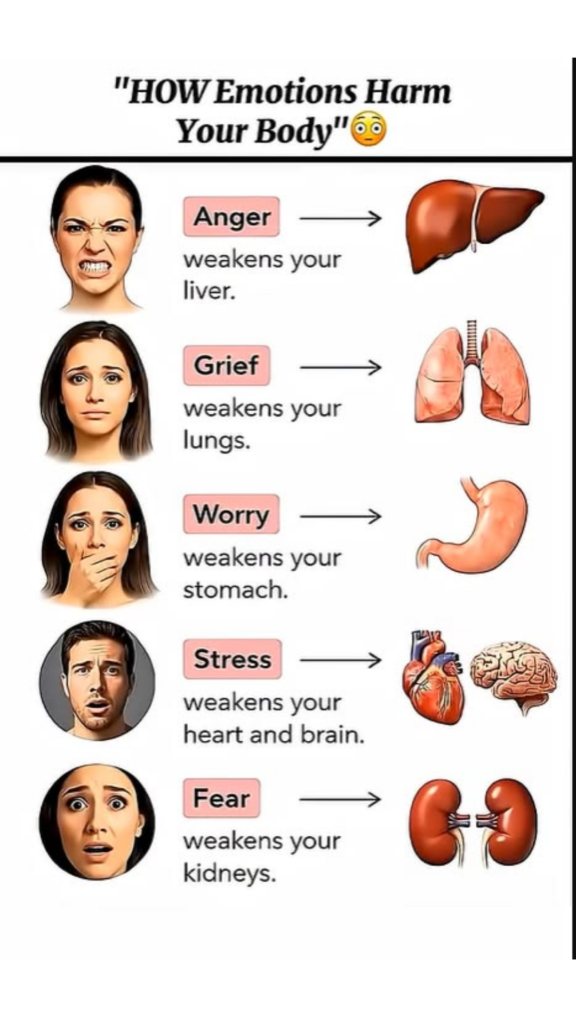
How Emotions Impact Your Organs
It is a common scientific observation that prolonged negative emotions can weaken the immune system. For instance, chronic grief is often linked to respiratory issues, while repressed anger can contribute to cardiovascular strain. Because emotions always had a bad affect on your body, ignoring them is essentially ignoring a vital health metric. Understanding this is the first step toward a more sustainable lifestyle.
Addressing Common Hesitations
You might feel that your emotions are “just who you are” or that you cannot control how you feel. It is natural to feel overwhelmed by the intensity of your reactions. However, emotional regulation is a skill, not a personality trait. Just like building muscle in the gym, you can build emotional resilience through gradual progress and self-care. Reassurance comes from knowing that thousands have successfully shifted their emotional baseline using these methods.
Key Components of Emotional Health
- Self-Awareness: Identifying the emotion the moment it arises.
- Regulation: Using tools to lower the intensity of the reaction.
- Expression: Finding healthy outlets for feelings instead of “bottling” them up.
Step-by-Step Process: Core Methods for Emotional Control
Breaking down the process into manageable steps makes the journey to emotional mastery achievable. Use these actionable strategies the next time you feel an emotional storm brewing.
1. The “Pause and Name” Technique
The moment you feel a surge of emotion, stop what you are doing.
- The Method: Mentally label the feeling. Say to yourself, “I am feeling frustrated” or “I am feeling overwhelmed.”
- Why it works: Naming an emotion moves the activity from the reactive amygdala to the rational prefrontal cortex of the brain, instantly lowering the emotional volume.
2. Deep Diaphragmatic Breathing
How do emotions affect physical health?
This is a frequent query for those noticing physical symptoms. Emotions affect the body by altering your heart rate and muscle tension. Controlled breathing is the fastest way to reverse this.
- The Method: Inhale for four seconds, hold for four, and exhale slowly for six.
- The Result: This stimulates the vagus nerve, which tells your nervous system to switch from “stress mode” to “rest mode.”
3. Progressive Muscle Relaxation
- The Method: Starting from your toes and moving up to your jaw, tense each muscle group for five seconds and then release.
- Benefit: This helps you identify where you “hold” your emotions physically, allowing you to release that energy before it turns into chronic pain.
Advanced Strategies: Expert Insights for Long-Term Mastery
Once you have the basics down, you can share in expert-level insights to further customize your approach. Advanced emotional control is about more than just reacting; it is about creating a lifestyle that supports peace.
Mindfulness and Cognitive Reframing
Reframing is the act of changing the “story” you tell yourself about a situation. Instead of seeing a traffic jam as a personal attack on your schedule, reframe it as an opportunity to listen to your favorite podcast. This shift in perspective prevents the negative emotion from even forming, saving your body from unnecessary stress.
The Role of Physical Activity
Regular exercise is one of the most effective ways to process “stuck” emotions. When you move your body, you are physically metabolizing stress hormones. For those looking for a calm start, trying [Still in Bed? Try These Gentle Morning Stretches] can help set a peaceful emotional tone for the entire day.
Creative Outlets and “Venting”
Don’t underestimate the power of a hobby. Whether it is gardening or a DIY project, engaging your hands helps distract the mind and provides a sense of accomplishment. If you enjoy the satisfaction of completion, you might even try learning [how to make coffee logs without wax] as a productive way to channel restless energy.
Troubleshooting: Common Challenges in Emotional Regulation
Even with a solid plan, you will face obstacles. Here is how to address frequent challenges with solutions and encouragement.
“I feel the emotion so fast I can’t stop it.”
- The Solution: This is common! Focus on “preventive maintenance.” Ensure you are getting enough sleep and eating well. Check out [15 FOODS THA BOOST YOUR IMMUNITY SYSTEME] to ensure your brain has the nutrients it needs to stay balanced.
“I feel guilty for having negative emotions.”
- The Solution: Shame only adds another layer of stress to your body. Practice supportive, non-judgmental language. Remind yourself that emotions are just data points. Acknowledge the feeling without letting it drive the bus.
“My environment is too stressful to stay calm.”
- The Solution: While you can’t always control your surroundings, you can control your “internal environment.” Use sensory triggers like a [TURMERIC GLOW SHEA BUTTER BODY SCRUB] in your shower to ground yourself in your physical senses when the world feels chaotic.
Maximizing Results: Sustainable Lifestyle Changes
To truly save your healthy life, you must build upon your basic successes. Emotional control is a lifelong journey of continued growth and learning.
The Importance of Routine
Consistency is the key to transformation. When you establish a morning and evening routine, you give your brain a sense of safety. Integrating healthy habits, such as knowing [What to Eat Before Bed for Better Sleep], ensures that your body is physically prepared to handle emotional challenges the next day.
Social Support and Connection
Humans are social creatures. Sharing your journey with a trusted peer or a healthcare provider can lighten the emotional load. Sometimes, just knowing you aren’t alone in your struggle is enough to lower your blood pressure and improve your mood.
Maintenance and Monitoring
Keep a journal to track your progress. Note which situations trigger you and which tools worked best. Over time, you will see patterns emerge, allowing you to intercept negative emotions before they have a chance to affect your body.
Conclusion
Understanding that emotions always had a bad affect on your body is a powerful realization that can lead to a total health transformation. You have learned how to name your feelings, breathe through the tension, and reframe your perspective to save your healthy life. By taking proactive steps to control your emotional responses, you are not just improving your mood—you are protecting your heart, your immune system, and your future.
You have the capability to succeed in this mission. Every time you choose a calm breath over a heated reaction, you are winning a victory for your well-being. Embrace this journey with patience and self-care, and you will discover a level of health and happiness you never thought possible. Your body is listening to your mind; make sure you are telling it a story of peace.
Would you like me to create a personalized “Emotional Check-in” worksheet to help you track your triggers and physical symptoms daily?
Important Disclaimer: This article is for informational purposes only and should not replace professional advice. For health-related topics, consult healthcare providers. For financial or legal matters, seek qualified professional guidance. For safety procedures, verify current best practices and local regulations. Individual results may vary, and personal circumstances should always be considered when implementing any suggestions.