Meta Description: Discover foods that combat parasites and support gut health in IBD and IBS, combining evidence-based nutrition with natural anti-parasitic and digestive benefits.
What Are Parasites and How Do They Affect Gut Health?
Parasites are organisms that live in or on a host, often extracting nutrients at the host’s expense. Common intestinal parasites include protozoa such as Giardia and Entamoeba histolytica, as well as helminths like roundworms and tapeworms. While infection may be asymptomatic in some individuals, others experience abdominal discomfort, diarrhea, bloating, and nutrient malabsorption.
For people with inflammatory bowel disease (IBD) or irritable bowel syndrome (IBS), parasites can exacerbate existing gut inflammation and disrupt microbial balance. The compromised mucosal barrier in IBD allows for heightened sensitivity to microbial and parasitic presence, while in IBS, parasite-induced dysbiosis can worsen symptoms like bloating, pain, and irregular bowel movements.
How Can Diet Influence Parasite Management?
Diet plays a pivotal role in modulating gut health and supporting the body’s natural defense mechanisms against parasites. Certain foods contain compounds with antimicrobial, anti-parasitic, and prebiotic properties, which help reduce parasitic load while fostering a balanced microbiome.
For example, bioactive compounds in garlic, ginger, and pumpkin seeds have been shown in laboratory studies to inhibit parasite development or reduce attachment to the intestinal wall. Additionally, fiber-rich foods and fermented foods promote a healthy microbiota, enhancing colonization resistance—this is the ability of beneficial bacteria to prevent pathogenic organisms, including parasites, from establishing themselves in the gut.
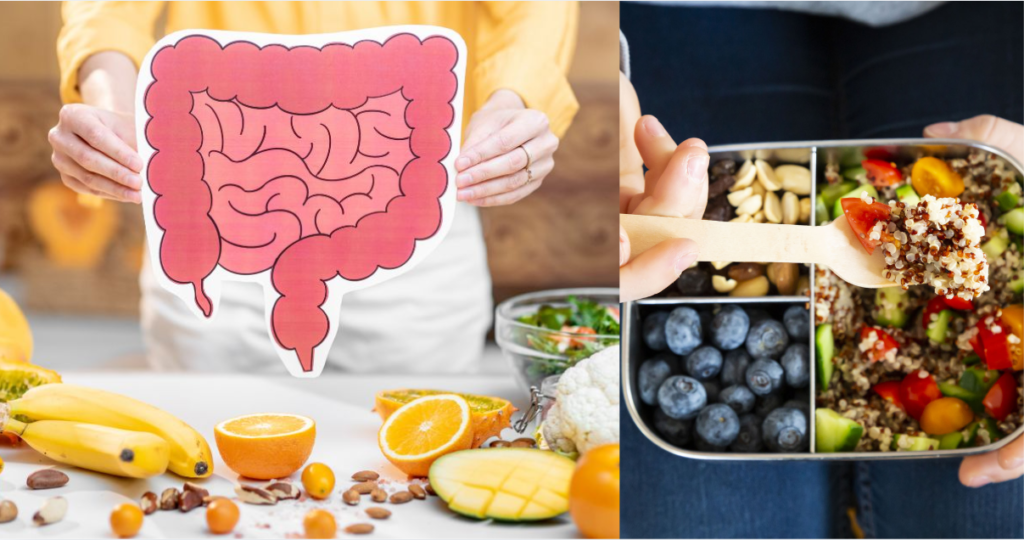
Which Foods Contain Natural Anti-Parasitic Properties?
Several foods have demonstrated anti-parasitic effects through clinical and laboratory research:
- Garlic – Allicin and other organosulfur compounds exhibit anti-protozoal and anti-helminthic activity.
- Pumpkin Seeds – Contain cucurbitacin, which may paralyze parasites, aiding their elimination.
- Papaya Seeds – Shown to reduce intestinal worm load in small human trials.
- Ginger – Bioactive gingerols have inhibitory effects on parasite growth.
- Cloves – Eugenol compounds may disrupt parasite cell membranes and reduce viability.
Incorporating these foods into a balanced diet supports parasitic management naturally while also contributing to overall gut health.
How Do Prebiotic Foods Support Gut Health in IBD and IBS?
Prebiotics are non-digestible food components that selectively feed beneficial gut bacteria. In the context of IBD and IBS, prebiotics help maintain microbial diversity, improve gut barrier function, and modulate immune responses.
Key prebiotic foods include:
- Chicory root and Jerusalem artichoke (rich in inulin)
- Garlic and onions (fructooligosaccharides)
- Bananas and asparagus
Regular intake of prebiotic foods enhances the growth of Bifidobacterium and Lactobacillus species, which can outcompete pathogenic organisms, reduce inflammation, and support digestion even in sensitive patients.
Which Fermented Foods Enhance Microbial Balance?
Fermented foods provide live probiotics, contributing to gut resilience against parasites. They also produce short-chain fatty acids (SCFAs), which nourish colonocytes and reduce mucosal inflammation—beneficial in both IBD and IBS.
Some evidence-backed options include:
- Yogurt with live cultures
- Kefir
- Sauerkraut and kimchi
- Miso and tempeh
While care should be taken in active IBD flare-ups due to potential FODMAP sensitivity, moderate consumption during remission supports microbial balance and may indirectly inhibit parasite colonization by competitive exclusion.
How Can Anti-Inflammatory Foods Improve Parasite Tolerance?
Inflammation exacerbates intestinal damage and increases susceptibility to parasites. Anti-inflammatory foods help maintain mucosal integrity and regulate immune responses.
Notable examples:
- Fatty fish (rich in omega-3 fatty acids)
- Turmeric (curcumin)
- Leafy greens and cruciferous vegetables
- Berries rich in polyphenols
These foods reduce oxidative stress and cytokine-mediated inflammation, creating a gut environment less conducive to parasitic overgrowth and supporting symptom management in IBD and IBS.
Which Lifestyle Practices Complement Dietary Interventions?
In addition to diet, several lifestyle strategies can enhance parasite defense and gut health:
- Hydration – Adequate water intake supports intestinal motility and parasite clearance.
- Proper Food Hygiene – Washing produce, cooking meats thoroughly, and avoiding contaminated water prevent new infections.
- Stress Management – Chronic stress impacts gut motility and immunity, increasing vulnerability to pathogens.
- Regular Physical Activity – Improves circulation and immune function, indirectly supporting gut health.
Integrating these practices maximizes the benefits of dietary interventions, creating a holistic approach to parasite management in sensitive populations.
Can These Foods Replace Conventional Treatments?
While certain foods provide anti-parasitic and gut-supportive properties, they should not replace prescribed medications when clinically indicated. For example, protozoal infections like Giardia lamblia or severe helminth infections may require pharmaceutical intervention.
However, dietary strategies act as an adjunctive measure, enhancing treatment efficacy, supporting gut integrity, and preventing recurrence. Collaboration with healthcare providers is essential for safe, individualized care, particularly in patients with IBD and IBS who may have dietary restrictions or sensitivities.
Conclusion: Harnessing Nutrition to Combat Parasites and Support Gut Health
Foods rich in anti-parasitic compounds, prebiotics, probiotics, and anti-inflammatory nutrients offer a multi-faceted approach to gut health in IBD and IBS. Garlic, pumpkin seeds, fermented foods, and fiber-rich vegetables can reduce parasitic load while nurturing a resilient microbiome. Coupled with proper hydration, hygiene, and lifestyle management, these nutritional strategies provide scientifically grounded support for digestive wellness and parasite defense.
Disclaimer: This article is intended for informational purposes only and does not replace professional medical advice. Consult a healthcare provider for diagnosis or treatment of parasitic infections or gastrointestinal disorders.