Meta Description: Havana Syndrome research explores mysterious neurological symptoms, new device experiments, and the ongoing search for scientific evidence behind these unexplained cases.
Introduction
Imagine experiencing sudden headaches, dizziness, memory loss, and strange auditory sensations—without any clear cause. This is the unsettling reality behind what has been termed Havana Syndrome, a condition that has puzzled scientists, governments, and medical professionals alike.
In recent years, Havana Syndrome research has intensified, especially with the development of experimental devices aimed at replicating or explaining these mysterious symptoms. The question remains: are these effects caused by external technologies, psychological factors, or something entirely different?
In this article, you’ll discover what Havana Syndrome is, how new device experiments are shaping our understanding, and what the latest neurological evidence reveals. More importantly, you’ll gain a clear, balanced perspective on one of the most debated medical mysteries of our time.
Understanding Havana Syndrome: What We Know So Far
Before diving into experiments and research, it’s essential to understand the foundation of Havana Syndrome and why it has captured global attention.
What Is Havana Syndrome?
Havana Syndrome refers to a cluster of unexplained neurological symptoms reported by diplomats, intelligence personnel, and government officials. These symptoms often include:
- Persistent headaches
- Hearing unusual sounds (buzzing, clicking)
- Dizziness and balance issues
- Cognitive difficulties (memory loss, confusion)
- Visual disturbances
The condition was first reported in 2016 among diplomats stationed in Havana, Cuba—hence the name.
Why Is It So Controversial?
The controversy stems from the lack of a clear cause. Researchers have proposed multiple theories:
- Directed energy exposure (e.g., microwave radiation)
- Environmental toxins
- Psychological stress or mass psychogenic illness
Each theory has supporting and opposing evidence, making Havana Syndrome research both complex and evolving.
The Neurological Focus
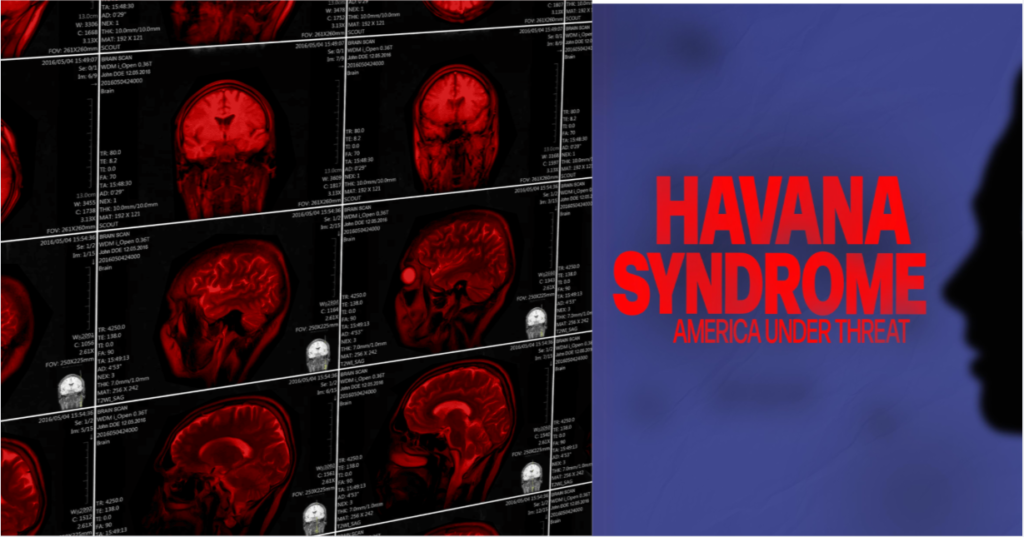
One key area of investigation is the brain itself. Advanced imaging studies have shown subtle changes in brain structure and connectivity in some affected individuals, fueling the search for a neurological explanation.
New Device Experiments: How Scientists Are Testing Theories
One of the most exciting developments in Havana Syndrome research is the use of experimental devices designed to replicate reported symptoms.
Simulating Directed Energy Exposure
Researchers have developed devices that emit controlled electromagnetic or microwave signals to study their effects on the human body.
Key Goals of These Experiments:
- Determine whether specific frequencies can affect brain function
- Observe short-term and long-term neurological changes
- Replicate symptoms reported by affected individuals
While some findings suggest that certain energy exposures can influence neural activity, replicating the exact symptom pattern remains difficult.
Laboratory-Based Neurological Testing
Scientists are also combining device exposure with brain monitoring techniques such as:
- Functional MRI (fMRI)
- EEG (electroencephalography)
- Cognitive performance tests
These tools help researchers track how the brain responds in real time during experimental conditions.
What Have We Learned So Far?
Although no experiment has fully reproduced Havana Syndrome, some studies suggest:
- Certain energy exposures can disrupt neural signaling
- Symptoms like dizziness and headaches can be experimentally induced
- Individual sensitivity varies significantly
This means the phenomenon may involve multiple interacting factors rather than a single cause.
Advanced Insights: What Neurological Evidence Reveals
As research progresses, scientists are uncovering deeper insights into the possible neurological basis of Havana Syndrome.
Brain Imaging Findings
Some affected individuals show differences in:
- White matter integrity
- Brain connectivity patterns
- Regions involved in balance and sensory processing
However, these findings are not consistent across all cases, which complicates diagnosis and understanding.
The Role of Stress and Perception
Interestingly, neurological evidence also highlights the powerful connection between the brain and perception.
Possible Contributions:
- Heightened awareness of environmental stimuli
- Stress-induced neurological changes
- Overlapping symptoms with anxiety-related conditions
This does not mean symptoms are “imagined,” but rather that the brain’s response system may play a role.
Biological vs. Psychological Debate
One of the biggest challenges in Havana Syndrome research is distinguishing between:
- External physical causes (like energy exposure)
- Internal neurological responses (stress, perception, adaptation)
Most experts now believe the answer may lie somewhere in between.
Common Challenges in Researching Havana Syndrome
Despite technological advances, researchers face several obstacles that slow progress.
Inconsistent Case Reports
Not all individuals report the same symptoms or severity. This variability makes it difficult to create a standardized diagnostic framework.
Lack of Controlled Exposure Data
Because most cases occur in real-world environments, scientists cannot always recreate the exact conditions in a lab.
Political and Security Factors
Havana Syndrome is closely tied to international relations, which adds layers of complexity:
- Limited data sharing
- Classified information
- Potential bias in reporting
These factors can influence how research is conducted and interpreted.
Maximizing Understanding: Where Research Is Heading Next
The future of Havana Syndrome research lies in combining multiple disciplines and innovative technologies.
Multidisciplinary Collaboration
Experts from various fields are working together, including:
- Neurologists
- Physicists
- Psychologists
- Engineers
This integrated approach increases the chances of identifying the true cause.
Improved Diagnostic Tools
New tools are being developed to detect subtle neurological changes more accurately, such as:
- Advanced brain imaging techniques
- Biomarker identification
- Wearable monitoring devices
These innovations could help distinguish Havana Syndrome from other conditions.
Preventive and Protective Strategies
Even without a confirmed cause, researchers are exploring ways to reduce risk:
- Environmental monitoring systems
- Stress management strategies
- Early symptom detection protocols
These measures aim to protect individuals while research continues.
Featured Snippet: What Causes Havana Syndrome?
Havana Syndrome does not have a confirmed cause. Current research suggests it may result from a combination of factors, including possible directed energy exposure, neurological sensitivity, and psychological stress responses.
Related Topics for Further Reading
To deepen your understanding, consider exploring these related topics:
- Early signs of neurological disorders
- How stress affects brain function
- Advances in brain imaging technology
- Understanding unexplained medical conditions
- The science of electromagnetic exposure
Conclusion
Havana Syndrome remains one of the most intriguing and complex medical mysteries of our time. While new device experiments and neurological research are shedding light on possible mechanisms, there is still no single explanation that fits all cases.
What’s clear is that science is moving forward—step by step. By combining advanced technology, multidisciplinary expertise, and open-minded investigation, researchers are gradually unlocking clues that may one day lead to answers.
As a reader, staying informed empowers you to better understand how science tackles uncertainty. And in a world full of unanswered questions, that curiosity is your greatest strength.
Important Disclaimer: This article is for informational purposes only and should not replace professional advice. For health-related topics, consult healthcare providers. For financial or legal matters, seek qualified professional guidance. For safety procedures, verify current best practices and local regulations. Individual results may vary, and personal circumstances should always be considered when implementing any suggestions.