Nature has always provided powerful tools for healing—and today, more people are rediscovering the benefits of plant-based remedies for health and wellness. From calming herbal teas to immune-boosting roots, healing plants offer a gentle, natural way to support your body and mind.
In this comprehensive healing plants guide, you’ll explore the most effective natural remedies, learn how to use them safely, and discover simple ways to integrate them into your daily routine. Whether you’re new to herbal wellness or looking to deepen your knowledge, this guide will empower you to unlock the healing potential of plants and enhance your overall well-being.
Meta Description (150–160 characters): Discover healing plants and natural remedies for health and wellness, including how to use herbs safely to boost immunity, reduce stress, and improve well-being.
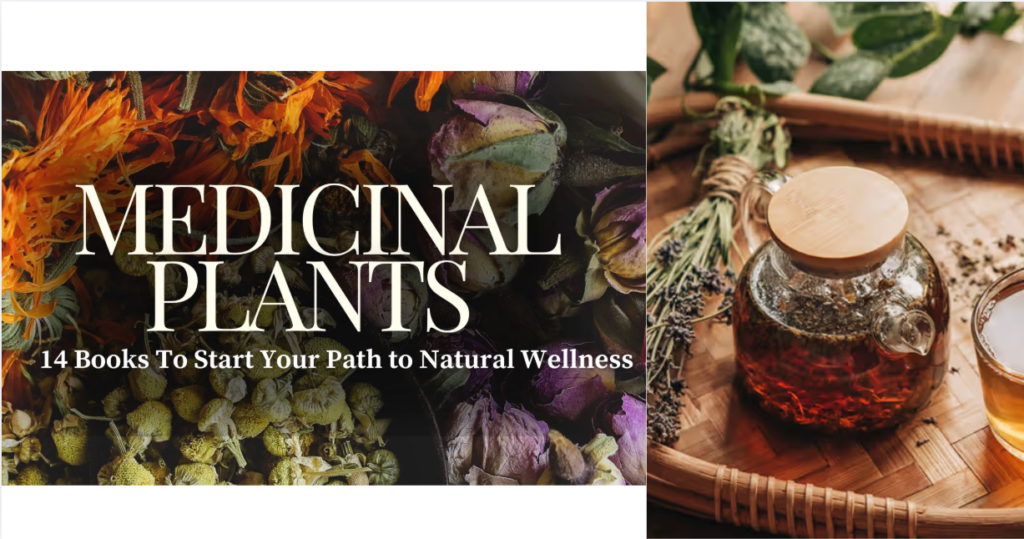
Understanding Healing Plants and Their Benefits
Before diving into specific remedies, it’s important to understand why healing plants are so effective.
What Are Healing Plants?
Healing plants, also known as medicinal herbs, are plants that contain bioactive compounds capable of supporting health. These compounds include:
- Antioxidants
- Anti-inflammatory agents
- Essential oils
- Vitamins and minerals
They’ve been used for centuries across cultures for prevention and healing.
Why Choose Natural Remedies?
Many people turn to plant-based remedies because they:
- Support the body’s natural healing processes
- Often have fewer side effects when used properly
- Promote a holistic approach to wellness
Common Forms of Herbal Remedies
Healing plants can be used in different ways depending on your needs:
- Teas and infusions
- Tinctures and extracts
- Capsules and powders
- Topical oils and creams
Essential Healing Plants for Everyday Wellness
Let’s explore some of the most popular and effective healing plants you can start using today.
🌿 Chamomile: The Calming Herb
Chamomile is widely known for its soothing effects.
Benefits
- Reduces stress and anxiety
- Promotes better sleep
- Supports digestion
How to Use
- Drink chamomile tea before bedtime
- Use as a calming infusion during stressful days
🌿 Ginger: The Digestive Powerhouse
Ginger is a versatile root with strong anti-inflammatory properties.
Benefits
- Eases nausea and digestive discomfort
- Supports immune function
- Reduces inflammation
How to Use
- Add fresh ginger to tea or meals
- Use in smoothies for a wellness boost
🌿 Turmeric: The Golden Healer
Turmeric contains curcumin, a powerful antioxidant.
Benefits
- Reduces inflammation
- Supports joint health
- Boosts immune response
How to Use
- Add to warm milk or teas
- Use in cooking with black pepper for better absorption
🌿 Peppermint: The Refreshing Remedy
Peppermint is excellent for digestive and respiratory support.
Benefits
- Relieves bloating and gas
- Clears nasal passages
- Enhances focus
How to Use
- Drink peppermint tea after meals
- Inhale steam infused with peppermint leaves
🌿 Aloe Vera: The Skin Soother
Aloe vera is well known for its topical healing properties.
Benefits
- Soothes burns and skin irritation
- Hydrates and repairs skin
- Supports wound healing
How to Use
- Apply gel directly to the skin
- Use in natural skincare routines
Step-by-Step Guide to Using Healing Plants Safely
Using herbal remedies effectively requires a thoughtful approach.
Step 1: Start With Simple Remedies
Begin with easy-to-use forms like teas or fresh herbs.
- Choose one or two plants to start
- Observe how your body responds
Step 2: Learn Proper Preparation
Different plants require different methods.
- Infusions for delicate leaves
- Decoctions for roots and bark
- Oils for topical use
Step 3: Use Consistent, Moderate Doses
Herbal remedies work best with regular use.
- Avoid excessive amounts
- Follow recommended guidelines
Step 4: Track Your Results
Keep a simple journal to note:
- Changes in symptoms
- Energy levels
- Overall well-being
Advanced Strategies for Maximizing Herbal Benefits
Once you’re comfortable, you can deepen your practice.
Combine Herbs for Synergy
Some plants work better together.
- Ginger + turmeric for inflammation
- Chamomile + peppermint for digestion and relaxation
Align With Your Lifestyle
Choose remedies that fit your routine:
- Morning teas for energy
- Evening infusions for relaxation
Explore Seasonal and Local Plants
Depending on your region, locally available plants may offer unique benefits and freshness.
Troubleshooting Common Challenges
Even natural remedies come with learning curves.
Challenge: Not Seeing Immediate Results
- Herbal remedies work gradually
- Be consistent and patient
Challenge: Taste Preferences
- Mix herbs with honey or lemon
- Combine with other flavors you enjoy
Challenge: Uncertainty About Safety
- Research each plant before use
- Avoid mixing too many herbs at once
Maximizing Results: Building a Plant-Based Wellness Routine
To fully benefit from healing plants, consistency is key.
Create Daily Rituals
- Morning herbal tea
- Midday wellness drinks
- Evening relaxation infusions
Combine With Healthy Habits
- Balanced nutrition
- Regular exercise
- Adequate sleep
Healing plants work best as part of a holistic lifestyle.
Keep Learning
Herbal wellness is a journey. Continue exploring new plants and methods to expand your knowledge.
Featured Snippet: What Are Healing Plants?
Healing plants are natural plants that contain compounds with therapeutic properties. They are used in teas, extracts, or topical applications to support health, reduce inflammation, and promote overall wellness.
Internal Linking Opportunities
To deepen your knowledge, explore related topics such as:
- Natural immune-boosting strategies
- Anti-inflammatory diets and foods
- Stress management through herbal remedies
- Gut health and digestion support
- Skincare routines using natural ingredients
Conclusion
Healing plants offer a powerful, natural way to support your health and wellness. By understanding how to use herbs like chamomile, ginger, turmeric, and peppermint, you can take simple yet effective steps toward a healthier lifestyle.
Remember, the key is consistency, patience, and mindful use. Start small, listen to your body, and gradually build your plant-based wellness routine.
Nature has already provided the tools—you just need to discover and use them. Your journey to better health can begin today, one plant at a time. 🌿
Important Disclaimer: This article is for informational purposes only and should not replace professional advice. For health-related topics, consult healthcare providers. Individual results may vary.