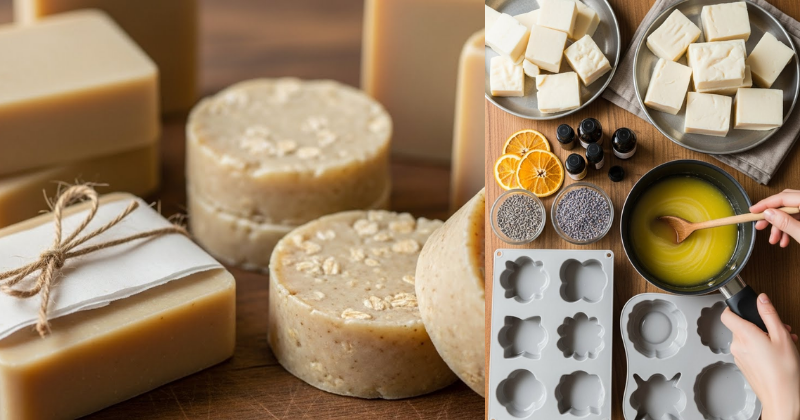
Living with eczema can make even the simplest daily routines—like washing your hands or showering—feel uncomfortable. Homemade soap for eczema offers a gentle, customizable alternative that helps you cleanse your skin without stripping away the moisture it desperately needs. By choosing soothing ingredients and avoiding harsh chemicals, you can transform washing from a trigger into a form of self-care. This guide shows you how to create mild, nourishing soap that supports your skin barrier, reduces irritation, and gives you confidence in what touches your body.
Understanding Eczema and Why Regular Soap Can Make It Worse
Eczema, also known as atopic dermatitis, is a chronic condition marked by inflammation, dryness, and itching. While the exact cause varies, most people with eczema share one key issue: a compromised skin barrier.
How eczema affects the skin barrier
Healthy skin acts like a brick wall. The cells are the bricks, and natural oils are the mortar. In eczema-prone skin, that mortar is weak. Moisture escapes easily, and irritants slip in, triggering redness and itching.
Why commercial soaps often trigger flare-ups
Many store-bought soaps are designed to remove oil efficiently. Unfortunately, that efficiency works against sensitive skin. Common problems include:
- High pH levels that disrupt natural skin balance
- Synthetic fragrances and dyes
- Sulfates that strip protective oils
This is why dermatologists often recommend mild cleansers—or why many people turn to homemade soap for eczema as a safer option.
What Makes Homemade Soap for Eczema Different?
Homemade soap allows you to control every ingredient. Instead of harsh detergents, you focus on nourishment, simplicity, and skin compatibility.
Gentle cleansing without stripping moisture
Well-formulated homemade soap cleans by lifting dirt while leaving beneficial oils behind. This helps reduce dryness after washing.
Ingredient transparency and customization
When you make your own soap, you can:
- Avoid known irritants
- Adjust oil blends for your skin type
- Eliminate unnecessary additives
That level of control is especially empowering when managing a condition as personal as eczema.
Best Ingredients for Homemade Soap for Eczema
Choosing the right ingredients is the foundation of success. Each component plays a role in soothing, protecting, or hydrating sensitive skin.
Oils and butters that soothe and protect
Look for fats known for their calming and barrier-supporting properties:
- Olive oil: Rich in oleic acid, gentle and moisturizing
- Shea butter: Helps reduce inflammation and dryness
- Coconut oil (in small amounts): Adds cleansing power without excess stripping
Additives to calm irritated skin
Natural additions can enhance comfort:
- Colloidal oatmeal: Relieves itching and binds moisture
- Honey: Naturally humectant and soothing
- Goat milk: Contains fats and proteins that soften skin
Ingredients to avoid
Avoid essential oils, strong botanicals, or exfoliants unless your skin tolerates them well. Less is more when dealing with eczema.
How to Make Homemade Soap for Eczema: Step-by-Step
This section directly answers a common question and is ideal for featured snippet optimization.
Basic cold-process soap method (beginner-friendly)
Cold-process soap allows oils to remain intact and nourishing.
You will need:
- Olive oil, coconut oil, shea butter
- Sodium hydroxide (lye)
- Distilled water
- Colloidal oatmeal (optional)
Steps:
- Carefully mix lye with water in a ventilated area. Let cool.
- Melt oils and butters, then allow them to cool to a similar temperature.
- Combine lye solution with oils and blend until light trace.
- Stir in oatmeal or other gentle additives.
- Pour into molds and let set for 24–48 hours.
- Cure bars for 4–6 weeks before use.
Timing and curing considerations
Curing is essential. It allows excess moisture to evaporate, creating a harder, milder bar that is gentler on eczema-prone skin.
Advanced Tips to Customize Soap for Your Skin
Once you master the basics, you can tailor recipes to your unique needs.
Adjusting oil ratios for dryness levels
If your skin feels tight after washing, increase olive oil or shea butter. If residue feels heavy, slightly reduce superfat levels.
pH balance and mildness
Soap is naturally alkaline, but careful formulation and longer curing times result in a gentler final product. Some makers prefer syndet bars or soap alternatives for extremely sensitive skin.
Common Problems and How to Fix Them
Even experienced soap makers face challenges. The key is patience and small adjustments.
Soap feels drying
- Reduce coconut oil percentage
- Increase superfatting
- Add honey or milk
Skin reacts unexpectedly
- Simplify your formula
- Remove all fragrance
- Patch test before full use
Remember, setbacks are part of learning. Each batch teaches you more about what your skin prefers.
Maximizing Results Beyond Soap
Homemade soap works best as part of a complete skincare routine.
Pairing soap with eczema-friendly habits
- Use lukewarm water
- Pat skin dry, don’t rub
- Apply moisturizer immediately after washing
Long-term storage and freshness
Store soap in a dry, ventilated space. Proper storage extends shelf life and preserves skin benefits.
Internal linking opportunities:
You could link this article to related topics such as:
- Natural body butters for sensitive skin
- DIY oatmeal baths for eczema relief
- How to build an eczema-friendly skincare routine
- Understanding skin pH and barrier repair
Conclusion: Empower Your Skin with Homemade Soap for Eczema
Creating homemade soap for eczema is more than a DIY project—it’s a way to reclaim comfort and confidence in your daily routine. By choosing gentle ingredients, learning simple techniques, and listening to your skin, you unlock a cleansing method that supports healing instead of triggering irritation. Start simple, stay consistent, and allow yourself room to experiment. With time, you’ll discover that caring for eczema-prone skin can feel nurturing, not frustrating—and you are fully capable of making that transformation happen.
Important Disclaimer
This article is for informational purposes only and should not replace professional advice. For health-related topics, consult healthcare providers. Individual results may vary, and personal circumstances should always be considered when implementing any suggestions.