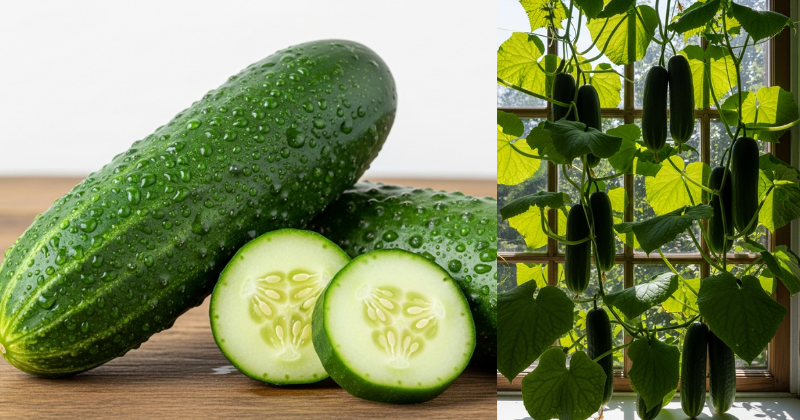
Growing cucumber plants in pots transforms confined spaces into verdant sanctuaries where crisp, refreshing vegetables emerge from compact soil universes, proving that abundance need not demand acres—only intention, understanding, and the willingness to nurture life within boundaries.
The first time I coaxed a cucumber vine to climb a makeshift trellis on my small urban balcony, I understood something profound about the relationship between constraint and creativity. That modest container—no larger than a bucket, filled with carefully amended soil—became a portal to agricultural possibility. The vine stretched toward sunlight with such determination, its tendrils spiraling around supports with an almost sentient grace, that I found myself checking its progress multiple times daily, mesmerized by growth I could actually witness. When that first cucumber emerged, hanging like a green jewel among the foliage, I tasted not just the fruit but the triumph of having created sustenance from limited space and focused care.
This comprehensive guide unveils the secrets professional gardeners employ to cultivate prolific cucumber harvests in containers that seem impossibly small for such vigorous plants. You’ll discover how soil composition becomes destiny, why drainage transcends mere practicality to become survival itself, how variety selection determines whether you’ll experience success or frustration, and the precise choreography of water, nutrients, and support structures that transforms seedlings into productive vines. Whether you’re a balcony gardener maximizing every square inch, someone seeking the satisfaction of homegrown vegetables without traditional garden space, or simply curious about the alchemy through which containers become ecosystems, this journey will reveal that growing cucumbers in pots represents not limitation but liberation—the freedom to garden anywhere, with complete control over every variable that influences your harvest.
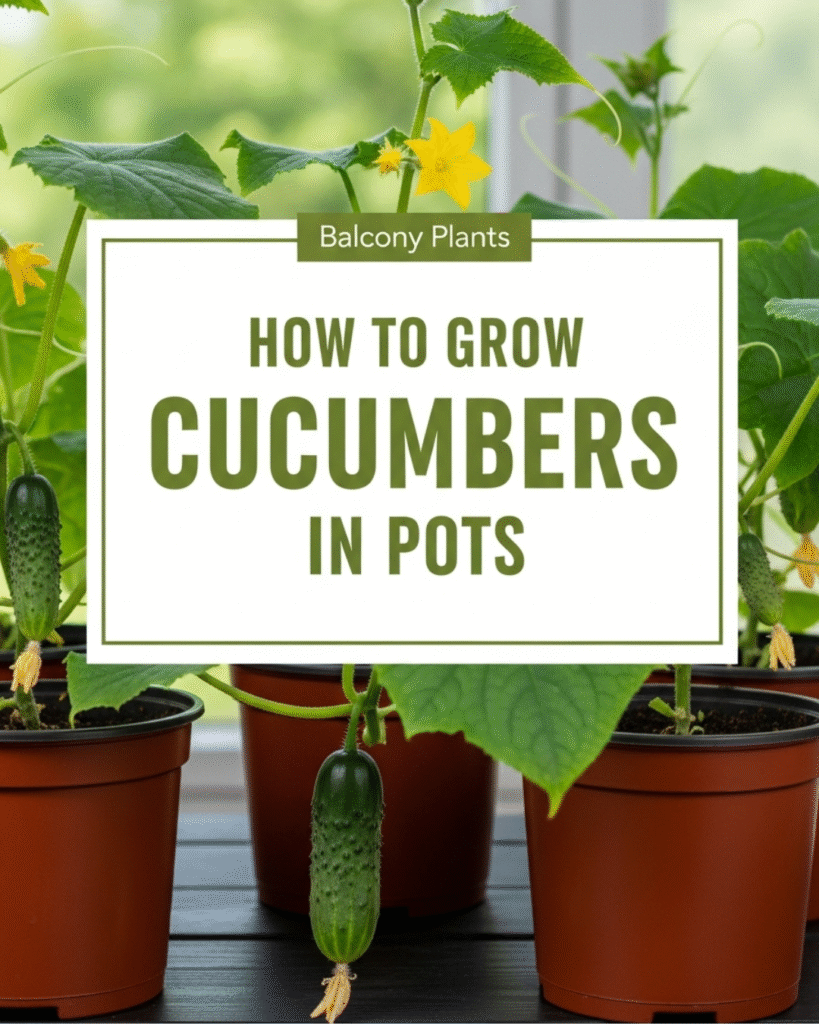
Understanding Cucumber Biology: The Foundation of Container Success
Before your hands touch soil or select vessels, you must first comprehend cucumber’s essential nature—the character forged across millennia in the foothills of the Himalayas, where warm days and adequate moisture sculpted a plant of remarkable productivity yet specific demands that container culture must honor and accommodate.
The Vining Soul and Its Container Implications
Cucumbers belong to the Cucurbitaceae family, sharing lineage with melons, squash, and gourds—plants evolved for vigorous vegetative growth and rapid fruit production. This heritage manifests in growth patterns that seem almost aggressive: vines that can extend six feet or more in a single growing season, tendrils that seek supports with botanical determination, and root systems that, while not exceptionally deep, spread laterally seeking moisture and nutrients with remarkable efficiency.
Understanding this vining nature transforms how you approach container cultivation. Unlike compact bush beans or determinate tomatoes that maintain contained forms, cucumbers want to wander, to climb, to spread their chlorophyll-rich leaves across maximum surface area for photosynthetic efficiency. Container culture doesn’t suppress this nature—it channels it vertically, transforming what would be sprawling ground coverage into elegant vertical gardens that maximize both space utilization and air circulation around developing fruits.
The root architecture deserves particular attention. Cucumber roots concentrate in the top 12-18 inches of soil, spreading outward rather than plunging deep. This relatively shallow root zone means that container depth matters less than you might expect—a 12-inch deep pot suffices where many assume 24 inches would be necessary. However, the lateral spreading tendency means that container diameter proves crucial: narrow pots restrict root expansion, limiting the plant’s capacity to support vigorous vine growth and heavy fruit production.
I learned this distinction through early failures with tall, narrow containers that seemed logically sized but produced stunted plants. The revelation came when I switched to wider, shallower vessels—suddenly, the same varieties thrived, their root systems able to explore adequate soil volume even though vertical depth remained modest. This understanding—that cucumber roots prefer to roam horizontally within the top foot of soil—fundamentally reshapes container selection strategies.
Water Relationship and the Moisture Paradox
Cucumbers exhibit what I call the “moisture paradox”—they demand consistent hydration yet suffer catastrophically from waterlogged conditions. This seeming contradiction reflects their evolutionary origins in regions with reliable monsoon rainfall but well-draining hillside soils. Heavy rains would saturate the soil temporarily, but excellent drainage ensured roots never endured prolonged submersion in oxygen-poor conditions.
Replicating this pattern in containers requires understanding the distinction between moisture and waterlogging. Moisture means soil particles maintain thin water films coating their surfaces—water readily available to root hairs yet surrounded by air-filled pores supplying oxygen for root respiration. Waterlogging occurs when all pore spaces fill with water, displacing oxygen and creating anaerobic conditions where roots suffocate and opportunistic pathogens thrive.
Container culture intensifies this challenge because the confined soil volume can shift from adequately moist to waterlogged within minutes if drainage proves inadequate. Yet that same confined volume also desiccates rapidly during hot weather, potentially stressing plants within hours if irrigation lags. The successful container cucumber gardener becomes a master of this balance—providing abundant water while ensuring it never accumulates, maintaining consistent moisture without creating stagnation.
The plant’s water requirements scale with its productivity. A mature cucumber vine transpires remarkable volumes—up to a gallon daily during peak production in hot weather. This water doesn’t merely hydrate plant tissues; it drives the nutrient uptake that fuels growth, maintains turgidity for proper cell expansion (crucial for fruit development), and enables the evaporative cooling that prevents heat stress. Underwatering doesn’t merely slow growth—it triggers stress responses including bitter fruit development, premature flowering cessation, and susceptibility to powdery mildew and other stress-related diseases.
Selecting the Right Varieties and Containers for Optimal Growth
The marriage between cucumber variety and container specifications determines whether your cultivation attempt yields abundance or disappointment. Not all cucumbers adapt equally to container life, and not all containers provide the environment cucumbers require for thriving.
Decoding Variety Selection: Bush Versus Vine, Slicer Versus Pickling
The cucumber breeding world offers remarkable diversity, with varieties spanning a spectrum from compact bush types barely reaching two feet to vigorous indeterminate vines that would happily colonize your entire patio if permitted. For container culture, this diversity becomes your tool for matching plant to purpose and space.
Bush or compact varieties represent modern breeding achievements—cucumbers that maintain concentrated, manageable growth while still producing respectable harvests. Varieties like ‘Bush Champion,’ ‘Spacemaster,’ and ‘Patio Snacker’ grow 2-3 feet tall with limited lateral spread, making them ideal for smaller containers (5-gallon capacity) and situations where elaborate support structures prove impractical. These varieties sacrifice some of the explosive productivity of vining types but compensate through concentrated fruiting periods and space efficiency.
I’ve grown ‘Spacemaster’ in 14-inch diameter pots on a narrow balcony with spectacular success—the compact vines produced a steady stream of 8-inch slicing cucumbers over six weeks without overwhelming the limited space or requiring complex trellising. The fruits, while slightly smaller than those from vining varieties, possessed excellent flavor and that satisfying crispness characteristic of freshly harvested cucumbers.
Vining varieties demand more space and support but reward the investment with extended harvest periods and often superior fruit quality. Traditional slicing cucumbers like ‘Marketmore’ or ‘Straight Eight’ produce vines stretching 6-8 feet, requiring sturdy vertical supports but delivering consistent harvests over 8-10 weeks. These varieties thrive in larger containers (7-10 gallon capacity minimum) and benefit from trellises that allow vertical growth, maximizing production per square foot of ground space.
The slicer versus pickler distinction affects container suitability primarily through fruit load. Pickling varieties like ‘National Pickling’ or ‘H-19 Little Leaf’ produce numerous small fruits simultaneously, creating substantial weight that support structures must accommodate. Slicing varieties typically carry fewer but larger fruits at any given time. Both categories include varieties suitable for containers, though pickling types’ prolific nature makes them particularly rewarding for those seeking maximum harvest from limited space.
Parthenocarpic varieties deserve special mention for container culture. These cucumbers produce fruit without pollination—a valuable trait when growing on high balconies or in locations where pollinator access proves limited. Varieties like ‘Diva’ or ‘Socrates’ eliminate concerns about inadequate pollination while often producing straighter, more uniform fruits without the irregular shapes sometimes resulting from incomplete pollination in standard varieties.
Container Architecture: Size, Material, and Drainage Dynamics
The vessel you select becomes your cucumber plant’s entire universe—every nutrient, every breath of oxygen, every molecule of water must pass through this carefully chosen container. Understanding how different container characteristics affect plant performance elevates selection from aesthetic preference to horticultural strategy.
Size considerations begin with volume calculations. A single cucumber plant requires minimum 5 gallons of soil volume, with 7-10 gallons proving optimal for vining varieties. This volume provides adequate root exploration space while maintaining sufficient soil mass to buffer against rapid moisture and temperature fluctuations that stress plants and reduce productivity.
However, volume alone doesn’t tell the complete story—shape matters profoundly. A tall, narrow 10-gallon container provides less usable root space than a wider, shallower vessel of equivalent volume because cucumber roots concentrate in the upper soil layers. I favor containers 12-16 inches deep and 16-20 inches in diameter, a configuration that matches cucumber root architecture while maintaining manageable weight and aesthetic appeal.
Material selection influences multiple performance factors. Traditional terracotta offers classic beauty and breathability—the porous clay allows air exchange through container walls while wicking moisture from soil, preventing waterlogging. However, this same porosity accelerates moisture loss during hot weather, potentially requiring twice-daily watering. The weight of terracotta also limits mobility once filled with moist soil.
Plastic containers dominate modern container gardening for practical reasons: lightweight, inexpensive, moisture-retentive, and available in endless sizes and configurations. Quality matters dramatically—thin, cheap plastic degrades rapidly under UV exposure, becoming brittle and potentially releasing compounds into soil. Select UV-stabilized plastics designed for outdoor use, preferably in colors that reflect rather than absorb heat to prevent root-zone overheating.
Fabric grow bags represent an innovative alternative gaining popularity among serious container gardeners. These breathable fabric containers allow air pruning of roots—when roots reach container edges and encounter air, they naturally prune themselves rather than circling, stimulating branching and creating healthier, more efficient root systems. The porosity prevents waterlogging while the flexibility allows easy storage when not in use. I’ve achieved my best container cucumber results in 10-gallon fabric pots, the plants developing remarkably vigorous root systems that translated to exceptional productivity.
Drainage infrastructure represents the non-negotiable requirement transcending all other container considerations. Inadequate drainage guarantees failure regardless of variety selection, container size, or care quality. Each container must feature multiple drainage holes—not a single central opening but 4-6 holes distributed across the bottom, each at least ½ inch in diameter.
The drainage holes alone don’t ensure adequate water movement—the container bottom’s internal configuration matters. Flat-bottomed containers risk creating perched water tables where water accumulates in the lowest soil layers despite drainage holes. Elevating containers on pot feet or placing them on inverted saucers creates an air gap beneath, encouraging complete drainage while preventing the blocked drainage that occurs when containers sit directly on solid surfaces.
Step-by-Step Planting and Early Care for Thriving Cucumber Starts
The transition from seed or transplant to established, productive plant represents the crucial phase where attention to detail pays dividends throughout the growing season. Each step in this establishment process builds the foundation for everything that follows.
Soil Composition: Crafting the Perfect Growing Medium
The substrate you create becomes your cucumber’s entire nutritional and physical universe for its lifetime. Standard garden soil, even high-quality loam, fails spectacularly in containers—it compacts, restricts root penetration, impedes drainage, and lacks the nutrient density required for intensive production from limited soil volume.
The foundation recipe I’ve refined through seasons of experimentation combines:
- 50% high-quality potting mix (not potting soil, which contains actual soil and compacts)
- 25% compost for nutrient density and beneficial microorganisms
- 15% perlite or pumice for enhanced drainage and aeration
- 10% worm castings for slow-release fertility and biological activity
This composition creates what soil scientists call “structural stability”—a three-dimensional architecture of solid particles, air spaces, and water-holding components that maintains integrity through repeated wetting-drying cycles while providing the oxygen, moisture, and nutrients roots demand simultaneously.
The potting mix component provides lightweight organic matter that retains moisture without waterlogging. Quality matters dramatically—premium potting mixes contain aged bark, peat moss or coco coir, and often mycorrhizal fungi that colonize roots and dramatically extend their effective reach. Budget mixes frequently include excessive wood chips or insufficiently composted materials that actually deplete nitrogen as they continue decomposing.
Compost contributes both nutrition and biology. The decomposed organic matter releases nutrients gradually across the growing season, while the diverse microbial communities it introduces establish the soil food web that converts organic materials into plant-available nutrients. I prefer well-aged compost from multiple sources—a mixture of kitchen scraps, yard waste, and mushroom compost creates more complete nutrient profiles than single-source materials.
Perlite or pumice serves purely physical functions—these volcanic minerals create permanent air pockets while their irregular surfaces disrupt capillary water movement, preventing the wicking that would draw water from deeper layers to evaporate at the surface. This addition proves especially crucial in containers where soil volume limitations make efficient water use paramount.
Worm castings represent concentrated fertility with remarkable properties. The enzymatic digestion through earthworm guts creates nutrient forms readily absorbed by plants while the castings themselves contain plant growth regulators and disease-suppressive microorganisms. A modest 10% inclusion provides season-long benefits without the salt accumulation risks associated with synthetic fertilizers.
pH calibration deserves attention before planting. Cucumbers thrive in slightly acidic to neutral conditions—pH 6.0-7.0 represents the optimal range for nutrient availability. Most potting mix-compost combinations naturally fall within this range, but verification using a simple pH test kit provides insurance against the deficiency problems that emerge when pH drifts outside ideal parameters.
Planting Timing and Techniques for Strong Establishment
Cucumbers exhibit zero frost tolerance—exposure to temperatures below 50°F damages plants, while frost kills them outright. This temperature sensitivity dictates planting timing: wait until all frost danger has passed and soil temperatures stabilize above 60°F, ideally reaching 70°F for optimal germination and growth.
For most temperate regions, this timing falls 2-3 weeks after the last expected spring frost date. Impatient planting into cold soil produces stunted plants that never fully recover, while waiting for genuinely warm conditions enables vigorous establishment that overcomes the apparent lost time within weeks.
Direct seeding versus transplanting each offers advantages. Direct seeding avoids transplant shock and the root disturbance cucumbers resent, while transplanting provides a head start and eliminates the vulnerable seedling stage in the final container. I favor starting seeds indoors 3-4 weeks before transplanting, using biodegradable pots that can be planted directly without disturbing roots.
The seeding technique for direct-sown containers involves:
- Fill the container to within 2 inches of the rim with pre-moistened growing mix
- Create 2-3 shallow depressions ½ inch deep, spaced equidistantly
- Place 2 seeds in each depression (insurance against germination failures)
- Cover seeds with ½ inch of fine potting mix, patting gently
- Water with a gentle spray that won’t displace seeds
- Maintain consistent soil moisture (not waterlogged) until germination occurs in 3-10 days
- Once seedlings develop first true leaves (the serrated leaves following initial smooth cotyledons), thin to the strongest single plant by snipping others at soil level rather than pulling (which disturbs the keeper’s roots)
Transplanting procedure demands gentleness to minimize shock:
- Water the transplant thoroughly 2-3 hours before transplanting
- Fill the container with growing mix, creating a planting hole slightly larger than the root ball
- If using biodegradable pots, plant the entire pot after tearing away the rim to prevent wicking moisture from the soil
- If transplanting from plastic containers, support the root ball from beneath while inverting and gently sliding the plant free
- Position the plant so the soil line matches its previous depth—burying stems too deeply invites rot while planting too shallow exposes roots
- Backfill around the root ball, firming gently to eliminate air pockets
- Water thoroughly, allowing excess to drain completely
- Place the container in a location receiving morning sun but afternoon shade for 3-4 days before moving to full sun—this acclimation period reduces transplant stress
Early Care and the Critical First Two Weeks
The establishment period following planting or germination represents your cucumber plant’s most vulnerable phase. Attention during these first 14 days determines whether you’ll nurture vigorous, productive vines or struggle with weak plants that never reach their potential.
Moisture management takes precedence during establishment. The growing medium should remain consistently moist—never saturated, never dry. Check moisture by inserting your finger 2 inches into the soil; if it feels dry at that depth, water thoroughly. Young plants with limited root systems can’t yet access moisture throughout the container, making consistent surface moisture crucial.
Protection from temperature extremes prevents setbacks. If unexpected cool weather threatens (nighttime temperatures dropping below 55°F), moving containers indoors or covering with frost blankets protects vulnerable seedlings. Conversely, intense sun and heat can overwhelm young plants before their root systems develop sufficiently to support high transpiration rates—provide afternoon shade during the first week if temperatures exceed 85°F.
The first feeding should wait until the plant develops several sets of true leaves, indicating established roots capable of nutrient uptake. Premature fertilization wastes nutrients while risking salt burn on tender roots. When you do begin feeding, start with quarter-strength liquid fertilizer, gradually increasing to full strength over subsequent applications.
Advanced Support Systems and Vertical Growing Strategies
Container cucumbers’ productivity hinges on effective support structures that enable vertical growth, improve air circulation, facilitate harvesting, and prevent fruit contact with soil or container surfaces where rot and pest problems concentrate. The support system you implement becomes a permanent feature through the growing season, making thoughtful design crucial.
Trellis Architecture: From Simple Stakes to Complex Frameworks
The simplest support involves a single sturdy stake (bamboo, metal, or wooden) inserted beside the plant, with vines tied loosely to the stake as they grow. This minimal approach works for compact varieties but limits productivity for vigorous vines and creates a vertical column of foliage that restricts air movement and light penetration.
The A-frame trellis I favor for balcony cultivation provides sturdy support in limited space. Construct it from two bamboo poles or wooden stakes, each 6-7 feet tall, crossed near the top and lashed together, with the bottom ends positioned outside the container edges at 45-degree angles. String or netting stretched between the poles creates climbing surfaces, while the A-configuration provides stability without requiring attachment to walls or railings.
Cage systems adapted from tomato cages suit bush varieties. Select heavy-gauge wire cages at least 4 feet tall, pushing them into the soil at planting time. The vines grow through the cage openings, self-supporting while producing fruits suspended away from the container surface.
Wall-mounted systems maximize space efficiency for those with vertical surfaces available. Install eye-hooks along a wall or fence at the top and bottom, then string heavy twine or wire vertically every 6 inches. Train vines up these vertical lines, weaving growing tips around the supports as the plant climbs. This configuration creates a living wall of cucumber foliage that’s both productive and attractive.
The critical consideration across all support types involves timing—install supports at planting rather than waiting until vines need them. Attempting to add supports once plants have grown risks damaging stems and roots while disrupting the growth patterns already established.
Training Techniques for Maximum Production
Cucumber vines left to their own devices sprawl chaotically, creating tangled masses where fruits hide, air stagnates, and disease pressure escalates. Active training transforms random growth into organized productivity.
The single-leader method involves selecting the strongest main stem and removing all side shoots as they emerge from leaf axils during the first 12-18 inches of growth. This technique channels all energy into establishing one vigorous main vine that then branches freely above the pruning zone. The resulting plant exhibits strong vertical growth with abundant lateral branching in the upper canopy where light exposure maximizes fruit production.
I perform this selective pruning weekly during early growth, pinching out side shoots when they’re 2-3 inches long—small enough to remove without significant energy loss but large enough to identify with certainty. Once the main stem reaches the pruning zone’s top, I allow unrestricted branching, creating a canopy structure with clear airflow through the lower stem zone where humidity and disease risk concentrate.
Tendril guidance seems minor but accumulates significance. Cucumber tendrils spiral automatically around supports they contact, but strategic guidance early in each tendril’s development ensures vines attach where you intend rather than to neighboring leaves or other inappropriate surfaces. Spending 30 seconds during daily inspections gently wrapping wandering tendrils around support structures prevents the tangles that develop when multiple vines compete for the same climbing surfaces.
Watering, Feeding, and Maintenance for Continuous Harvest
Established cucumber plants transition from vulnerable seedlings requiring gentle care to productive factories demanding systematic resource delivery. Your role shifts from protective parent to supply chain manager ensuring continuous availability of water, nutrients, and the environmental conditions enabling peak performance.
Water Wisdom: Mastering the Daily Rhythm
Mature cucumber plants in containers require daily watering during warm weather, sometimes twice daily during heat waves when temperatures exceed 85°F and container soil approaches skin temperature to the touch. This frequency shocks gardeners accustomed to in-ground growing where watering weekly suffices, but confined root volumes in containers coupled with cucumber’s prodigious water demands create dramatically different irrigation requirements.
The optimal watering time falls in early morning, providing moisture for the day’s transpiration while allowing any splashed foliage to dry quickly, reducing fungal disease risk. Evening watering proves second-best—plants receive moisture for overnight metabolism but wet foliage persists through cool night hours when fungal spores germinate most readily.
The deep watering principle must guide every irrigation session. Water until excess drains freely from container bottoms, ensuring the entire root zone receives moisture rather than merely wetting the surface. Frequent, shallow watering encourages surface root concentration, making plants more vulnerable to stress when upper soil dries rapidly. Deep watering promotes deeper root exploration, creating more resilient plants better buffered against temporary moisture deficiency.
Install a moisture meter if you struggle reading soil moisture through tactile assessment. These inexpensive devices inserted into the root zone provide objective readings, helping you develop the intuition for when containers truly need water versus when surface dryness deceives you into unnecessary irrigation.
Nutritional Strategy: Feeding the Productivity Engine
Container-grown cucumbers exhaust available nutrients rapidly—the finite soil volume contains limited reserves that plant uptake and leaching through drainage deplete continuously. Systematic fertilization becomes mandatory rather than optional.
I employ a two-pronged feeding strategy: regular liquid fertilization supplemented with slow-release granular applications. Begin liquid feeding once plants flower, using balanced water-soluble fertilizer (10-10-10 or similar) at half the recommended strength every 7-10 days. This conservative approach prevents salt accumulation that would damage roots while maintaining adequate nutrient availability.
At flowering initiation, shift to a slightly higher-phosphorus formulation (5-10-10) supporting flower and fruit development. Continue this feeding regimen throughout production, watching foliage color as a nutrient status indicator. Deep green leaves indicate adequate nitrogen, while yellowing older leaves signal deficiency requiring increased feeding frequency. Conversely, dark green leaves with bronzed edges suggest nutrient excess—reduce feeding concentration and frequency if this appears.
Supplement liquid feeding with slow-release granular organic fertilizer applied at monthly intervals. These products release nutrients gradually through microbial decomposition, providing baseline fertility that liquid applications enhance. I work a tablespoon of granular organic fertilizer into the top inch of soil every four weeks, watering thoroughly afterward to initiate release.
Pest and Disease Management Through Prevention
Container cucumbers, while somewhat protected from soil-borne diseases plaguing in-ground plants, remain vulnerable to foliage pests and diseases that thoughtful management can largely prevent.
Powdery mildew—the white, talc-like coating developing on leaf surfaces—represents the most common disease challenge. Prevent it through adequate spacing (grow only one plant per container), ensuring good air circulation, avoiding overhead watering that wets foliage, and positioning containers where morning sun dries dew quickly. If mildew appears despite preventive measures, remove affected leaves and spray remaining foliage weekly with dilute milk solution (1 part milk to 9 parts water)—the lactic acid bacteria suppress fungal growth.
Cucumber beetles—striped or spotted insects feeding on foliage, flowers, and fruits—transmit bacterial wilt while causing direct feeding damage. Hand-picking provides effective control in container culture where plant populations remain manageable. Inspect plants daily during morning hours when beetles are sluggish, flicking any found into soapy water. Row covers or insect netting over young plants prevent colonization, though they must be removed once flowering begins to allow pollination.
Aphids cluster on tender growing tips and leaf undersides, sucking plant juices and potentially transmitting viruses. A strong water spray from the hose dislodges most aphids, while insecticidal soap sprays eliminate persistent populations. The key involves early detection—aphids reproduce explosively, so small populations controlled easily become overwhelming infestations within days if ignored.
Harvesting and Season Extension for Maximum Productivity
The transition from flower to mature fruit occurs with surprising speed—cucumbers can reach harvest size within 48-72 hours of pollination. This rapid development demands daily harvest inspections during peak production to capture fruits at optimal size and prevent over-maturation that signals the plant to cease flower production.
The Art of Proper Harvesting
Harvest cucumbers when they reach the size characteristic of their variety—generally 6-8 inches for slicing types, 2-4 inches for picklers. The fruit should be firm, with glossy skin and uniform color. Yellowing at the blossom end signals over-maturity—harvest immediately even if slightly oversize.
Use clean, sharp pruners or scissors rather than pulling fruits, which can damage vines. Cut the stem ½ inch above the fruit, leaving a short stub that quickly dries and seals. Harvest during morning hours when fruits are coolest and crispest, refrigerating immediately to maintain quality.
Frequent harvesting—daily during peak production—signals the plant to continue flowering and setting new fruits. Even a few over-mature fruits left on the vine trigger the plant’s perception that reproduction has succeeded, reducing new flower production and effectively shortening your harvest window.
Succession Planting and Season Extension
Container culture enables succession strategies impossible with in-ground gardens. Plant new containers every 3 weeks through mid-summer, creating staggered harvests that extend the cucumber season from early summer through fall. Each planting reaches peak production as the previous one declines, maintaining continuous supply rather than the feast-or-famine cycles common with single plantings.
As fall approaches and nighttime temperatures drop into the 50s, protect containers by moving them against south-facing walls where radiant heat extends the growing season. Cold frames or row covers over individual containers provide additional protection, sometimes extending production 4-6 weeks beyond unprotected plants.
When frost finally threatens, harvest all remaining fruits regardless of size—even small cucumbers make excellent pickles. Then compost the spent plants, sterilize containers for reuse, and prepare for next season armed with the experience you’ve accumulated.
Conclusion: From Container to Abundance
The journey from empty pot to productive cucumber vine exemplifies container gardening’s transformative potential—proving that space limitations need not constrain your capacity to grow genuine sustenance. What began as soil, seed, and possibility becomes daily harvests of crisp, refreshing vegetables that taste of summer sunlight and the satisfaction of successful cultivation.
You’ve discovered that growing cucumbers in containers demands more than simply planting seeds in pots. It requires understanding cucumber biology and matching varieties to your specific space and goals, creating growing media that balance moisture retention with drainage, implementing support systems that enable vertical growth, and maintaining consistent care rhythms that supply the water and nutrients fueling productivity. Each element connects to others in a web of horticultural cause and effect where success emerges not from any single factor but from their harmonious integration.
The challenges you’ll inevitably encounter—the aphid infestation, the powdery mildew outbreak, the vine that grows more vigorously than anticipated—become teachers, each setback refining your understanding and elevating your skills for subsequent seasons. Container cucumber cultivation rewards attention without demanding perfection, forgives minor missteps while teaching through their consequences, and delivers abundance proportional to the care you invest.
Begin your container cucumber journey this growing season. Select containers and varieties appropriate to your space, craft growing media matching the recipe provided, implement support structures before they’re needed, and commit to the daily rhythms of watering and observation that keep your plants thriving. Document your experiences through photographs and notes, tracking which techniques produce the best results in your specific conditions.
Transform your balcony, patio, or doorstep into a productive garden where the satisfying crunch of fresh cucumber becomes your regular reward for understanding that agriculture need not require acreage—sometimes, abundance fits perfectly in a pot.