
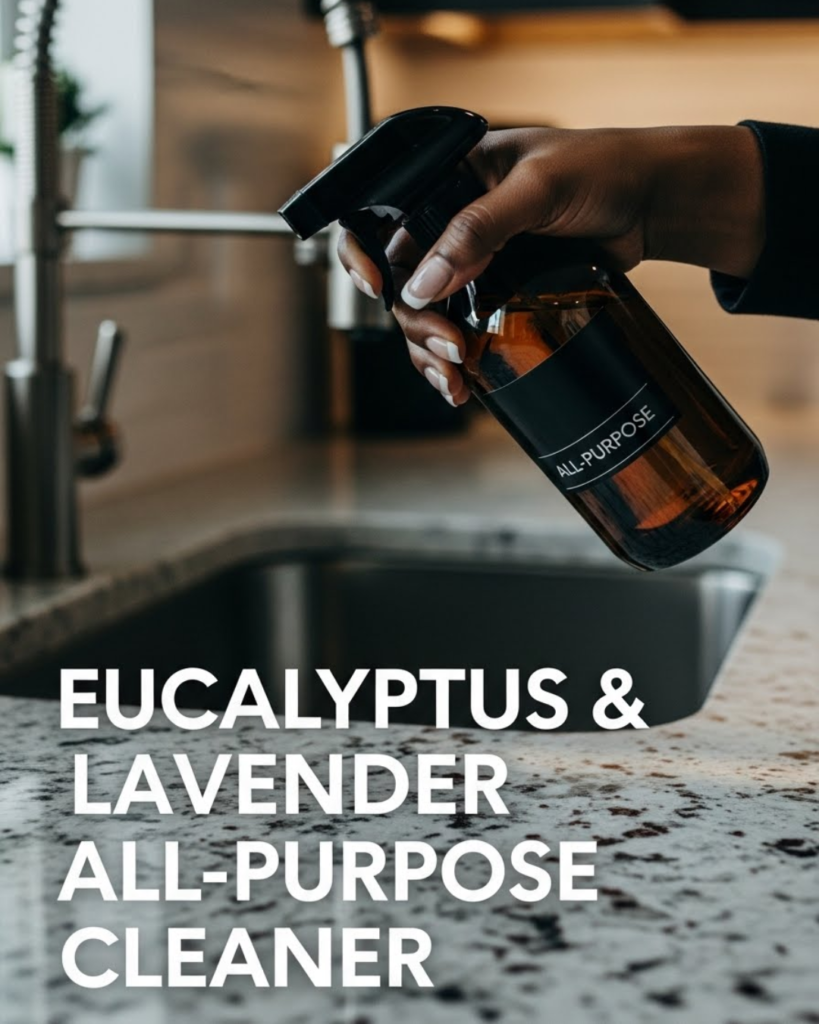
Transform your household cleaning routine by creating an effective, economical DIY all-purpose cleaner that performs across multiple surfaces while eliminating exposure to harsh commercial chemicals. This comprehensive guide demonstrates how simple, accessible ingredients combine to produce a versatile cleaning solution that rivals conventional products, offering you complete control over formulation, cost savings, and environmental impact through straightforward preparation methods.
The Chemistry Behind Effective All-Purpose Cleaners
Understanding the fundamental chemical principles that enable cleaning efficacy allows you to appreciate how basic household ingredients achieve professional-grade results. The science of cleaning involves disrupting molecular bonds between dirt particles and surfaces, facilitating their removal through mechanical action and solvent properties.
Acidic Components and Their Mechanisms
Vinegar, predominantly containing acetic acid (typically 4-8% concentration in household varieties), functions as a mild acidic solvent that dissolves mineral deposits, soap scum, and alkaline residues. The acetate ions interact with calcium carbonate and magnesium compounds found in hard water stains, converting them into soluble acetate salts that rinse away easily. This acidic property also contributes antimicrobial effects, as low pH environments inhibit bacterial and fungal growth by disrupting cellular membrane integrity.
Alkaline Agents and Degreasing Properties
Baking soda (sodium bicarbonate) represents a mild alkaline compound with pH approximately 8.3 when dissolved. Its alkalinity neutralizes acidic residues while providing gentle abrasive properties through crystalline structure. When combined with acidic components, sodium bicarbonate produces carbon dioxide effervescence, creating mechanical action that physically lifts debris from surface irregularities. This dual functionality—chemical neutralization and physical abrasion—makes it exceptionally versatile for diverse cleaning applications.
Surfactant Integration
Plant-based liquid castile soap or dish soap contains surfactant molecules with hydrophilic (water-attracting) and hydrophobic (water-repelling) regions. These amphiphilic structures position themselves at interfaces between water and oils, reducing surface tension and allowing water to penetrate and emulsify lipophilic substances. The resulting micelle formation encapsulates grease and dirt particles, suspending them in solution for easy removal.
Essential Ingredients and Material Requirements
Assembling your DIY all-purpose cleaner requires minimal components, each selected for specific functional properties and safety profiles.
Primary Formulation Components
Distilled White Vinegar: Contains approximately 5% acetic acid, providing cleaning efficacy while maintaining safety for most household surfaces. The distillation process removes impurities that might leave residues or discoloration.
Filtered or Distilled Water: Serves as the primary solvent base, diluting active ingredients to appropriate concentrations while facilitating distribution across surfaces. Water quality influences final product clarity and prevents mineral deposit formation in spray mechanisms.
Plant-Based Liquid Soap: Optional but beneficial for enhanced degreasing capacity. Select varieties without synthetic fragrances, dyes, or excessive additives that might leave residues or reduce compatibility with other ingredients.
Baking Soda: Provides gentle abrasive action and alkaline buffering capacity. Pharmaceutical or food-grade sodium bicarbonate ensures purity and consistent particle size distribution.
Enhancement Additives
Essential Oils: Beyond aromatic properties, certain essential oils contribute antimicrobial activity. Tea tree oil (Melaleuca alternifolia) demonstrates documented antibacterial and antifungal properties. Lemon essential oil offers both pleasant scent and additional solvent capacity for sticky residues. Lavender provides aromatic balance while potentially contributing mild antiseptic properties.
Rubbing Alcohol (Isopropanol): Optional addition that accelerates drying time and enhances disinfecting properties. Typical concentrations of 70% isopropanol demonstrate optimal antimicrobial efficacy compared to higher concentrations, as water presence facilitates cellular penetration.
Equipment Specifications
Acquire glass or high-density polyethylene (HDPE) spray bottles, as certain essential oils may degrade lower-quality plastics over time. Funnel facilitates precise transfer without spillage. Measuring cups or graduated cylinders ensure accurate proportions. Labels prevent confusion with other household liquids and allow documentation of formulation dates.
Comprehensive Step-by-Step Formulation Protocol
Creating your all-purpose cleaner involves straightforward mixing procedures with attention to ingredient sequencing and proportion accuracy.
Basic All-Purpose Cleaner Formula
For a standard 16-ounce (approximately 475ml) spray bottle:
- Add 1 cup (240ml) distilled water as your base solvent
- Incorporate 1 cup (240ml) distilled white vinegar for acidic cleaning action
- Include 1 tablespoon (15ml) plant-based liquid soap for surfactant properties
- Introduce 10-15 drops essential oils for aromatic and antimicrobial enhancement
- Seal container and agitate gently to achieve homogeneous mixture
Enhanced Heavy-Duty Variation
For applications requiring increased cleaning power:
- Combine 1 cup distilled water with 3/4 cup white vinegar
- Add 1/4 cup rubbing alcohol (70% isopropanol) for enhanced dissolution
- Incorporate 2 tablespoons liquid castile soap
- Include 1 teaspoon baking soda (dissolve separately in small amount of water before adding)
- Add 20 drops tea tree oil combined with 10 drops lemon essential oil
- Mix thoroughly, allowing effervescence to subside before final agitation
Gentle Formula for Delicate Surfaces
For applications on sensitive materials:
- Mix 2 cups distilled water with 1/4 cup white vinegar (reduced acidity)
- Add 1 teaspoon liquid castile soap
- Include 8-10 drops lavender essential oil
- Combine gently to prevent excessive foam formation
Critical Preparation Considerations
Always add soap last and in controlled amounts, as excessive surfactant creates foam that impedes spray mechanism function. If formulation develops excessive bubbles, allow settling period before use or reduce soap quantity in subsequent batches. Avoid combining vinegar and hydrogen peroxide in the same formulation, as this combination produces peracetic acid, which requires specialized handling. Never mix chlorine bleach with vinegar, as this produces toxic chlorine gas.
Surface-Specific Application Guidelines
Understanding material compatibility ensures effective cleaning without inadvertent damage to household surfaces.
Compatible Surface Applications
Countertops: Suitable for laminate, sealed granite, quartz, and most synthetic materials. Apply via spray application, allow 30-60 second contact time for optimal efficacy, then wipe with microfiber cloth. The combination of acid and surfactant effectively removes food residues, oils, and common contaminants.
Glass and Mirrors: The vinegar component provides streak-free results when applied with proper technique. Spray lightly, wipe with lint-free cloth or newspaper using circular motions followed by vertical strokes for optimal clarity.
Stainless Steel Appliances: Effectively removes fingerprints and light grease. Apply following the grain direction of brushed finishes. For enhanced shine, follow with dry buffing using clean microfiber cloth.
Tile and Grout: Particularly effective on ceramic tile surfaces. For grout cleaning, allow extended contact time (2-3 minutes) and consider gentle scrubbing with soft brush to penetrate porous material structure.
Bathroom Fixtures: Chrome, brushed nickel, and most modern finishes tolerate this formulation well. The acidic properties address soap scum and mineral deposits effectively.
Surfaces Requiring Caution or Alternative Approaches
Natural Stone: Avoid using vinegar-based cleaners on marble, limestone, travertine, or unsealed granite. The acidic pH etches calcium carbonate-based stones, creating dull spots and surface degradation. Alternative: pH-neutral stone-specific cleaners or simple water with mild soap.
Hardwood Flooring: Excessive moisture and acidic formulations may damage wood finishes over time. If using on hardwood, heavily dilute the formulation (1 part cleaner to 4 parts water) and apply sparingly with well-wrung mop.
Electronic Screens: Avoid direct spray application to prevent liquid infiltration. If cleaning screens, spray onto microfiber cloth first, then wipe gently. Consider alcohol-free formulation to prevent coating damage on specialized screen treatments.
Unsealed Surfaces: Porous materials like untreated wood, unsealed concrete, or certain natural fibers may absorb liquid and develop staining or water damage.
Advanced Optimization and Customization Strategies
Adapting the base formulation allows targeting specific cleaning challenges and personal preferences.
Scent Profile Development
Create signature aromatic blends by combining complementary essential oils. A fresh citrus blend might incorporate 8 drops lemon, 4 drops orange, and 3 drops grapefruit essential oils. An herbal profile could combine 7 drops rosemary, 5 drops eucalyptus, and 3 drops peppermint. A calming formulation might feature 10 drops lavender with 5 drops chamomile.
Specialized Formulation Modifications
Kitchen Degreaser Enhancement: Increase liquid soap proportion to 2 tablespoons and add 2 tablespoons baking soda for superior lipid dissolution on cooking surfaces and range hoods.
Bathroom Mildew Prevention: Incorporate tea tree oil (known for antifungal properties) at 20-25 drops per 16-ounce bottle. Consider adding 1/4 cup rubbing alcohol to inhibit moisture-loving organisms.
Window and Glass Specialization: Reduce or eliminate soap content (which can cause streaking) and increase vinegar-to-water ratio to 1:1 for maximum clarity on glass surfaces.
Floor Cleaning Adaptation: For bucket-method floor cleaning, dilute 1/4 cup of your all-purpose cleaner in 1 gallon warm water. This prevents excessive residue while maintaining cleaning effectiveness across large surface areas.
Texture and Consistency Modifications
For applications requiring paste consistency rather than liquid spray, create a baking soda paste by combining 1/2 cup baking soda with 2 tablespoons liquid castile soap and sufficient water to achieve desired thickness. This formulation excels at scrubbing tasks on sinks, tubs, and stubborn stains where mechanical abrasion enhances chemical action.
Troubleshooting Common Formulation Issues
Identifying and resolving preparation challenges ensures consistent performance and user satisfaction.
Separation or Layering
If ingredients separate into distinct layers after standing, this indicates insufficient emulsification or incompatible component ratios. Solution: Shake vigorously before each use, or reduce soap quantity if excessive separation occurs. Some stratification represents normal behavior for simple formulations without synthetic emulsifiers.
Excessive Foaming
Overabundant foam formation impedes spray mechanism function and leaves residues. Solution: Reduce liquid soap quantity by 50% in subsequent batches. When preparing current batch, add soap more gradually while stirring gently rather than agitating vigorously.
Clogged Spray Mechanism
Particulate matter or soap buildup may obstruct spray nozzles. Solution: If using baking soda, ensure complete dissolution before adding to spray bottle. Periodically flush spray mechanism with plain water. Consider filtering formulation through fine mesh or coffee filter before bottling.
Insufficient Cleaning Power
If formulation fails to address dirt and grime adequately, several factors may contribute. Solution: Verify ingredient freshness, particularly vinegar acidity and essential oil potency. Increase contact time before wiping—allow cleaner to remain on surface for 1-2 minutes rather than immediate removal. Consider enhanced formulation with increased surfactant or addition of alcohol component.
Streaking on Glass Surfaces
Residue formation typically results from excessive soap content or improper application technique. Solution: Reduce soap to 1 teaspoon per 16-ounce bottle for glass applications. Use lint-free cloths or newspaper. Apply less product—light misting suffices for most glass cleaning. Buff with dry cloth immediately after wiping.
Unpleasant Vinegar Odor Persistence
While vinegar smell dissipates as it dries, some individuals find the initial aroma objectionable. Solution: Increase essential oil content to 20-25 drops. Consider strongly aromatic oils like eucalyptus, peppermint, or citrus varieties. Allow surfaces to air dry completely—vinegar scent disappears as acetic acid evaporates.
Safety Protocols and Storage Recommendations
Proper handling and preservation practices ensure product safety, efficacy, and longevity.
Handling Safety Measures
Although ingredients represent generally recognized safe substances, observe basic precautions. Avoid eye contact—if splash occurs, flush immediately with copious water for 15 minutes. Ensure adequate ventilation when cleaning enclosed spaces, particularly when using alcohol-enhanced formulations. Keep away from children and pets, storing in clearly labeled containers that distinguish cleaning products from consumables.
Storage Conditions and Shelf Life
Store in cool, dark locations away from direct sunlight, as UV radiation degrades essential oils and may affect plastic containers over time. Room temperature storage proves adequate—refrigeration unnecessary and potentially counterproductive. Properly formulated all-purpose cleaners maintain effectiveness for 2-3 months. The absence of synthetic preservatives means gradual efficacy reduction rather than sudden spoilage.
Contamination Prevention
Use clean preparation equipment to prevent introducing microbial contamination. If formulation develops cloudiness, off-odors, or visible growth, discard and prepare fresh batch. Consider preparing smaller quantities more frequently rather than large batches with extended storage periods.
Labeling Requirements
Clearly label all containers with contents and preparation date. Include basic ingredient list for household members who may have sensitivities or allergies. Note surface restrictions (e.g., “Avoid natural stone”) to prevent inadvertent damage by other users.
Economic and Environmental Impact Analysis
Evaluating the broader implications of DIY cleaning solutions reveals substantial benefits beyond immediate cleaning efficacy.
Cost Comparison Metrics
Commercial all-purpose cleaners typically cost between $3-8 per 28-ounce bottle, translating to approximately $0.11-0.29 per ounce. Homemade formulations average $0.02-0.05 per ounce, representing cost savings of 60-95% depending on ingredient sourcing. Initial essential oil investment appears substantial, but per-use cost remains minimal—a single 15ml essential oil bottle provides sufficient quantity for 20-30 cleaner batches.
Environmental Considerations
Conventional cleaning products contribute environmental burden through multiple pathways: plastic packaging waste, synthetic chemical production impacts, petroleum-derived ingredients, and waterway contamination from phosphates and surfactants. DIY approaches minimize these impacts by utilizing reusable glass containers, biodegradable ingredients, and reduced packaging waste. The vinegar and soap components break down rapidly in aquatic environments without accumulating persistent pollutants.
Health Impact Reduction
Commercial cleaners frequently contain volatile organic compounds (VOCs), synthetic fragrances, and preservatives that contribute to indoor air quality degradation. DIY formulations eliminate these concerns while achieving comparable cleaning results, potentially reducing respiratory irritation and allergic sensitivities among household occupants.
Conclusion
Creating your own DIY all-purpose cleaner represents a practical, economical approach to household maintenance that delivers professional cleaning results while providing complete transparency regarding ingredient composition and environmental impact. This accessible formulation method requires minimal investment in time and resources yet produces a versatile cleaning solution adaptable to diverse surface types and specific cleaning challenges. The fundamental chemistry underlying these simple ingredients—acidic dissolution, alkaline neutralization, and surfactant emulsification—demonstrates that effective cleaning need not depend on complex synthetic formulations or expensive commercial products. Begin with the basic recipe, evaluate performance across your specific household applications, and confidently customize subsequent batches to optimize your DIY all-purpose cleaner for your unique cleaning requirements and preferences.