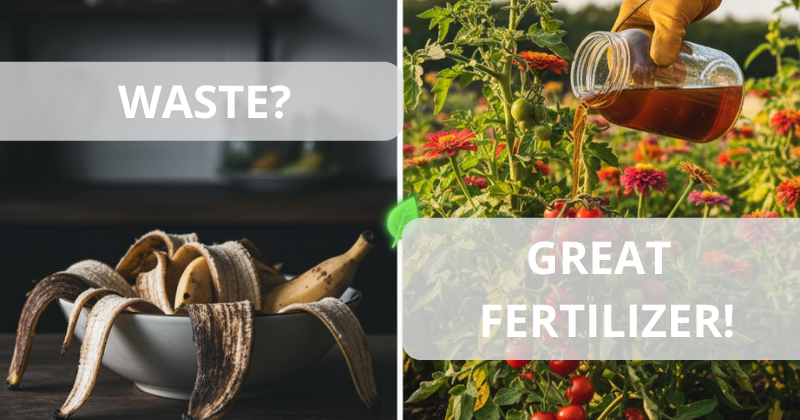
Transforming discarded banana peels into liquid nourishment for your garden feels like discovering an ancient secret—a form of kitchen alchemy that connects our daily rituals with the profound cycles of growth and renewal. This practice transforms what most consider waste into a potent elixir, rich with potassium, phosphorus, and the subtle magic of organic transformation.
The journey from breakfast companion to garden treasure begins with a simple shift in perception. Those brown-spotted peels harbor extraordinary potential, carrying within their cells the very nutrients that sustained the fruit—nutrients your plants desperately crave. Making banana peel fertilizer isn’t merely a practical gardening technique; it’s a meditation on cycles, a celebration of resourcefulness, and an intimate conversation with the living soil beneath our feet.
What Makes Banana Peels a Garden Treasure?
The magic residing in banana peels stems from their remarkable nutritional composition—a legacy of the banana plant’s own relationship with tropical soils. Each peel contains approximately 42% potassium, 25% phosphorus, and trace amounts of calcium, magnesium, and sulfur. These aren’t arbitrary numbers; they represent the plant’s blueprint for vitality.
Potassium orchestrates the opening and closing of stomata—those tiny breathing pores on leaves—regulating water uptake and photosynthetic efficiency. When you introduce banana peel fertilizer to your garden, you’re essentially providing your plants with the keys to better water management and enhanced stress resistance. I’ve watched tomato plants transform from drooping specimens into vigorous producers after consistent applications, their leaves developing that deep green luster that signals optimal health.
Phosphorus plays a quieter but equally crucial role, supporting root development and flower formation. For fruiting plants—tomatoes, peppers, roses—this element becomes the difference between modest blooms and abundant harvests. The phosphorus in banana peels exists in organic forms that release gradually, creating a sustained feeding program rather than the dramatic spike-and-crash pattern of synthetic fertilizers.
Beyond these primary nutrients, banana peels contain beneficial enzymes and amino acids that stimulate soil microbial activity. This hidden universe of bacteria, fungi, and microorganisms transforms your fertilizer from simple nutrient delivery into a catalyst for soil ecosystem enhancement. You’re not just feeding plants; you’re nurturing an entire underground community.
The Water Infusion Method: Liquid Gold for Thirsty Roots
Creating banana peel water represents the most accessible entry point into this practice—a gentle introduction that requires minimal equipment and delivers impressive results. This method extracts water-soluble nutrients while creating a fertilizer tea that plants absorb with remarkable efficiency.
Gathering Your Materials
Begin by collecting three to five banana peels. I prefer using peels from organic bananas to avoid pesticide residues, though conventional peels work adequately if thoroughly washed. The peels can be fresh or slightly aged—that brown stage where they’re no longer appetizing but haven’t begun serious decomposition. Cut them into strips approximately two inches wide to increase surface area for nutrient extraction.
You’ll need a large glass jar—mason jars work beautifully—capable of holding at least one liter of water. Glass allows you to observe the transformation as the water gradually darkens, taking on the amber hue that signals nutrient release. Fill your jar with filtered or dechlorinated tap water. Chlorinated water can inhibit the beneficial bacterial growth that enhances your fertilizer’s effectiveness.
The Steeping Process: Patience as Practice
Submerge your banana peel strips completely in the water, weighing them down with a smaller jar or clean stone if they float. Cover loosely with a cloth or breathable lid—you want air circulation without debris contamination. Place your jar in a warm location away from direct sunlight. A kitchen counter works perfectly.
Now comes the meditative part: waiting. Over the next 48 to 72 hours, osmosis and microbial action work their quiet magic. The water gradually deepens from clear to pale gold to rich amber. I check mine each morning, watching the transformation like one might observe a painting taking form. The process teaches patience—that essential gardening virtue we so often rush past.
After three days, strain out the peel fragments using cheesecloth or a fine-mesh strainer. The resulting liquid carries a faintly earthy scent—not unpleasant, but distinctly organic. This concentrated tea should be diluted before application: mix one part banana peel water with five parts fresh water. Undiluted, it may be too potent for tender plants.
Application Techniques That Honor the Plant
Apply your diluted fertilizer directly to the soil around plant bases, avoiding foliage to prevent fungal issues. I water thoroughly first with plain water, then follow with the banana peel solution—this prevents root shock and ensures even distribution. For potted plants, water until you see drainage from the bottom, allowing roots throughout the container to access nutrients.
Frequency matters as much as technique. During active growth periods—spring through summer for most plants—apply banana peel fertilizer weekly. As growth slows in autumn, reduce to biweekly applications. Winter dormancy requires no supplemental feeding; respect your plants’ natural rhythms.
The Fermentation Approach: Cultivating Beneficial Microbes
For those seeking a more alchemical experience, fermented banana peel fertilizer offers enhanced microbial benefits alongside nutrient delivery. This method produces a living fertilizer—teeming with beneficial bacteria and enzymes—that transforms your garden soil into a thriving ecosystem.
Creating Your Fermentation Vessel
Choose a container with a wide mouth—a glass jar or food-grade plastic bucket. Chop five to seven banana peels into small pieces, approximately one-inch squares. The smaller the pieces, the faster fermentation proceeds. Layer your chopped peels in the container, adding one tablespoon of brown sugar or molasses for every two peels. These sugars feed beneficial bacteria, jump-starting fermentation.
Add water to cover the peels completely, leaving two inches of headspace for fermentation gases. Stir vigorously to dissolve the sugar, then cover with a breathable cloth secured with a rubber band. The cloth allows carbon dioxide to escape while preventing contamination.
The Transformation Period
Place your fermentation vessel in a warm spot—ideal temperatures range between 68-77°F. A pantry or cabinet works well. For the first three days, stir your mixture once daily. You’ll notice bubbling—visible evidence of bacterial activity. The liquid develops a slightly sour, yeasty aroma reminiscent of kombucha or sourdough starter.
After one week, the active fermentation slows. Strain out solids, pressing them to extract maximum liquid. What remains is a potent, probiotic-rich fertilizer concentrate. This amber elixir should be stored in sealed containers in a cool, dark location, where it remains viable for up to three months.
Dilute fermented banana peel fertilizer more heavily than simple water infusions: one part concentrate to ten parts water. The enhanced microbial content means a little goes much further. Apply monthly during growing season, always to moist soil to protect beneficial bacteria from desiccation.
The Powder Method: Slow-Release Soil Amendment
Dried banana peel powder represents the most concentrated form of this natural fertilizer—a dark, earthy powder that releases nutrients gradually as soil microbes break it down. This method requires more preparation but creates a stable amendment you can store for months.
Drying and Processing
Begin by thoroughly washing your banana peels to remove surface residues. Pat dry, then cut into strips no wider than half an inch. Spread these strips on baking sheets lined with parchment paper. You have two drying options: sun-drying requires 3-5 days of direct sunlight, turning strips daily. The peels should become brittle and snap cleanly when fully dried.
Alternatively, use an oven at its lowest setting (150-170°F) for 6-8 hours. Check every two hours, rotating trays for even drying. The kitchen fills with a surprisingly pleasant, almost caramelized aroma—nothing like the composting smell one might expect.
Once thoroughly dried, process your peels into powder using a coffee grinder, spice grinder, or high-powered blender. Grind in short pulses to prevent overheating, which can destroy some nutrients. The resulting powder should be fine and uniform, resembling cocoa powder in texture.
Integration into Garden Soil
Mix banana peel powder directly into potting soil at a ratio of two tablespoons per gallon of soil. For established garden beds, work one cup of powder into the soil around each plant, scratching it into the top two inches where root activity concentrates. Water thoroughly after application to begin the decomposition process.
The powder method shines for container gardening and preparing soil for transplants. Mix it into planting holes before setting tomato or pepper transplants—the slow nutrient release supports plants through their entire growing season. I’ve experimented with adding powder to seed-starting mix, though use sparingly here: one teaspoon per quart of mix provides adequate nutrition without overwhelming delicate seedlings.
Composting Integration: The Circle Completes
Perhaps the most elegant application of banana peels involves incorporating them into existing composting systems, where they contribute to the larger transformation of kitchen and garden waste into rich humus. This approach requires patience but yields the most complete fertilizer.
Fresh banana peels are nitrogen-rich “green” material in composting terminology, despite their eventual brown color. Add them to your compost bin chopped into pieces, mixing with carbon-rich “brown” materials like dried leaves, shredded paper, or straw. The ideal carbon-to-nitrogen ratio hovers around 30:1, though composting forgives imprecision.
Banana peels decompose relatively quickly—typically within two to three weeks in an active, well-managed compost pile. Their soft tissues break down faster than woody materials, contributing moisture and encouraging microbial activity. I often bury fresh peels directly into the center of my compost pile, where temperatures reach 130-150°F—hot enough to accelerate decomposition while killing potential pathogens.
The resulting compost, enriched with banana peel nutrients, becomes a complete soil amendment. Unlike liquid fertilizers that provide quick nutrient hits, finished compost improves soil structure, water retention, and long-term fertility. Spread two to three inches of banana peel-enriched compost around plants each spring, gently working it into the top layer of soil.
Troubleshooting and Refinement: Learning Through Practice
Every gardener’s journey with banana peel fertilizer follows a unique path, shaped by local conditions, plant selection, and individual experimentation. Common challenges emerge, but each offers learning opportunities.
If your banana peel water develops an unpleasant, putrid odor rather than a mild earthy scent, fermentation has gone anaerobic—lacking oxygen. This typically results from inadequate air circulation or using too many peels in too little water. Discard this batch and start fresh, using fewer peels and ensuring your container isn’t sealed tightly.
Mold growth on fermenting peels usually indicates excess moisture or insufficient sugar to support beneficial bacteria over fungal competitors. Increase your sugar ratio slightly and ensure pieces are fully submerged. Surface mold can be skimmed off if caught early, though starting over provides peace of mind.
Some gardeners notice no visible improvement after banana peel fertilizer applications. Remember: this is a supplemental feeding program, not a complete nutrition solution. Plants require nitrogen, which banana peels provide minimally. Combine your banana peel applications with nitrogen-rich amendments like compost, aged manure, or grass clippings for balanced nutrition. Think of banana peels as the dessert course—valuable but not sustaining on their own.
For plants showing signs of potassium deficiency—yellowing leaf edges, weak stems, poor fruit development—banana peel fertilizer works wonders. However, if your soil has deeper issues—pH imbalances, compaction, poor drainage—no amount of banana peel magic will compensate. Conduct a soil test before assuming deficiencies; sometimes the problem lies not in what soil lacks but in what prevents plants from accessing available nutrients.
Maximizing Impact: Advanced Strategies and Seasonal Wisdom
Once you’ve mastered basic banana peel fertilizer creation, numerous refinements await. Combining banana peels with other kitchen scraps creates custom fertilizer blends tailored to specific plant needs. Eggshells add calcium—crucial for tomatoes and peppers prone to blossom end rot. Coffee grounds contribute nitrogen and slightly acidify soil, benefiting acid-loving plants like blueberries and azaleas.
Create a “kitchen scrap tea” by combining banana peels, eggshells, coffee grounds, and vegetable trimmings in your fermentation bucket. This diverse mixture provides broader nutrient spectrum than banana peels alone. Strain after two weeks and dilute 1:15 for a complete liquid fertilizer that rivals commercial products.
Seasonal timing enhances effectiveness. Spring applications—as plants emerge from dormancy—support vigorous leaf and stem growth. I apply banana peel water weekly during this explosive growth phase, watching plants respond with deep green foliage and sturdy stems. Summer applications focus on fruiting plants: tomatoes, peppers, squash, and flowering perennials. The potassium boost supports flower formation and fruit development, often increasing yields by 20-30% compared to unfed controls.
Autumn applications prepare plants for winter dormancy. Reduce frequency to biweekly, allowing plants to gradually slow growth rather than pushing new tender growth vulnerable to early frosts. Winter requires no supplemental feeding for most temperate plants—respect their dormancy rather than forcing unnatural growth.
Regional considerations matter profoundly. Tropical and subtropical gardens with year-round growing seasons can maintain consistent feeding schedules. Desert gardens benefit from banana peel fertilizer’s moisture-retaining properties—the organic matter helps sandy soils hold water. Humid climates may need to adjust fermentation times, as higher humidity can accelerate or alter decomposition patterns.
Conclusion: From Kitchen Waste to Garden Wisdom
The practice of making banana peel plant fertilizer transcends simple nutrient delivery—it represents a philosophical shift in how we perceive waste, value, and our relationship with growing things. Each peel saved from the trash bin becomes a small act of stewardship, a recognition that nature’s cycles contain no true waste, only transformations we haven’t yet recognized.
Your journey with banana peel fertilizer will evolve through seasons and experiments. You’ll develop preferences—perhaps favoring the quick results of water infusions or the slow-release reliability of powder. You might embrace fermentation’s microbial magic or prefer the simplicity of adding fresh peels directly to compost. Each method works; each teaches different lessons about patience, observation, and the subtle art of working with natural processes rather than against them.
Start today with a single banana peel. Let it steep in water on your counter, watching the transformation unfold. Apply that first batch to a favorite plant and observe over coming weeks. Notice the subtle shifts in leaf color, stem strength, or flowering abundance. These quiet changes represent more than improved plant health—they’re evidence of your growing fluency in the language of gardens, your deepening understanding of the intricate relationships that sustain all growing things.
The banana peel on your breakfast plate holds potential far beyond its obvious destiny. It awaits transformation, ready to teach you about cycles, patience, and the profound satisfaction of creating fertility from what others discard. Your garden is waiting for this gift, and you now possess the knowledge to provide it.Réessayer