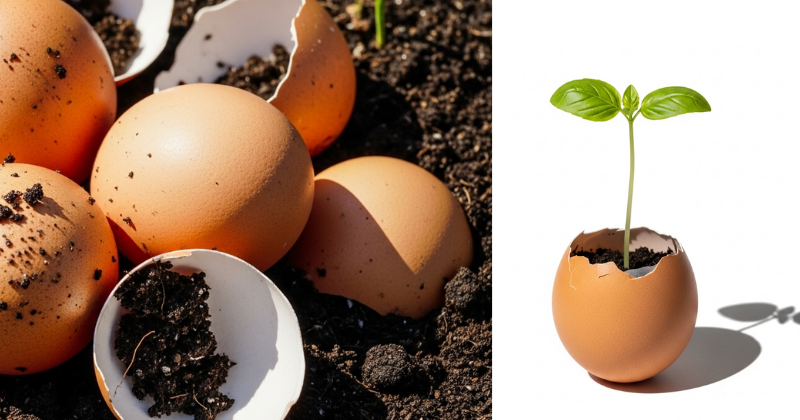
Every time you crack an egg for breakfast, you’re holding a secret garden superpower! Instead of tossing those shells, you can easily transform them into a free, powerful, and natural fertilizer that your plants—especially tomatoes, peppers, and brassicas—will absolutely love. Learning how to make eggshell fertilizer is one of the easiest, most satisfying DIY gardening projects, helping you reduce waste while boosting your harvest. Eggshells are nearly 100% calcium carbonate, a crucial nutrient often missing in garden soil. This guide provides step-by-step instructions on preparation, application, and advanced tips to ensure your plants thrive. Get ready to achieve robust growth and prevent common deficiency problems by mastering this simple, sustainable technique!

🥚 Foundation First: The Power of Eggshells in Your Soil
The primary benefit of using eggshell fertilizer comes down to one element: calcium. Calcium is essential for strong cell walls, which helps plants maintain structure, resist disease, and manage nutrient uptake. For passionate gardeners, calcium deficiency is a familiar and frustrating problem.
Why Calcium is Crucial for Garden Plants
- Prevents Blossom End Rot (BER): This is the most famous use for eggshells. BER is not a disease but a physiological disorder caused by a plant’s inability to move enough calcium to its developing fruit. It typically affects tomatoes, peppers, squash, and eggplants, resulting in dark, rotten patches on the bottom of the fruit. By providing accessible calcium, you help prevent this issue.
- Supports Cell Structure: Adequate calcium ensures plants develop strong cell walls, making them more resilient to environmental stress and minor pests.
- Soil Amendment: Eggshells, when ground into a fine powder, can act as a natural, slow-release lime substitute to gently raise the soil’s pH (making it less acidic). This is beneficial for many garden vegetables.
Using eggshell fertilizer is an achievable way to connect your kitchen habits with the ecosystem of your garden, demonstrating the power of simple, sustainable amendments.
H3: Addressing Common Concerns Before Starting
The biggest mistake beginners make is simply tossing large, unwashed eggshell pieces directly into the garden. This is ineffective because:
- They Don’t Break Down Fast Enough: Large pieces take years to decompose, offering no immediate benefit. They must be finely ground.
- They Attract Pests: Unwashed shells can retain egg residue, which attracts rodents and other scavengers to your garden beds.
- They Spread Bacteria: Unsanitized shells carry Salmonella, which must be neutralized by heat before using in vegetable gardens.
The DIY method below addresses these concerns with simple, practical steps, ensuring your eggshell fertilizer is safe and highly effective.
🍳 Step-by-Step Process: How to Make Eggshell Fertilizer Powder
To create a powerful, fast-acting eggshell fertilizer, you need to ensure the shells are sterilized and ground into a fine powder. This is where the magic happens, unlocking the calcium for plant roots to absorb.
Core Methods: Sterilization and Grinding
- Collect and Wash: Start collecting your eggshells! As you use them, gently rinse them under cool water to remove all traces of egg white or yolk. Place them on a counter to dry. You’ll need about 10-12 eggshells to get a decent amount of fertilizer powder.
- Sterilize (The Essential Step): Place the dried, rinsed eggshells on a baking sheet. Bake them in the oven at 200–250°F (93–121°C) for 10 to 30 minutes, or until they are completely dry, brittle, and slightly toasted.
- Safety Consideration: The low heat sterilizes the shells, neutralizing any residual bacteria like Salmonella. It also makes them incredibly brittle for easy grinding.
- Cool Completely: Remove the shells and let them cool fully. They should feel fragile and crispy.
- Grind to Powder: Transfer the cooled, brittle shells into a blender, food processor, or dedicated coffee grinder. Grind them until they achieve a texture as fine as possible—ideally a powder consistency. This finer texture is critical because it significantly increases the surface area, allowing the calcium carbonate to break down and release into the soil much faster.
- Store: Store your finished eggshell fertilizer powder in an airtight container (like a mason jar) in a cool, dry place. This homemade amendment will last indefinitely.
- (Internal Linking Opportunity: For other sustainable soil amendments, refer to our “Complete Guide to Composting Kitchen Scraps.”)
🌱 Advanced Strategies: Applying Your Eggshell Fertilizer
Once you have your fine eggshell fertilizer powder, knowing the best way to apply it is crucial for maximizing benefits, whether you are planting seedlings or maintaining mature plants.
H3: Application Methods for Maximum Calcium Absorption
- Direct Soil Incorporation (The Best Method): Mix 1-2 tablespoons of the fine eggshell powder into the soil of a container plant, or directly into the planting hole before setting out heavy feeders like tomato and pepper seedlings. This ensures the calcium is right where the roots need it most from the beginning.
- Top Dressing/Side Dressing: For established plants that are showing signs of deficiency, gently scratch 1 tablespoon of the powder into the top inch of soil around the base of the plant. Water immediately after application to help the breakdown process begin.
- Eggshell Tea (Liquid Fertilizer): For a faster calcium boost, you can create a liquid fertilizer. Crush the eggshells (they don’t need to be powdered for this method, though smaller is better) and boil them in water for about 15-20 minutes. Let the water cool completely and steep overnight. Strain the mixture and use this “calcium tea” to water plants showing signs of stress.
H3: Seasonal Considerations for Eggshell Use
- Spring Planting: This is the most crucial time! Always incorporate the powder directly into the soil when planting tomatoes, peppers, and eggplant to preemptively prevent Blossom End Rot later in the season.
- Year-Round: For houseplants and general container gardening, top-dress every 4–6 months to replenish calcium stores that are often depleted through regular watering.
🐌 Troubleshooting and Complementary Strategies
Beyond providing calcium, eggshell fertilizer can also be used as a physical barrier in the garden, though this requires a different preparation approach.
Featured Snippet Potential: “Can eggshells stop slugs and snails in the garden?”
Yes, coarsely crushed eggshells can act as a physical deterrent against soft-bodied pests like slugs and snails. The shells must be crushed into sharp, slightly larger fragments (not a fine powder). When scattered in a wide, thick ring around vulnerable plants, the sharp edges create an abrasive barrier that slugs and snails avoid crossing. This is a great, non-toxic preventative measure to protect young seedlings.
Addressing Eggshell Fertilizer Challenges
- Patience is Key: Even finely ground powder takes time to fully break down and release calcium into a form the plant can absorb, especially in cooler soil. If you are dealing with an acute BER issue, you may need to supplement the eggshells with a fast-acting liquid calcium product while the eggshells work their long-term magic.
- The Soil pH Factor: Since eggshells raise pH, avoid using excessive amounts around plants that thrive in highly acidic soil, such as blueberries, rhododendrons, and azaleas. Perform a simple DIY soil pH test first to understand your baseline.
- The “Whole Shell” Mistake: If you skip the grinding step and only use large, crushed pieces, you will likely see no benefit in the short term, and they may harbor pests. Remember: finely ground powder for nutrition; coarsely crushed fragments for pest control.
✨ Maximizing Results: Next Level Tips
Using eggshell fertilizer can be part of a holistic approach to soil health and fertility, complementing other strategies for sustainable gardening.
Next Level Soil Health
- The Eggshell and Coffee Ground Blend: Coffee grounds are rich in nitrogen, beneficial for leafy growth, and slightly acidic. Blending the slightly alkaline eggshell fertilizer powder with used, dried coffee grounds creates a balanced slow-release amendment for many general garden vegetables. (Internal Linking Opportunity: Discover more uses for kitchen scraps in our “Guide to Using Coffee Grounds in the Garden.”)
- Compost Boost: While shells take time to break down in a cold compost pile, adding the finely ground, sterilized powder to your composting system introduces calcium early in the process. This benefits the microorganisms that drive decomposition and ensures a richer final product.
- Seed Starting Containers: Use the bottom halves of eggshells as biodegradable pots for starting seeds indoors. Fill the cleaned shell halves with seed starting mix, plant your seeds, and when ready, crush the bottom of the shell and plant the entire unit directly into the garden. The shell provides an immediate calcium boost to the seedling’s roots.
💚 Conclusion: Sustainable, Powerful Gardening
You now know the simple, actionable steps how to make eggshell fertilizer—a powerful, cost-free calcium amendment derived from kitchen waste. You have mastered sterilization, the critical technique of fine grinding, and the best ways to apply this powder to ensure a thriving, rot-free garden.
Embrace this sustainable practice and unlock the full potential of your garden beds. The deep satisfaction of seeing your tomatoes resist Blossom End Rot, all thanks to your mindful use of eggshells, is truly rewarding. Remember the connection with nature and the ecosystem benefits every time you crack an egg!