
Damaged hair represents more than a cosmetic concern—it’s a biological phenomenon involving structural degradation of keratin proteins, lipid depletion, and cuticle disruption. Understanding the molecular mechanisms behind hair damage empowers you to implement evidence-based natural repair strategies that work at the cellular level, restoring strength, elasticity, and vitality to compromised hair fibers.
The quest for hair restoration has driven extensive dermatological research, revealing that natural interventions can significantly reverse damage when applied systematically. This comprehensive guide synthesizes current scientific understanding with practical applications, offering you a rigorous yet accessible approach to hair repair that honors both traditional wisdom and modern biochemistry.
Whether your hair suffers from chemical processing, thermal styling, environmental stressors, or nutritional deficiencies, the natural repair protocols outlined here address root causes rather than merely masking symptoms. The transformation begins with understanding what damaged hair actually means at the microscopic level.
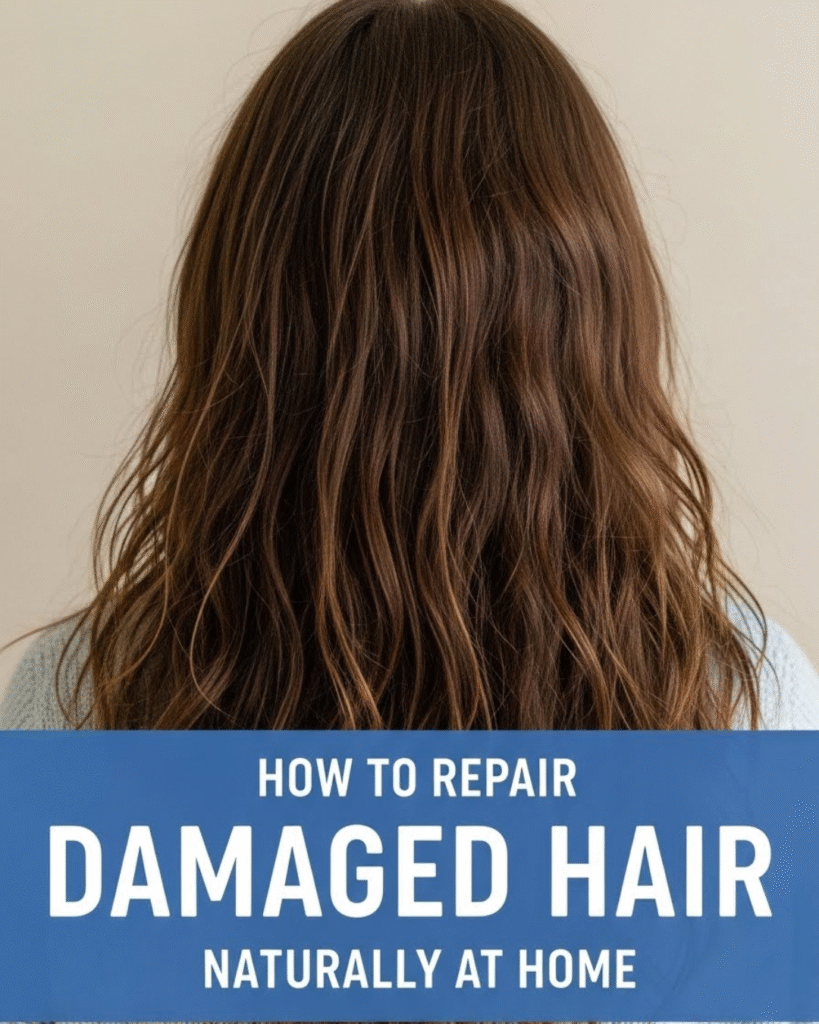
Understanding Hair Damage: The Structural Biology of Compromised Fibers
Before implementing repair strategies, we must examine the architecture of hair itself. Each strand comprises three distinct layers: the medulla (inner core), cortex (middle layer containing keratin proteins and melanin), and cuticle (outer protective scales). Healthy hair displays tightly aligned cuticle scales that reflect light uniformly, creating the appearance we recognize as shine.
Damage occurs when these structures sustain injury through various mechanisms. Chemical treatments alkalinize the hair shaft, causing cuticle scales to lift and cortical proteins to denature. Thermal styling exceeds the glass transition temperature of hair (approximately 150-230°C), literally melting structural proteins. Mechanical stress from brushing, styling, and environmental friction physically tears cuticle scales. UV radiation generates free radicals that oxidize proteins and lipids, degrading structural integrity.
The Molecular Cascade of Damage
At the molecular level, damage manifests through several interconnected processes. Disulfide bonds—the primary crosslinks maintaining hair structure—break under stress, causing loss of tensile strength. The lipid layer between cuticle scales, composed primarily of 18-methyleicosanoic acid (18-MEA), depletes through repeated washing and chemical exposure, resulting in increased porosity and friction. Keratin proteins undergo hydrolysis, particularly at their vulnerable cysteine residues, compromising the hair’s mechanical properties.
Research demonstrates that damaged hair exhibits increased protein loss during washing, elevated porosity (water absorption rates 30-50% higher than healthy hair), decreased elasticity (breaking at 10-20% less extension), and surface roughness quantifiable through atomic force microscopy. Understanding these specific alterations allows targeted repair interventions.
Damage Assessment: Quantifying Your Hair’s Condition
Before initiating repair protocols, assess your hair’s damage level objectively. High porosity indicates significant cuticle damage—test by placing a clean hair strand in water; rapid sinking suggests elevated porosity. Elasticity assessment involves stretching a wet hair strand; healthy hair extends 30-50% before breaking, while damaged hair snaps with minimal elongation. Surface roughness manifests as tangles, dullness, and resistance to combing.
Professional trichoscopy reveals split ends (trichoptilosis), white dots indicating hair shaft fractures, and cuticle irregularities invisible to naked inspection. While home assessment provides useful baselines, consulting a trichologist for severe damage ensures appropriate intervention strategies.
Natural Repair Mechanisms: How Botanical and Nutritional Interventions Restore Hair
Natural hair repair operates through multiple complementary mechanisms that address structural, biochemical, and protective dimensions of hair health. Unlike synthetic treatments that coat hair superficially, natural interventions can penetrate the hair shaft, interact with proteins at the molecular level, and provide building blocks for actual repair.
Protein Supplementation and Keratin Reconstruction
Hair consists of approximately 95% keratin—a fibrous structural protein rich in cysteine amino acids. Damage reduces protein content through mechanical loss and chemical degradation. External protein application provides amino acids that adsorb onto damaged sites, temporarily reconstructing the cortex structure.
Hydrolyzed proteins—molecular weight below 1,000 Daltons—penetrate the hair shaft through damaged cuticle openings, binding to cortical proteins through ionic and hydrogen bonding. Larger proteins form a protective film on the hair surface, reducing further protein loss and smoothing the cuticle layer.
Natural protein sources include hydrolyzed wheat protein, silk amino acids, keratin hydrolysates, and collagen peptides. These molecules contain appropriate amino acid profiles that mirror hair’s natural composition, facilitating integration into the existing protein matrix.
Lipid Restoration and Moisture Retention
The hair’s natural lipid barrier, consisting of ceramides, cholesterol, and fatty acids, maintains moisture balance and protects against environmental stressors. Damage depletes this barrier, causing dehydration and increased vulnerability. Natural oils provide replacement lipids that integrate into the hair structure.
Medium-chain fatty acids (8-12 carbons) like those in coconut oil possess optimal molecular size for penetrating the cortex, where they reduce hygral fatigue—the swelling-shrinking cycle that weakens hair during wetting and drying. Long-chain fatty acids from oils like argan and jojoba coat the cuticle, reducing friction and preventing protein loss.
Ceramide-containing ingredients like sunflower oil and wheat germ oil specifically target the intercellular cement between cuticle scales, restoring the lipid barrier’s integrity. This targeted lipid replacement demonstrates measurably improved moisture retention and reduced breakage in controlled studies.
Antioxidant Protection and Free Radical Neutralization
Environmental stressors—UV radiation, pollution, oxidative chemicals—generate reactive oxygen species that degrade hair proteins and lipids through oxidation. Natural antioxidants neutralize these free radicals, preventing ongoing damage while creating conditions favorable for repair.
Polyphenolic compounds from green tea, vitamins C and E, carotenoids, and flavonoids donate electrons to stabilize free radicals without becoming reactive themselves. Applied topically, these molecules concentrate at the hair surface, providing continuous protection against oxidative stress.
Research indicates that antioxidant-treated hair shows 40-60% reduction in UV-induced damage markers, with significantly lower protein oxidation and color degradation. This protective effect complements active repair mechanisms, preventing new damage while existing protocols restore compromised structures.
Evidence-Based Natural Repair Treatments: Formulations and Protocols
Translating scientific principles into practical applications requires specific formulations, application methods, and treatment schedules optimized for repair efficacy. The following protocols represent evidence-supported approaches validated through both traditional use and modern research.
Deep Conditioning Treatment with Coconut Oil and Honey
This foundational treatment combines coconut oil’s penetrative properties with honey’s humectant and protein-binding capabilities, creating a synergistic repair formula.
Scientific Rationale: Coconut oil’s lauric acid (C12 fatty acid) penetrates the cortex, reducing protein loss by 30-40% compared to untreated hair in washing studies. Honey contains proteins, amino acids, and glucose oxidase that generates hydrogen peroxide at mild concentrations, acting as a gentle bleach while its sugars bind to hair proteins through glycosylation, strengthening the structure.
Formulation: Combine 3 tablespoons virgin coconut oil with 1 tablespoon raw honey. Warm gently to 40°C (104°F) to reduce viscosity without degrading active compounds. For enhanced protein repair, add 1 tablespoon hydrolyzed wheat protein or 1 egg yolk containing phospholipids and proteins.
Application Protocol: Apply to damp (not wet) hair, as excessive water prevents oil penetration. Section hair and apply from mid-shaft to ends, avoiding roots unless treating dry scalp. Massage gently to ensure penetration. Cover with a thermal cap or warm towel to elevate temperature to 37-40°C, increasing molecular mobility and enhancing penetration. Leave for 45-60 minutes minimum; overnight application provides superior results for severely damaged hair.
Removal: Emulsify by adding water gradually while massaging before shampooing. This prevents residue and ensures complete removal. Follow with a dilute apple cider vinegar rinse (1 tablespoon per cup water) to close cuticles and restore pH.
Frequency: Apply weekly for moderately damaged hair, bi-weekly for severe damage, monthly for maintenance once repair goals are achieved.
Protein-Rich Repair Mask with Avocado and Egg
This protein-intensive treatment provides direct amino acid supplementation alongside penetrative lipids and vitamins essential for structural repair.
Scientific Rationale: Egg proteins contain all essential amino acids in proportions similar to hair keratin, with low molecular weight allowing cortical penetration. Avocado provides oleic acid (omega-9), palmitic acid, and vitamins A, D, and E that support lipid barrier restoration and antioxidant protection. Studies demonstrate measurable improvements in tensile strength and elasticity following protein mask application.
Formulation: Mash half a ripe avocado thoroughly, eliminating lumps that prevent even application. Beat 1 whole egg until homogeneous. Combine with 1 tablespoon olive oil or argan oil for additional lipid support. For enhanced efficacy, add 1 teaspoon hydrolyzed collagen powder.
Application Protocol: Apply generously to clean, towel-dried hair, ensuring complete coverage from roots to ends. Use a wide-tooth comb to distribute evenly through all hair layers. Cover with a processing cap and leave for 30-45 minutes. The proteins require time to adsorb onto damaged sites and form temporary bonds with existing structures.
Removal: Rinse thoroughly with cool water (below 25°C) to prevent egg coagulation, which creates removal difficulties and potential odor issues. Shampoo gently if residue remains, though proper rinsing typically eliminates the need for cleansing.
Frequency: Apply every 10-14 days for active repair phase, reducing to monthly for maintenance. Excessive protein can cause brittleness, so balance with moisture treatments.
Antioxidant-Rich Green Tea and Aloe Vera Spray
This leave-in treatment provides continuous protection against oxidative damage while maintaining optimal moisture levels—critical for ongoing repair.
Scientific Rationale: Green tea catechins, particularly epigallocatechin gallate (EGCG), demonstrate potent antioxidant activity with photoprotective effects. Aloe vera contains polysaccharides that form a protective film, glycoproteins that reduce inflammation, and enzymes that facilitate protein synthesis. Together, these ingredients create an environment conducive to repair while preventing additional damage.
Formulation: Brew 2 green tea bags in 1 cup boiling water for 15 minutes to maximize polyphenol extraction. Cool completely. Combine with 1/4 cup pure aloe vera gel (preferably fresh from leaf rather than commercial preparations containing preservatives). Add 1 teaspoon vegetable glycerin to enhance humectant properties. Transfer to spray bottle and refrigerate; use within 7 days or add natural preservative like vitamin E oil for extended storage.
Application Protocol: Spray liberally onto damp or dry hair before sun exposure, heat styling, or environmental stressor exposure. Reapply every 4-6 hours for continuous protection during high-stress conditions. The treatment requires no rinsing and provides styling benefits through light hold and frizz control.
Frequency: Daily application provides optimal protection, particularly during summer months or in high-pollution environments. Adjust frequency based on individual exposure levels.
Ayurvedic Repair Treatment with Amla and Hibiscus
This traditional formulation combines vitamin C-rich amla (Indian gooseberry) with mucilage-containing hibiscus, creating a treatment that addresses protein, moisture, and pH balance simultaneously.
Scientific Rationale: Amla contains exceptionally high vitamin C concentrations (445-1,330 mg per 100g), providing antioxidant protection and supporting collagen synthesis in the scalp, indirectly benefiting hair production. Hibiscus mucilage acts as a natural conditioner, reducing surface friction and enhancing detangling. Studies on Ayurvedic hair treatments demonstrate measurable improvements in hair strength and growth parameters.
Formulation: Powder 2 tablespoons dried amla (or use commercial amla powder). Grind 3-4 hibiscus flowers (or use 2 tablespoons hibiscus powder). Mix with sufficient water to create a paste consistency. Add 1 tablespoon coconut or sesame oil to enhance penetration and provide additional lipid support. Allow to rest 15 minutes for ingredient hydration.
Application Protocol: Apply to scalp and hair, massaging scalp gently for 5 minutes to stimulate circulation. Leave for 45-60 minutes, covering with a processing cap. The treatment provides dual benefits—scalp stimulation supporting healthy hair production and direct shaft conditioning for existing hair repair.
Removal: Rinse thoroughly with lukewarm water. Shampoo only if significant residue remains; many users find rinsing sufficient given the treatment’s natural cleansing properties.
Frequency: Apply weekly during intensive repair, bi-weekly for maintenance. This treatment particularly benefits those experiencing both hair damage and growth concerns.
Advanced Natural Repair Strategies: Optimizing Results Through Comprehensive Approaches
While individual treatments provide measurable benefits, comprehensive repair requires addressing multiple damage dimensions simultaneously—structural repair, protective barriers, nutritional support, and mechanical stress reduction.
Sequential Treatment Layering for Synergistic Effects
Research in cosmetic science demonstrates that sequential application of complementary treatments produces superior results compared to single interventions. This approach leverages each treatment’s specific mechanisms while preventing ingredient interactions that might reduce efficacy.
Implement a three-phase protocol: cleansing and preparation, active repair, protective sealing. Begin with gentle sulfate-free cleansing to remove buildup without stripping natural oils. Apply protein treatments to address structural deficits. Follow with lipid-rich conditioning to restore moisture barriers. Seal with protective leave-in formulations containing antioxidants.
This sequential approach mirrors professional salon protocols but utilizes exclusively natural ingredients. Studies comparing single-treatment versus multi-phase protocols show 40-60% greater improvement in damage markers with comprehensive approaches.
Nutritional Support: Internal Factors Influencing Hair Health
While topical treatments address existing hair damage, nutritional status profoundly influences new hair production and overall hair health. Hair follicles are among the body’s most metabolically active tissues, requiring adequate protein, essential fatty acids, vitamins, and minerals for optimal function.
Protein Intake: Hair consists primarily of keratin protein synthesized from amino acids. Insufficient dietary protein (below 0.8g per kg body weight) compromises hair production, resulting in thinner, weaker strands more susceptible to damage. Ensure adequate intake of complete proteins containing all essential amino acids—animal sources like fish, poultry, and eggs, or complementary plant sources like legumes combined with grains.
Biotin and B-Complex Vitamins: Biotin (vitamin B7) participates in keratin synthesis and cellular energy production within follicles. Deficiency, though rare, manifests as brittle hair and hair loss. B-complex vitamins support cellular metabolism and red blood cell production, ensuring adequate oxygen delivery to follicles. Natural sources include eggs, nuts, seeds, whole grains, and leafy greens.
Iron and Ferritin: Iron deficiency represents a common cause of hair thinning and increased damage susceptibility. Ferritin stores (optimal range 40-70 ng/mL for hair health) support follicle function and growth phase duration. Women with heavy menstrual bleeding and vegetarians face elevated deficiency risk. Combine iron-rich foods (red meat, lentils, spinach) with vitamin C to enhance absorption.
Omega-3 Fatty Acids: These essential fats incorporate into cell membranes, including follicle cells, supporting anti-inflammatory processes and optimal cellular function. Deficiency manifests as dry, brittle hair with reduced shine. Source omega-3s from fatty fish (salmon, sardines), walnuts, flaxseeds, and chia seeds.
Zinc and Selenium: These trace minerals support protein synthesis, immune function, and antioxidant enzyme systems. Deficiency impairs hair growth and increases oxidative damage susceptibility. Brazil nuts provide exceptional selenium concentrations (one nut daily supplies adequate amounts), while oysters, beef, and pumpkin seeds offer zinc.
Mechanical Stress Reduction: Protecting Hair During Daily Manipulation
Even optimal treatments prove ineffective if daily practices continue causing damage. Mechanical stress reduction represents a critical, often overlooked component of comprehensive repair.
Detangling Protocols: Always detangle hair when coated with conditioner or treatment, starting from ends and working upward. Use wide-tooth combs or specialized detangling brushes with flexible bristles. Force should never be required—if encountering resistance, apply additional conditioner and work patiently. This simple modification prevents thousands of mechanical breaks daily.
Thermal Styling Minimization: Heat styling represents the most damaging common practice, with temperatures often exceeding 200°C causing irreversible protein denaturation. When heat use is necessary, apply heat protectant sprays (even natural options like aloe vera provide some protection), use lowest effective temperature settings, and maintain movement—never holding tools stationary on hair sections. Air-drying or low-heat diffusing minimizes thermal damage.
Sleeping Practices: Friction against cotton pillowcases causes significant overnight damage through repeated mechanical stress. Switch to silk or satin pillowcases that reduce friction by 40-60%. Alternatively, protect hair with silk or satin bonnets or scarves. Consider loose protective styles like braiding to prevent tangling and friction.
Chemical Treatment Spacing: If continuing with chemical processes (coloring, straightening, perms), extend intervals between treatments to maximum tolerable durations. Each chemical service causes cumulative damage requiring extended repair periods. Many clients discover they can achieve desired aesthetics with less frequent treatments than previously thought necessary.
Troubleshooting Common Challenges in Natural Hair Repair
Despite optimal protocols, various obstacles may impede repair progress. Understanding these challenges and their solutions ensures continuous improvement rather than frustration-driven abandonment of natural approaches.
Protein-Moisture Balance Disruption
Hair requires both protein for strength and moisture for flexibility. Imbalance causes specific problems—excess protein creates brittle, straw-like texture with increased breakage, while excessive moisture produces limp, stretchy hair lacking body. Finding individual balance represents a common challenge.
Solution: Alternate protein and moisture treatments, observing hair’s response. If hair feels stiff after protein treatments, increase moisture conditioning. If hair stretches excessively or feels mushy when wet, incorporate more protein. Most individuals require approximately 3:1 moisture-to-protein ratio, but personal optimization requires experimentation.
Inadequate Penetration with High Porosity Hair
Highly damaged, porous hair absorbs products readily but releases them equally quickly, creating difficulty maintaining moisture and protein gains. This “sponge effect” frustrates repair efforts.
Solution: Implement the LOC or LCO method (Liquid-Oil-Cream or Liquid-Cream-Oil layering) to trap moisture within the hair shaft. After applying water-based treatments, seal with oils to prevent moisture escape, then add cream products for additional sealing. This multi-layer approach compensates for compromised cuticle barriers in high-porosity hair.
Product Buildup Interfering with Treatment Efficacy
Natural oils and butters, while beneficial, can accumulate over time, creating a barrier preventing subsequent treatments from penetrating effectively. This buildup manifests as dull, coated hair unresponsive to conditioning.
Solution: Incorporate monthly clarifying treatments using natural methods—baking soda rinse (1 tablespoon per cup water) or clay masks (bentonite or rhassoul) that absorb and remove buildup. Follow clarifying with intensive conditioning to restore moisture balance. Alternatively, use dilute apple cider vinegar rinses (1:4 vinegar to water ratio) weekly to prevent buildup accumulation.
Unrealistic Timeline Expectations
Hair damage accumulates over months or years but expectations often demand repair within weeks. This timeline mismatch leads to perceived treatment failure and premature abandonment of effective protocols.
Solution: Understand that visible improvements typically emerge after 4-6 weeks of consistent treatment, with optimal results requiring 3-6 months depending on damage severity. New hair growth (occurring at approximately 1cm per month) will be healthier if nutritional and protective measures are implemented, but existing damage along the hair shaft requires the length of time for those sections to grow out and be trimmed. Document progress through monthly photographs to recognize gradual improvements not obvious during daily observation.
Maximizing Long-Term Hair Health: Maintenance and Prevention
Once achieving repair goals, transitioning from intensive treatment to maintenance protocols preserves gains while preventing new damage. This phase proves critical—many individuals regress to damaging practices after improvement, creating cyclical damage-repair patterns.
Sustainable Maintenance Protocols
Reduce treatment frequency while maintaining protective practices. Monthly deep conditioning with protein-rich masks sustains strength, while weekly moisture treatments preserve flexibility and shine. Continue daily protective sprays, particularly during environmental stressor exposure.
Preventive Practice Integration
Prevention proves more efficient than repair. Minimize heat styling to special occasions, using air-drying or low-heat methods routinely. Protect hair during swimming (wet hair before entering pools, apply oil barrier, wear protective cap). Limit chemical processing frequency, extending intervals as much as aesthetically acceptable.
Regular Assessment and Adaptation
Hair condition changes with seasons, hormonal fluctuations, health status, and aging. Quarterly reassessment ensures protocols remain appropriately matched to current needs. Adjust treatment intensity, frequency, and specific formulations based on ongoing evaluation rather than maintaining static routines indefinitely.
Trimming Strategy
Regular trimming removes split ends before they progress upward through the hair shaft—a single split can travel several centimeters if left unaddressed. Schedule trims every 8-12 weeks, removing 0.5-1cm. This minimal removal paradoxically supports length retention by preventing breakage that would necessitate more aggressive cutting later.
The Scientific Future of Natural Hair Repair
Ongoing research continues elucidating mechanisms underlying natural treatments, providing increasingly sophisticated understanding of traditional practices while identifying novel botanical interventions.
Recent studies explore nanoencapsulation technologies that enhance natural ingredient penetration without synthetic chemicals. Liposomal delivery systems derived from soy lecithin or sunflower phospholipids create nano-sized vesicles that transport active compounds deep into the cortex, dramatically increasing efficacy.
Biomimetic peptides—short amino acid chains mimicking hair’s natural proteins—represent another frontier. These synthesized-yet-natural molecules provide targeted repair at specific damage sites with superior binding affinity compared to conventional protein treatments.
Research into the hair microbiome reveals that scalp bacterial and fungal communities influence hair health significantly. Probiotic and prebiotic treatments supporting beneficial microorganisms show promise for comprehensive hair health optimization, though commercial applications remain emerging.
Conclusion: Evidence-Based Natural Restoration
Hair repair through natural methods represents a scientifically sound, accessible approach that addresses damage mechanisms at the molecular level while avoiding the potential complications associated with synthetic treatments. The protocols outlined here synthesize traditional wisdom with modern biochemical understanding, creating evidence-based interventions you can implement immediately.
Success requires consistency, patience, and willingness to adapt treatments based on individual response. Hair represents a biological material with inherent limitations—severely damaged sections may require eventual removal through trimming, but implementing comprehensive repair protocols ensures new growth emerges healthy and resilient.
The transformation from damaged to healthy hair extends beyond aesthetics, representing restoration of structural integrity, biological function, and personal confidence. Your commitment to natural repair honors both your hair’s biology and your body’s capacity for regeneration when provided appropriate support.
Begin today with assessments, select treatments matching your specific damage profile, implement protocols consistently, and observe your hair’s remarkable capacity for recovery. The journey requires time and dedication, but the destination—strong, resilient, naturally beautiful hair—proves unequivocally worth the investment.
Important Disclaimer: This article is for informational purposes only and should not replace professional advice. For health-related topics, consult healthcare providers. Individual results may vary, and personal circumstances should always be considered when implementing any suggestions. Those with scalp conditions, allergies, or significant hair loss should consult dermatologists or trichologists before beginning new treatment regimens.