Understanding the key signs of tuberculosis (TB) can help you detect it early and seek timely treatment. Early recognition of TB symptoms improves outcomes, prevents complications, and reduces the risk of spreading the infection.
Meta Description: Learn the key symptoms and signs of tuberculosis (TB) for early detection and timely intervention to protect your health and prevent complications.
Understanding Tuberculosis: A Foundation
Tuberculosis is a contagious bacterial infection caused by Mycobacterium tuberculosis. While it primarily affects the lungs, TB can also impact other organs such as the kidneys, spine, and brain. Recognizing its early manifestations is crucial because TB often develops slowly and can remain latent for months or even years.
How TB Spreads
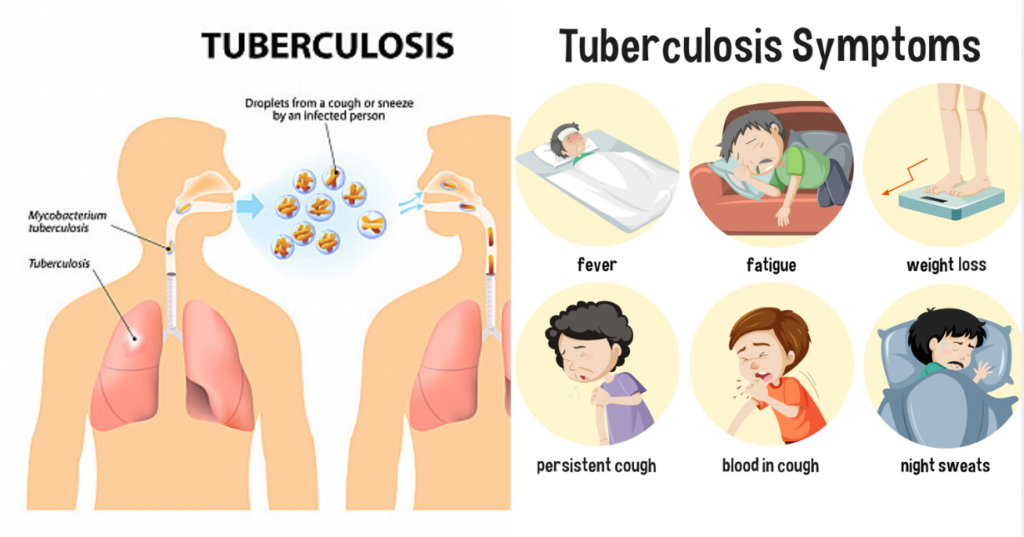
TB is typically transmitted through airborne droplets when a person with active pulmonary TB coughs, sneezes, or speaks. Close, prolonged contact increases the risk of infection, making early detection and preventive measures essential for family members and communities.
Latent vs. Active TB
- Latent TB: The bacteria remain dormant without causing symptoms. You may feel healthy but can develop active TB later.
- Active TB: The infection is symptomatic and contagious. Prompt diagnosis and treatment are necessary to prevent severe complications.
Common Symptoms of Tuberculosis
Recognizing the warning signs of TB is the first step in ensuring early intervention. Symptoms can vary depending on the organs involved but often include the following:
Persistent Cough
A cough lasting more than two weeks is a hallmark of pulmonary TB. This cough may:
- Produce mucus or blood-tinged sputum
- Worsen over time
- Be accompanied by chest discomfort
Fatigue and Weakness
Unexplained fatigue is common in TB. Persistent tiredness occurs due to the body’s immune response and nutrient depletion.
Fever and Night Sweats
Low-grade fever and drenching night sweats often signal TB infection. These symptoms may appear gradually and may be overlooked initially.
Weight Loss and Appetite Loss
Unintentional weight loss is another common sign. TB affects metabolism and appetite, often leading to noticeable physical changes over weeks or months.
Other Possible Signs
- Shortness of breath or chest pain
- Swollen lymph nodes, especially in the neck
- Symptoms related to TB in other organs, such as back pain for spinal TB
Step-by-Step Guide to Early Detection
Early detection of TB can save lives and reduce transmission. Here’s how you can approach it systematically:
Step 1: Monitor Symptoms
Keep track of persistent or unusual symptoms, including cough, fever, night sweats, and fatigue. Early observation can prompt timely medical consultation.
Step 2: Seek Medical Evaluation
If TB is suspected, a healthcare provider may recommend:
- Chest X-ray: Detects lung abnormalities
- Sputum test: Identifies TB bacteria
- Blood tests or TB skin test: Detect latent infections
Step 3: Follow-Up and Diagnosis
Accurate diagnosis is critical. Ensure timely lab results, discuss findings with your doctor, and understand the treatment plan if TB is confirmed.
Advanced Insights: Recognizing Atypical TB
TB Beyond the Lungs
While pulmonary TB is the most common, TB can affect other organs, known as extrapulmonary TB:
- Lymph nodes: Swelling and tenderness
- Spine (Pott’s disease): Back pain, spinal deformities
- Kidneys or urinary tract: Blood in urine, urinary frequency
- Brain (TB meningitis): Severe headache, confusion, neurological symptoms
Recognizing these signs requires careful attention and often specialized imaging or laboratory tests.
High-Risk Groups
Certain populations are more vulnerable to TB:
- Individuals with weakened immune systems (HIV, chemotherapy patients)
- People living in crowded or poorly ventilated areas
- Healthcare workers in high-risk settings
- Elderly individuals or those with chronic illnesses
Troubleshooting Common Challenges in TB Recognition
“Symptoms Are Mild or Intermittent”
TB symptoms can be subtle, especially in early stages. Maintain vigilance, and consult a healthcare provider if risk factors are present.
“Negative Test Results Despite Symptoms”
- Latent TB may not show up on sputum tests
- Repeat tests or alternative methods like interferon-gamma release assays (IGRAs) may be needed
“Fear or Stigma Prevents Seeking Care”
- TB is treatable with timely therapy
- Education and support can reduce stigma and improve health outcomes
Maximizing Early Detection and Health Outcomes
Maintain Awareness of Personal Risk
- Know your exposure history
- Monitor persistent coughs, fever, or weight loss
Promote Preventive Measures
- Practice proper ventilation in living spaces
- Cover mouth when coughing or sneezing
- Encourage vaccination with BCG where recommended
Supportive Health Practices
- Adequate nutrition strengthens immunity
- Avoid smoking and excessive alcohol, which can worsen lung health
- Regular check-ups for high-risk individuals
Internal Linking Opportunities
- Understanding What Your Body Pain Means
- Quick Remedies Your Doctor Might Not Mention
- 7 Warning Signs of Hidden Diabetes
- Benefits of Drinking Hot Water
Featured Snippet: What Are the Key Symptoms of Tuberculosis (TB)?
The key symptoms of tuberculosis include a persistent cough lasting over two weeks, fever, night sweats, unexplained fatigue, weight loss, and sometimes blood-tinged sputum. Early medical evaluation is essential for timely diagnosis and treatment.
Conclusion
Early recognition of TB symptoms empowers you to take control of your health. By monitoring for persistent cough, fatigue, fever, and weight loss, seeking timely medical evaluation, and understanding risk factors, you can protect yourself and others from this contagious disease.
Take proactive steps, stay informed, and prioritize preventive care—your health and well-being depend on early action. TB is treatable, and timely detection ensures the best possible outcomes.
Important Disclaimer: This article is for informational purposes only and should not replace professional medical advice. For health-related concerns, consult qualified healthcare providers. Individual results may vary, and personal circumstances should always be considered when implementing any suggestions.