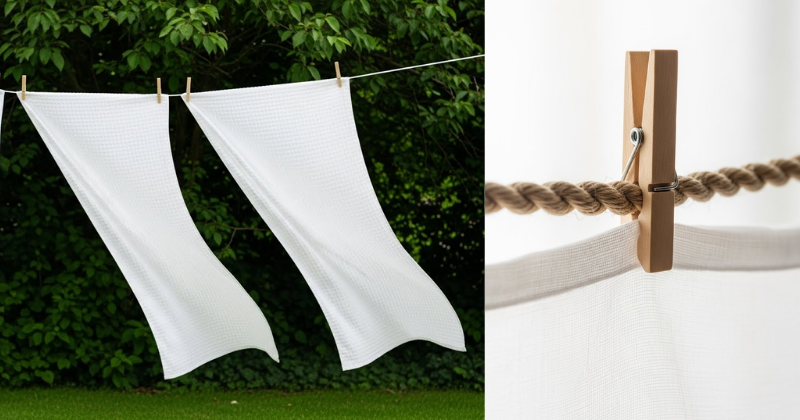
Whiteness is not merely absence of color—it’s a declaration of renewal, a canvas perpetually reborn through water and intention. Yet our beloved whites betray us slowly, surrendering their pristine brilliance to the relentless accumulation of time, minerals, and the subtle oxidations that transform crisp cotton into something apologetic and grey.
I remember discovering my grandmother’s wedding linens in an attic trunk, their once-luminous fabric now bearing that telltale yellowing that speaks of decades passing. In that moment, holding those textiles that had witnessed vows and celebrations, I understood that restoring whiteness is an act of resurrection—bringing back not just brightness, but the stories and intentions woven into every thread. The techniques I’ve gathered since then transform laundry from mundane task into alchemical practice, where simple household elements conspire to reverse what seemed irreversible.
Understanding the Poetry of Discoloration
Before we can restore whiteness, we must understand its enemies—those subtle forces that gradually steal brilliance from our most cherished textiles.
The Anatomy of Greying
Greyness accumulates like dust on a windowpane, each washing depositing microscopic particles that embed themselves in fabric fibers. Hard water minerals—calcium and magnesium—build invisible layers that dull fabric surfaces, while detergent residues that fail to rinse completely create films that trap dirt and shadow the original white. Body oils, imperceptible during wear, oxidize over time into yellowish deposits that resist conventional washing.
This understanding transforms frustration into strategy. We’re not fighting fabric failure but addressing chemical processes that respond beautifully to targeted intervention.
The Mystery of Yellowing
Yellow tones emerge through oxidation—a slow dance between fabric fibers and oxygen molecules that creates chromophores, those light-absorbing compounds that tint whites toward amber and cream. Cellulose fibers in cotton and linen prove particularly susceptible, their molecular structure providing perfect conditions for oxidative yellowing.
Storage accelerates this transformation. Fabrics folded away in darkness undergo changes invisible until you unfold them months later, discovering that time has rewritten their color story without permission.
The Phenomenon of Pink Migration
Pink-tinged whites represent color transfer—that heartbreaking moment when a red sock infiltrates your white load, bleeding its dye molecules into formerly pristine fabrics. These fugitive dyes bond enthusiastically with white fibers, creating pastel disasters that seem permanent until you understand the chemistry of reversal.
The Ancient Wisdom of Natural Whitening Agents
Nature provides powerful whitening allies, each working through elegant chemical mechanisms that honor fabric integrity while restoring brilliance.
The Solar Alchemy of Sunlight
Sunlight performs whitening magic through photochemical reactions, breaking down chromophores and oxidizing stains in ways synthetic bleaches cannot replicate. Hanging whites in direct sun transforms everyday drying into active restoration—UV rays penetrate fibers, dismantling the molecular structures responsible for yellowing and greying.
This method carries ancestral wisdom. Generations before us understood that sun-bleached linens possessed a brightness no indoor washing could achieve. The process demands patience—full restoration may require multiple sun exposures—but the results honor fabric in ways harsh chemicals never will.
Position your clothesline where morning sun reaches first, allowing fabrics maximum exposure during peak UV hours. Wet fabrics respond more dramatically than dry ones, as moisture enhances photochemical activity.
The Miracle of White Vinegar
White vinegar operates as brightening agent through multiple mechanisms simultaneously. Its acetic acid dissolves mineral deposits that grey fabrics, neutralizes alkaline detergent residues, and creates an environment where dirt particles release their grip on fibers. Additionally, vinegar sets dyes in colored fabrics, preventing further color migration onto whites.
Add one cup of distilled white vinegar to your washing machine’s rinse cycle, allowing it to work its restoration magic as water flushes through fabric. The vinegar smell dissipates completely during drying, leaving only freshness and renewed brightness.
For stubborn yellowing, create a pre-soak solution combining equal parts white vinegar and warm water. Submerge affected items overnight, then wash normally. The extended exposure allows vinegar’s acidic properties to penetrate deeply, breaking down years of accumulated oxidation.
Baking Soda: The Gentle Powerhouse
Baking soda—sodium bicarbonate—brightens through mechanical and chemical pathways. Its crystalline structure provides gentle abrasion that lifts surface discoloration, while its alkalinity enhances detergent performance by softening water and neutralizing acidic stains.
Add half a cup of baking soda directly to your wash load alongside regular detergent, creating a synergistic combination that tackles discoloration from multiple angles. The powder distributes throughout the wash water, reaching every fiber with its gentle but persistent cleaning action.
For particularly challenged whites, create a paste of baking soda and water, applying it directly to yellowed areas before washing. This concentrated treatment targets problem zones with focused intensity.
Advanced Restoration Techniques for Persistent Discoloration
When standard washing fails to restore brilliance, these intensive methods address deep-seated discoloration through strategic chemical intervention.
The Oxygen Bleach Renaissance
Oxygen-based bleaches—typically sodium percarbonate—release hydrogen peroxide when dissolved in water, creating a gentle oxidizing environment that breaks down stains and brightens fabrics without the harsh damage of chlorine bleach. This makes oxygen bleach safe for most white fabrics, including delicates that would suffer under chlorine’s assault.
Dissolve oxygen bleach in hot water before adding fabrics, ensuring complete activation of the brightening compounds. For severe yellowing or greying, create an overnight soak using one cup of oxygen bleach per gallon of hot water. The extended contact time allows thorough penetration and maximum brightening effect.
Temperature matters profoundly—oxygen bleach activates best in water above 140°F, where hydrogen peroxide release reaches optimal levels. Cold water washing won’t unlock these compounds’ full potential.
The Aspirin Revelation
Aspirin tablets contain acetylsalicylic acid, which breaks down in water to form salicylic acid—a compound with remarkable stain-removing and brightening properties. This unexpected laundry ally works particularly well on yellowed whites, where its acidic nature dissolves oxidized deposits.
Dissolve five aspirin tablets in hot water, creating a milky solution that you can add directly to your wash cycle or use as a pre-soak treatment. The aspirin’s acidity works in harmony with detergent, enhancing cleaning power while specifically targeting the chemical bonds that yellow creates.
This method gained recognition through generations of resourceful launderers who discovered that medicine cabinet contents could rescue laundry disasters. The technique proves especially effective for cotton and linen whites that have yellowed through storage.
Lemon Juice: Solar Enhancement
Lemon juice combines natural bleaching acids with aromatic freshness, creating a brightening agent that works beautifully in partnership with sunlight. The citric acid dissolves mineral deposits and oxidizes stains, while sun exposure amplifies these effects through photochemical synergy.
Add half a cup of fresh lemon juice to wash water, or for concentrated treatment, apply lemon juice directly to stained or yellowed areas before hanging items in direct sun. The combination of acid and UV light creates powerful brightening that rivals commercial products.
Historical launderers understood this partnership intimately, regularly laying linens on grass in sunshine after lemon juice application, allowing hours of exposure to work restoration magic.
Rescuing Pink-Tinged Whites: Color Transfer Solutions
Color bleeding creates specific challenges requiring targeted intervention that removes fugitive dyes without damaging base fabrics.
Immediate Color Bleeding Response
When color transfer occurs, speed determines success. Avoid heat—never place pink-tinged whites in the dryer, as heat permanently sets dyes into fibers. Instead, immediately rewash affected items in cold water with oxygen bleach or color-removing product specifically formulated for this disaster.
For fresh color transfer, create an emergency soak using oxygen bleach, very hot water, and white vinegar. The combination attacks dye molecules from multiple angles—oxygen bleach oxidizes dyes, hot water encourages their release, and vinegar helps neutralize them.
Commercial Dye Removers: Strategic Use
Commercial color removers contain reducing agents that chemically alter dye molecules, breaking the bonds that attach them to fibers. These products work remarkably well on fresh color transfer, though their effectiveness diminishes with set-in dyes.
Follow package directions meticulously, as these products require specific water temperatures and contact times for optimal results. After treatment, wash items thoroughly to remove all traces of the chemical remover, which can affect subsequent dyeing or staining if left in fabrics.
Prevention Through Sorting Wisdom
The eternal truth of laundry remains: prevention surpasses restoration. Separate whites absolutely, creating a pure load where no color contamination can occur. Wash new colored items separately for their first several cycles, as this is when dye bleeding proves most aggressive.
Consider using color-catching sheets—specially treated fabrics that absorb fugitive dyes during washing, preventing their migration to other items. These sheets work as insurance, capturing color bleeds before they reach your whites.
Creating Sustainable Whitening Rituals
Maintaining brilliant whites requires establishing regular practices that prevent discoloration rather than constantly battling accumulated damage.
The Rotation Philosophy
Avoid wearing the same white items repeatedly between washings, which concentrates oils and oxidation in specific garments. Instead, rotate through multiple pieces, allowing each adequate recovery time between wears. This simple practice dramatically reduces the buildup that causes yellowing.
Similarly, rotate stored whites periodically, preventing the concentrated oxidation that occurs when fabrics remain folded identically for extended periods.
Water Quality Considerations
Hard water sabotages whitening efforts through mineral deposits that grey fabrics and reduce detergent effectiveness. If you live in hard water regions, consider installing a water softener or adding commercial water softening agents to wash loads.
Alternatively, use distilled white vinegar as a natural water softener in every white load, neutralizing minerals before they can deposit on fabrics.
Strategic Storage Practices
Store whites in breathable containers—never plastic bags, which trap moisture and encourage yellowing through oxidation. Cotton or linen storage bags allow air circulation while protecting from dust.
Add lavender sachets or cedar blocks to storage areas, which discourage insects while providing pleasant fragrance. These natural additions won’t stain fabrics like chemical moth deterrents might.
Embracing the Whiteness Journey
Restoring and maintaining brilliant whites is not merely housekeeping but an ongoing conversation with chemistry, time, and care. Each technique represents accumulated wisdom—discoveries made through generations of attentive launderers who refused to accept that discoloration was permanent.
The satisfaction of transforming yellowed, greyed, or pink-tinged fabrics back to pristine whiteness carries its own quiet triumph. You’re not just cleaning clothes; you’re reversing entropy, reclaiming brightness from the forces that would diminish it.
As you implement these methods, observe how different fabrics respond, how water temperature affects results, how sunlight transforms what darkness dulled. This attention elevates laundry from chore to craft, where understanding enables mastery.
Your whites can gleam with the brilliance they possessed when new, perhaps even surpassing that original freshness through the depth of care you’ve invested. Each restored garment becomes testament to the power of patient, informed intervention—proof that with the right knowledge and natural allies, brightness perpetually renews itself, washing after washing, season after season.