Discover how chia seeds deliver exceptional nutrient density, supporting heart health, digestive balance, and sustained energy through scientifically validated bioactive compounds.
Tiny, unassuming, and often overlooked, chia seeds (Salvia hispanica) pack a remarkable nutritional punch. Despite their small size, these seeds are a powerhouse of fiber, omega-3 fatty acids, protein, antioxidants, and essential micronutrients. Modern science confirms that chia seeds influence multiple physiological systems—from cardiovascular regulation to gastrointestinal health—making them more than a simple superfood hype.
This article explores the science behind chia seeds, examining their nutrient density, functional properties, and practical applications. By understanding the mechanisms at play, you can integrate chia seeds into your diet strategically to support long-term wellness.
Section 1: What Makes Chia Seeds Exceptionally Nutrient-Dense?
Chia seeds are unique due to their high concentration of bioactive compounds relative to caloric content.
H3: Macronutrient Profile
- Protein: Approximately 20% by weight, rich in essential amino acids
- Fat: 30–35%, predominantly alpha-linolenic acid (ALA), an omega-3 fatty acid
- Carbohydrate: 40%, mainly soluble and insoluble fiber
H3: Micronutrients
Chia seeds supply calcium, magnesium, phosphorus, and manganese—all critical for bone, nerve, and metabolic health. Additionally, they contain trace amounts of zinc, potassium, and iron.
H3: Polyphenols and Antioxidants
Flavonoids, chlorogenic acid, caffeic acid, myricetin, and quercetin confer oxidative protection and modulate inflammatory pathways.
These factors collectively redefine nutrient density—high micronutrient content per calorie—making chia seeds a compact, functional food.
Section 2: How Do Chia Seeds Support Digestive Health?
The combination of soluble and insoluble fiber in chia seeds exerts multiple effects on gastrointestinal function.
H3: Soluble Fiber and Gel Formation
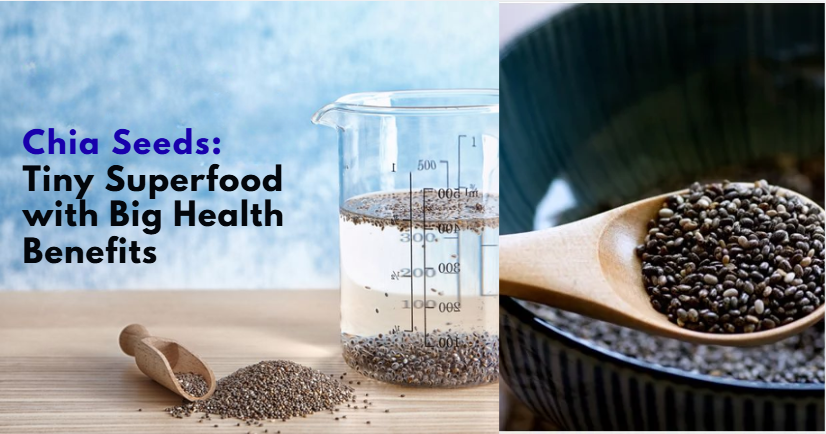
When hydrated, chia seeds form a mucilaginous gel that:
- Slows gastric emptying
- Supports satiety and appetite control
- Stabilizes blood sugar response
H3: Insoluble Fiber for Regularity
The fibrous matrix contributes bulk, promoting smooth transit through the digestive tract and supporting bowel regularity.
H3: Gut Microbiome Interaction
Preliminary research suggests chia fiber may act as a prebiotic, nourishing beneficial gut bacteria and enhancing short-chain fatty acid production, which supports colon health.
Section 3: How Do Omega-3 Fatty Acids in Chia Impact Cardiovascular Function?
Chia seeds are among the richest plant-based sources of ALA, an essential omega-3 fatty acid.
H3: Anti-Inflammatory Effects
ALA helps modulate inflammatory cytokines, reducing vascular inflammation that contributes to atherosclerosis.
H3: Lipid Profile Support
Clinical studies show chia consumption may lower triglycerides and enhance HDL cholesterol, contributing to cardiovascular resilience.
H3: Blood Pressure Modulation
Evidence suggests regular chia intake can modestly reduce systolic and diastolic blood pressure, supporting vascular health over time.
Section 4: How Does Chia Promote Sustained Energy and Metabolic Balance?
Chia seeds provide stable energy through their combination of macronutrients and gel-forming fiber.
H3: Glucose Modulation
The soluble fiber gel slows carbohydrate absorption, reducing postprandial blood sugar spikes.
H3: Protein and Satiety
The high-quality protein content prolongs fullness and supports muscle repair and maintenance, particularly important for physically active individuals.
H3: Fat and Energy Density
Omega-3 fatty acids contribute a slow-release energy source, supporting endurance and metabolic efficiency.
Section 5: What Role Do Antioxidants Play in Health Benefits of Chia?
Chia seeds contain flavonoids and phenolic acids that act as antioxidants, protecting cells from oxidative stress.
H3: Free Radical Scavenging
Caffeic acid, chlorogenic acid, and myricetin neutralize free radicals, reducing oxidative damage to DNA, lipids, and proteins.
H3: Anti-Aging and Cellular Protection
By reducing oxidative stress, chia may indirectly support skin health, cognitive function, and systemic resilience.
H3: Inflammation Modulation
Polyphenols interact with inflammatory signaling pathways, complementing omega-3 anti-inflammatory effects.
Section 6: Which Factors Affect Nutrient Bioavailability in Chia Seeds?
H3: Whole vs. Ground Seeds
Whole chia seeds pass through the digestive tract largely intact, limiting nutrient absorption. Grinding increases bioavailability of omega-3s, protein, and minerals.
H3: Soaking and Gel Formation
Hydrating chia seeds enhances digestibility, allows mucilage formation, and may improve mineral absorption.
H3: Dietary Synergy
Consuming chia with vitamin C-rich foods can enhance iron uptake, while pairing with fats supports omega-3 assimilation.
Section 7: How Can Chia Seeds Be Integrated into Daily Diets?
H3: Practical Usage
- Smoothies: Ground chia seeds provide texture, protein, and omega-3s
- Overnight Oats: Gel formation enhances satiety and nutrient delivery
- Baked Goods: Minimal impact on flavor, retains antioxidants when lightly heated
- Salads & Yogurts: Whole seeds add crunch and micronutrient density
H3: Dosage Considerations
Typical effective doses range from 20–30 grams per day, balancing nutrient intake with fiber tolerance.
H3: Timing and Consistency
Consistent daily use ensures cumulative benefits in cardiovascular, digestive, and metabolic domains.
Section 8: What Are Common Misconceptions and Limitations?
- Misconception: “Chia seeds are a miracle food.”
Reality: Functional benefits are meaningful but incremental within a balanced diet. - Misconception: “More is better.”
Reality: Excessive chia intake can cause gastrointestinal discomfort due to high fiber content. - Limitation: Plant-based omega-3 (ALA) must be converted to EPA and DHA, a process with limited efficiency. Complementary intake of other omega-3 sources may be warranted.
Practical strategies, like gradual introduction and combining with diverse nutrient sources, optimize benefits.
Conclusion: Unlocking the Potential of Chia Seeds
Chia seeds exemplify how small, nutrient-dense foods can have outsized health impacts. Their combination of fiber, omega-3 fatty acids, protein, antioxidants, and minerals supports:
- Digestive health
- Cardiovascular function
- Metabolic balance
- Cellular protection
They are not a replacement for whole dietary patterns, but their strategic use redefines nutrient density, demonstrating how functional nutrition can be integrated into daily life with tangible physiological benefits.