Pancreatic cancer often develops silently, with subtle symptoms that are easy to overlook. Recognizing early warning signs could make a life-changing difference.
You wake up feeling slightly off. Maybe it’s persistent fatigue. Maybe it’s mild stomach discomfort that doesn’t quite go away. Nothing dramatic. Nothing urgent. And that’s exactly why pancreatic cancer can be so dangerous.
Pancreatic cancer is often called a “silent disease” because its early symptoms are vague and easily mistaken for everyday issues like indigestion, stress, or aging. Yet recognizing subtle signs that should not be ignored may help you seek medical evaluation sooner, potentially improving outcomes.
In this guide, you’ll discover what pancreatic cancer is, the early warning signs to watch for, who may be at higher risk, and how you can advocate for your health with confidence and clarity.
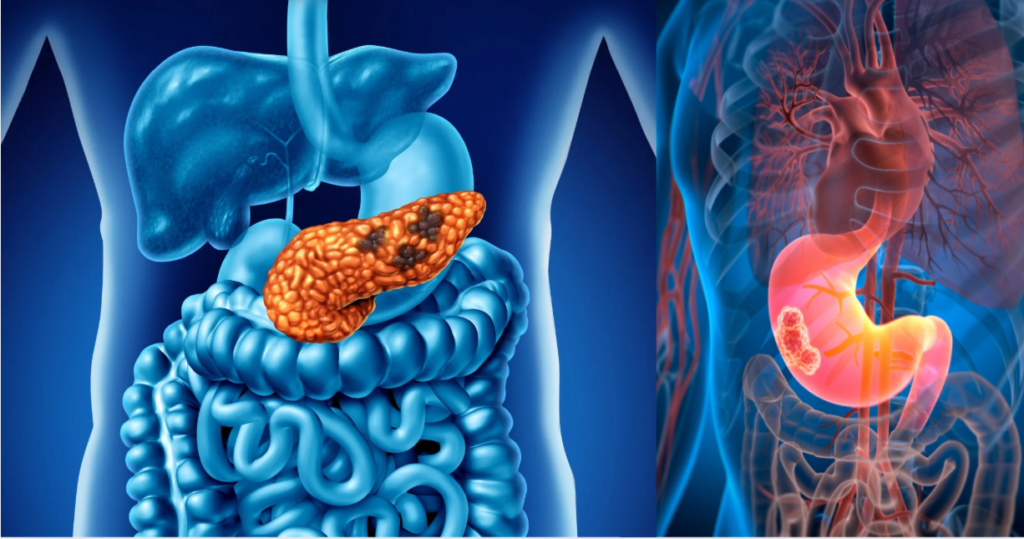
Understanding Pancreatic Cancer: Why Early Detection Is So Challenging
Pancreatic cancer begins in the tissues of the pancreas, an organ located behind the stomach. The pancreas plays a vital role in digestion and blood sugar regulation. Because of its deep location in the abdomen, tumors can grow for months—or even years—without obvious symptoms.
What Does the Pancreas Do?
The pancreas has two main functions:
- Exocrine function: Produces digestive enzymes that help break down food.
- Endocrine function: Releases hormones like insulin and glucagon to regulate blood sugar.
When pancreatic cancer develops, it can interfere with both systems. However, the early disruptions may feel subtle.
Why Symptoms Often Go Unnoticed
Unlike some cancers that produce visible lumps or early pain, pancreatic tumors may not cause noticeable discomfort until they press on nearby organs or bile ducts. By that time, the disease may be more advanced.
This is why understanding subtle signs that should not be ignored is so important.
What Are the Early Warning Signs of Pancreatic Cancer?
One of the most searched questions about pancreatic cancer is: What are the first symptoms?
Featured Snippet Answer
Early warning signs of pancreatic cancer may include unexplained weight loss, persistent upper abdominal or back pain, jaundice (yellowing of skin and eyes), loss of appetite, digestive problems, new-onset diabetes, and unusual fatigue. These symptoms are often mild at first and easy to overlook.
Let’s explore these signs in greater detail.
Unexplained Weight Loss
Losing weight without trying is one of the most common early symptoms. This can happen because:
- The body struggles to digest nutrients.
- Cancer cells alter metabolism.
- Appetite decreases.
If you notice steady weight loss without changes in diet or activity, it deserves medical attention.
Persistent Abdominal or Back Pain
Pancreatic cancer pain often starts as a dull ache in the upper abdomen. It may radiate to the middle or lower back.
This pain might:
- Worsen after eating
- Improve when leaning forward
- Persist for weeks
While back pain is common for many reasons, persistent and unexplained pain should not be ignored.
Jaundice
Jaundice occurs when a tumor blocks the bile duct. It may cause:
- Yellowing of the skin and eyes
- Dark urine
- Pale stools
- Itchy skin
Even mild yellowing is a reason to seek immediate medical evaluation.
How Does Pancreatic Cancer Affect Digestion?
Because the pancreas produces digestive enzymes, pancreatic cancer can interfere with normal digestion.
Indigestion and Bloating
You may experience:
- Persistent bloating
- Gas
- Nausea
- A feeling of fullness after small meals
These symptoms can resemble common digestive issues, which is why they are often dismissed.
Changes in Stool
Fat malabsorption may cause stools to become:
- Pale
- Greasy
- Difficult to flush
This happens when digestive enzymes are not adequately released into the small intestine.
Loss of Appetite
A reduced desire to eat is another subtle but significant sign. Combined with weight loss, this may indicate deeper metabolic changes.
Who Is at Higher Risk for Pancreatic Cancer?
Understanding risk factors can help you assess your personal vulnerability.
Age and Family History
Pancreatic cancer is more common after age 60. A family history of pancreatic cancer or certain genetic syndromes may increase risk.
Smoking
Smoking significantly increases the risk of developing pancreatic cancer. Long-term tobacco exposure is one of the strongest modifiable risk factors.
Chronic Pancreatitis
Chronic inflammation of the pancreas may elevate cancer risk over time.
New-Onset Diabetes After Age 50
One subtle but important warning sign is sudden development of diabetes later in life without clear explanation. Pancreatic tumors can interfere with insulin production, leading to elevated blood sugar levels.
If you or someone you know develops unexplained diabetes along with weight loss, further medical evaluation is important.
How Is Pancreatic Cancer Diagnosed?
If symptoms raise concern, doctors may use several diagnostic tools.
Imaging Tests
Common imaging methods include:
- CT scans
- MRI scans
- Endoscopic ultrasound
These help visualize abnormalities in the pancreas.
Blood Tests
Doctors may check liver function tests and tumor markers such as CA 19-9. While not definitive, these can provide clues.
Biopsy
A biopsy confirms diagnosis by examining pancreatic tissue under a microscope.
Early consultation is key. If something feels persistently wrong, advocating for imaging may help rule out serious conditions.
Common Challenges in Recognizing Subtle Symptoms
Pancreatic cancer symptoms overlap with many benign conditions. That overlap creates confusion and delay.
Mistaking Symptoms for Aging
Fatigue, mild pain, and digestive discomfort are often attributed to aging. However, persistent change from your baseline health is meaningful.
Delaying Medical Visits
Busy schedules and fear can lead to postponing appointments. Yet early evaluation—even if symptoms turn out to be harmless—offers peace of mind.
Minimizing Your Instincts
You know your body better than anyone else. If something feels unusual and does not resolve, it deserves attention.
Trusting your instincts is not overreacting—it is proactive health care.
What Can You Do If You Notice Concerning Symptoms?
You cannot diagnose yourself, but you can take empowered steps.
Step 1: Track Your Symptoms
Write down:
- When symptoms started
- Frequency
- Severity
- Associated changes (weight, appetite, stool)
Patterns help physicians make informed decisions.
Step 2: Schedule a Medical Appointment
Be specific when describing symptoms. Mention:
- Unexplained weight loss
- Persistent abdominal or back pain
- Yellowing of skin or eyes
- New-onset diabetes
Clarity speeds up evaluation.
Step 3: Ask About Further Testing
If symptoms persist despite initial reassurance, ask whether imaging or referral to a specialist is appropriate.
Being informed does not mean being alarmist. It means being engaged.
Maximizing Prevention and Long-Term Health
While not all pancreatic cancer cases are preventable, certain lifestyle strategies may reduce overall risk.
Avoid Tobacco
Quitting smoking significantly lowers risk over time.
Maintain a Healthy Weight
Obesity is associated with increased pancreatic cancer risk. Balanced nutrition and regular physical activity support metabolic health.
Focus on Nutrient-Dense Foods
A diet rich in vegetables, fruits, whole grains, and lean proteins supports overall digestive health.
Manage Blood Sugar
If you have diabetes, maintaining stable blood sugar levels supports pancreatic function.
Related Topics for Further Learning
To deepen your understanding, consider exploring:
- Early warning signs of digestive cancers
- The link between chronic inflammation and cancer
- Understanding tumor markers and screening tools
- Nutrition strategies for cancer prevention
- Managing diabetes and metabolic health
Each of these subjects strengthens your knowledge and empowers preventive action.
Conclusion: Listen to Subtle Signals and Advocate for Your Health
Pancreatic cancer is challenging precisely because its early signs are subtle. Unexplained weight loss, persistent abdominal or back pain, digestive disturbances, jaundice, and new-onset diabetes are signals that should never be ignored.
The goal is not fear—it is awareness. Most common symptoms have harmless explanations. But when changes persist, early evaluation can make a meaningful difference.
You have the ability to observe, document, and act. Trust your instincts. Ask questions. Seek medical guidance when something feels off. Empowered awareness is one of your strongest health tools.
Important Disclaimer: This article is for informational purposes only and should not replace professional advice. For health-related topics, consult healthcare providers. For financial or legal matters, seek qualified professional guidance. For safety procedures, verify current best practices and local regulations. Individual results may vary, and personal circumstances should always be considered when implementing any suggestions.