Probiotics are live microorganisms that support gut balance, immune defense, and metabolic health, offering science-backed benefits beyond digestion alone.
In recent decades, probiotics have transitioned from niche health supplements to mainstream wellness essentials. Yet despite their popularity, many people remain unclear about what probiotics truly are, how they function in the body, and which benefits are supported by credible scientific evidence. From optimizing digestion and strengthening immunity to influencing mood and metabolic balance, probiotics represent a fascinating intersection between microbiology and human health. This article provides a comprehensive, evidence-based exploration of probiotics and their expanding role in modern medicine and nutrition.
Section 1: What Are Probiotics and How Do They Work?
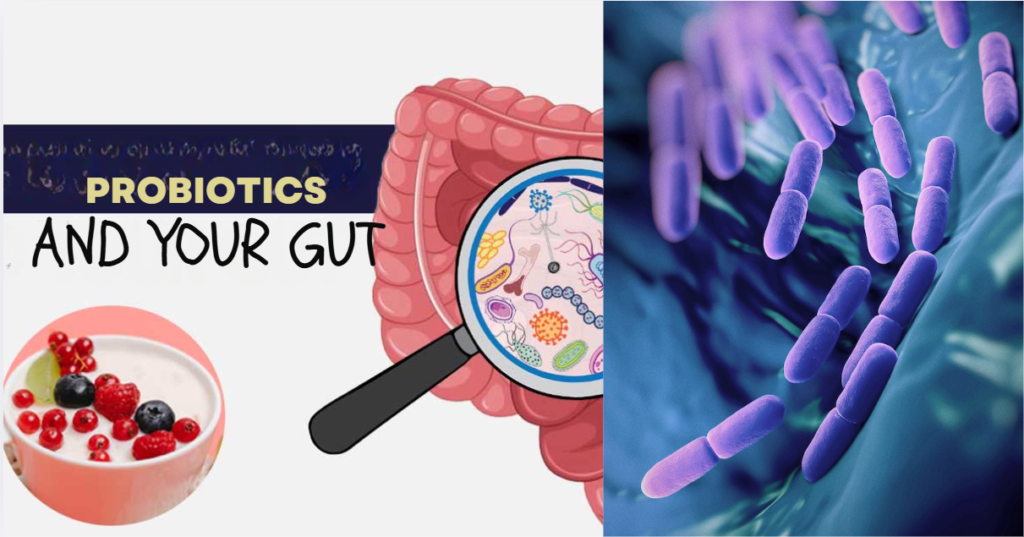
Probiotics are live microorganisms—primarily bacteria and certain yeasts—that confer health benefits when consumed in adequate amounts. They are distinct from harmful bacteria, as they support and restore balance within the body’s microbiome.
H3: The Microbiome Ecosystem
The human gut hosts trillions of microbes collectively known as the gut microbiota. These microorganisms help digest food, synthesize vitamins, regulate immunity, and maintain intestinal integrity.
H3: Mechanisms of Action
Probiotics function through multiple pathways:
- Competing with harmful pathogens for space and nutrients
- Producing antimicrobial substances
- Strengthening the intestinal barrier
- Modulating immune responses
Their effectiveness depends on strain specificity, dosage, and the existing microbial environment.
Section 2: How Do Probiotics Improve Digestive Health?
Digestive support is the most well-documented benefit of probiotics.
- Restoring Microbial Balance: Antibiotics and illness can disrupt gut flora; probiotics help replenish beneficial bacteria.
- Reducing Diarrhea: Certain strains reduce antibiotic-associated and infectious diarrhea.
- Managing Irritable Bowel Syndrome (IBS): Probiotics may alleviate bloating, abdominal pain, and irregular bowel movements.
- Enhancing Nutrient Absorption: Healthy microbiota assist in breaking down complex carbohydrates and synthesizing vitamins like B12 and K.
Scientific trials consistently show that strain-specific probiotics can significantly improve gastrointestinal outcomes.
Section 3: Which Immune Benefits Are Linked to Probiotics?
Approximately 70% of the immune system resides in the gut. This intimate relationship explains why probiotics influence immunity.
- Immune Cell Regulation: Probiotics interact with gut-associated lymphoid tissue (GALT), shaping immune responses.
- Reduced Inflammation: Beneficial strains can lower inflammatory cytokines.
- Enhanced Antibody Production: Some probiotics stimulate IgA production, strengthening mucosal defenses.
- Reduced Respiratory Infections: Clinical studies suggest modest reductions in frequency and severity of common colds.
By modulating immune signaling pathways, probiotics contribute to a balanced and resilient immune system.
Section 4: How Do Probiotics Influence the Gut-Brain Axis?
Emerging research highlights the gut-brain axis—a bidirectional communication network between the digestive tract and the central nervous system.
- Neurotransmitter Production: Gut bacteria help produce serotonin, dopamine, and gamma-aminobutyric acid (GABA).
- Stress Response Regulation: Probiotics may reduce cortisol levels in certain populations.
- Mood and Anxiety Support: Preliminary studies indicate improvements in mild depressive and anxiety symptoms.
Though research is ongoing, the concept of “psychobiotics” underscores the profound influence of gut health on mental well-being.
Section 5: Which Metabolic and Cardiovascular Benefits Exist?
Probiotics may extend their benefits beyond digestion and immunity into metabolic health.
- Blood Sugar Regulation: Certain strains improve insulin sensitivity.
- Cholesterol Reduction: Probiotics can lower LDL cholesterol by influencing bile acid metabolism.
- Weight Management: Some evidence suggests modest effects on body fat distribution and appetite regulation.
While these effects vary depending on strain and individual factors, the data suggest probiotics play a supportive role in metabolic balance.
Section 6: What Are the Best Sources of Probiotics?
Probiotics are available through both dietary sources and supplements.
H3: Fermented Foods
- Yogurt with live cultures
- Kefir
- Sauerkraut
- Kimchi
- Miso
- Tempeh
H3: Supplements
Probiotic supplements provide targeted strains in measured doses. When selecting supplements:
- Look for strain-specific labeling
- Check colony-forming units (CFUs)
- Ensure proper storage requirements
Food-based probiotics offer additional nutrients and fiber, while supplements allow precise dosing.
Section 7: Which Factors Affect Probiotic Effectiveness?
Not all probiotics deliver identical results. Their effectiveness depends on:
- Strain Specificity: Different strains perform different functions.
- Dosage: Adequate CFU counts are necessary for measurable benefits.
- Gut Environment: Pre-existing microbiome composition influences colonization success.
- Dietary Support: Prebiotics—fibers that feed beneficial bacteria—enhance probiotic survival and activity.
Personalization is increasingly recognized as essential for maximizing probiotic efficacy.
Section 8: Are Probiotics Safe and Who Should Be Cautious?
For most healthy individuals, probiotics are considered safe and well tolerated. Mild side effects such as bloating may occur during initial use.
However, certain populations should consult healthcare providers before supplementation:
- Individuals with compromised immune systems
- Patients with severe illnesses
- Those with central venous catheters
Clinical guidance ensures safe integration into a broader health plan.
Conclusion: Probiotics as a Foundation of Holistic Health
Probiotics represent a powerful and scientifically supported tool for enhancing digestion, strengthening immunity, and potentially influencing mental and metabolic health. Their benefits extend far beyond the gut, reflecting the interconnected nature of the human microbiome and systemic well-being. By selecting appropriate strains, maintaining a fiber-rich diet, and seeking professional advice when necessary, individuals can harness probiotics as a foundational component of long-term health strategies.
Important Disclaimer
This article is for informational purposes only and does not replace medical advice. Consult a qualified healthcare professional before beginning probiotic supplementation, particularly if you have underlying health conditions or are taking medication. Individual results may vary.