
The first time rosewater touched my home, it arrived in a delicate glass bottle from a Middle Eastern market, its label inscribed with elegant script I couldn’t read. I had purchased it for a facial ritual, but when a few drops escaped onto my kitchen counter, something extraordinary happened. The scent didn’t simply perfume the air—it transformed it, turning the mundane space into something that breathed with ancient memory and botanical poetry. That accidental spillage revealed what cultures across millennia have understood: rosewater possesses an alchemical power to reshape not just surfaces, but the very atmosphere we inhabit.
This distilled essence of rose petals carries within it the soul of gardens past, a liquid translation of summer mornings when dew clings to velvet petals. Unlike synthetic air fresheners that assault the senses with chemical approximations of floral notes, rosewater whispers its presence, layering your home with a fragrance that feels less applied and more discovered, as though your rooms themselves have bloomed.
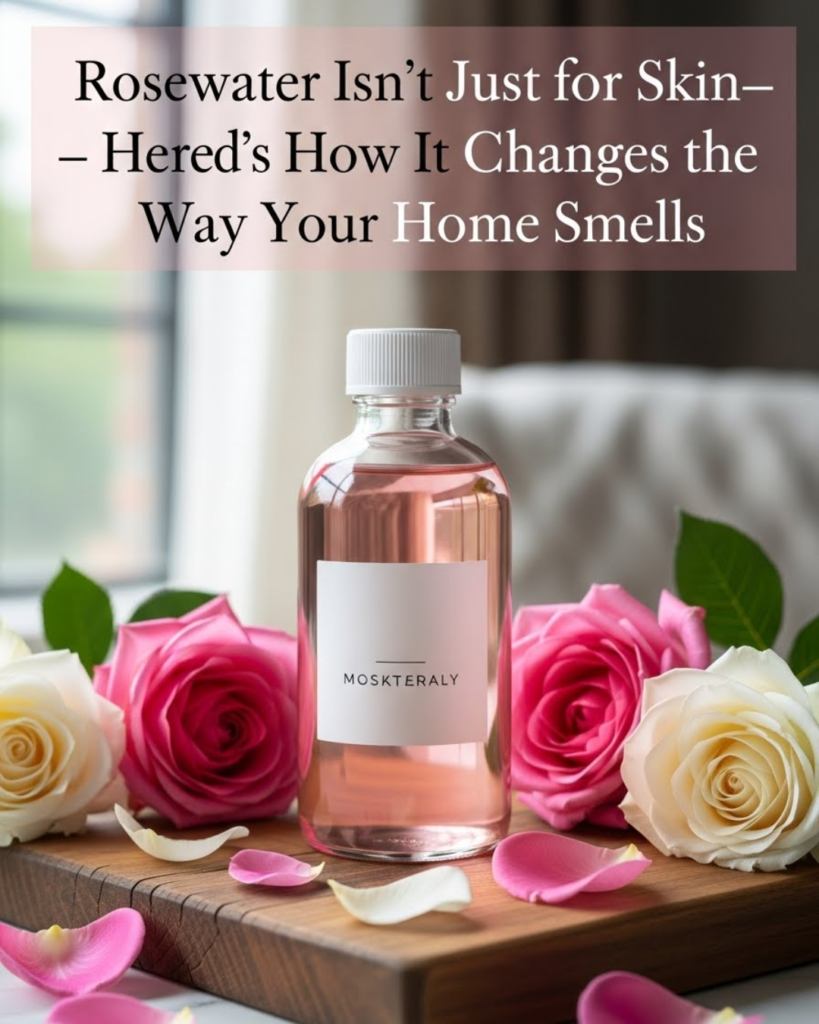
The Botanical Alchemy: Understanding Rosewater’s Aromatic Architecture
Rosewater emerges from a process so poetic it borders on ceremony—steam distillation extracts the volatile oils from rose petals, capturing their essence in water that becomes perfumed messenger between garden and home.
The Chemistry of Enchantment
The primary aromatic compound in rosewater, phenylethyl alcohol, possesses a molecular structure that our olfactory system recognizes as intrinsically pleasant. This isn’t marketing hyperbole but neurological reality—studies demonstrate that rose scent activates regions of the brain associated with emotional memory and well-being. When you introduce rosewater into your living spaces, you’re not merely masking odors but engaging with an aromatic experience that resonates at a psychological level.
Beyond Commercial Fragrances
Synthetic room sprays contain phthalates and volatile organic compounds that linger in fabrics and air, creating fragrance fatigue and potential respiratory irritation. Rosewater, conversely, offers a clean aromatic profile derived entirely from botanical sources. The scent dissipates gently rather than cloying, creating waves of fragrance that ebb and flow throughout your day. This natural rhythm prevents olfactory adaptation—that numbing effect where you cease noticing artificial fragrances after prolonged exposure.
Quality Matters: Choosing Your Essence
Not all rosewater possesses equal transformative power. Seek bottles labeled as pure distillate, free from additives or dilutions. Traditional production methods using Rosa damascena yield the most complex aromatic profiles. The liquid should appear crystal clear with a scent that unfolds in layers—initial floral brightness giving way to deeper, almost honeyed undertones. Inferior products smell flat and one-dimensional, lacking the sophisticated complexity that makes rosewater extraordinary.
Sacred Applications: Where Rosewater Transforms Living Spaces
Each room in your home presents unique opportunities for rosewater’s aromatic intervention, creating sanctuaries of scent that shift throughout the day.
The Bedroom: Cultivating Nocturnal Serenity
Mist your pillows and linens thirty minutes before sleep, allowing the fragrance to settle into fabric fibers. The scent creates an olfactory ritual that signals rest to your nervous system. I’ve discovered that this evening practice transforms bedtime from routine into ceremony, a fragrant threshold between waking consciousness and dream.
For a more sustained effect, add several tablespoons of rosewater to a small bowl placed on your nightstand. The gentle evaporation releases fragrance gradually throughout the night, creating an atmosphere that encourages deeper, more restorative sleep. Some traditions suggest that dreaming amid rose scent invites more vivid, emotionally resonant dreams—while I cannot verify this scientifically, I can attest to waking with a sense of having visited gardens in my sleep.
The Bathroom: Creating a Private Hammam
Transform your daily ablutions into spa rituals by incorporating rosewater into multiple touchpoints. Add a quarter cup to your bathwater for an aromatic immersion that perfumes both water and steam. The humid bathroom air becomes a vehicle for scent, carrying rose essence throughout the space in clouds of fragrant vapor.
Decant rosewater into a beautiful spray bottle and keep it beside your sink. A few spritzes after showering or washing your face turns routine hygiene into sensory indulgence. The mist settles on mirrors and tiles, creating subtle scent layers that greet you throughout the day. This practice costs pennies but delivers the atmospheric luxury of high-end hotels.
Living Spaces: The Art of Ambient Scenting
Your main living areas benefit from strategic rosewater placement that creates fragrance without overwhelming. Add rosewater to a diffuser designed for water-based essences, or create your own room spray by combining equal parts rosewater and distilled water in a spray bottle with a fine mist setting.
The secret lies in application subtlety—three to four spritzes dispersed through a room creates atmospheric presence rather than obvious perfuming. Target fabric surfaces like curtains, upholstery, and throw pillows, which hold scent longer than hard surfaces. The fragrance activates when people move through the space, releasing gentle aromatic waves with each disturbance of fabric.
Kitchen Transformations: Culinary Aromatics
The kitchen, often dominated by cooking odors, becomes unexpectedly hospitable to rosewater. After preparing particularly aromatic meals, spray rosewater around the space to neutralize lingering food scents without masking them with chemical fragrances. The floral notes interweave with residual cooking aromas, creating surprisingly harmonious scent combinations.
Place a small bowl of rosewater near your kitchen window where sunlight can gently warm it, encouraging natural evaporation. This passive diffusion method requires no electricity or effort, yet maintains a constant background of delicate fragrance. Replace the water every few days to maintain freshness and prevent bacterial growth.
Advanced Techniques: Crafting Your Signature Scent Rituals
Once you’ve mastered basic applications, rosewater invites experimentation and creative elaboration, allowing you to develop personalized aromatic practices.
Seasonal Adaptations
In summer’s heat, keep rosewater refrigerated and use chilled spritzes for cooling aromatherapy that refreshes both scent and body temperature. The cold mist feels luxurious against warm skin while delivering fragrance. During winter, gently warm rosewater before adding it to diffusers or humidifiers—the heated vapor carries scent more efficiently through dry, heated indoor air.
Layered Fragrance Compositions
Rosewater plays beautifully with other natural essences. A drop of vanilla extract transforms the scent profile toward sweetness. A tablespoon of orange blossom water creates a more complex floral bouquet. Experiment with combinations that resonate with your personal aesthetic, creating custom formulations that feel uniquely yours.
Textile Infusion Methods
For longer-lasting scent presence, create a rosewater linen spray by combining one cup rosewater, one cup distilled water, and a tablespoon of witch hazel in a spray bottle. The witch hazel acts as a preservative and helps the mixture adhere to fabrics. This formulation works beautifully for refreshing clothing, bedding, towels, and upholstered furniture between washings.
Troubleshooting: Navigating Common Challenges
Even this gentle practice encounters occasional obstacles that simple adjustments can resolve.
When Scent Dissipates Too Quickly
If you find rosewater fragrance fading within minutes, you’re likely applying too sparingly or to surfaces that don’t retain scent well. Fabric absorbs and holds aromatic compounds far more effectively than hard surfaces like wood or tile. Increase your application to fabrics and reduce spraying on non-porous materials.
Managing Intensity for Sensitive Noses
Some individuals find pure rosewater too potent, especially in small spaces. Dilute it with equal parts distilled water to create a gentler formulation. You can always increase concentration later, but starting subtly prevents overwhelming your olfactory system.
Addressing Quality Concerns
If your rosewater develops an off smell or cloudy appearance, it has likely expired or been contaminated. Store opened bottles in the refrigerator and use within six months for optimal freshness. The cold temperature preserves the delicate aromatic compounds and prevents bacterial growth.
Seasonal Scent Fatigue
Using the same fragrance constantly can lead to olfactory adaptation where you cease noticing it. Rotate rosewater with other natural aromatics like lavender water or orange blossom water, returning to rose after a two-week break. This cycling keeps your nose receptive and prevents scent blindness.
Maximizing Your Aromatic Investment: Sustainability and Ritual
The true power of rosewater emerges not from occasional use but from integration into daily rhythms, creating fragrant punctuation marks throughout your routines.
Morning Rituals
Begin each day by misting your face and hair with diluted rosewater, then spray your bedroom as you make your bed. This morning sequence creates an aromatic foundation for the day ahead, a sensory reminder of beauty and intention. The act itself becomes meditative, a moment of presence before the day’s demands assert themselves.
Evening Wind-Down
As evening approaches, repeat your aromatic ritual in reverse—spray living spaces before transitioning to bedroom preparations. This consistency trains your nervous system to associate rose scent with specific states of being, effectively using aroma as a tool for emotional regulation and transition management.
Welcoming Spaces for Guests
When expecting visitors, prepare your home by lightly misting entryways, guest bathrooms, and common areas thirty minutes before arrival. The fragrance settles into a subtle welcome that feels hospitable without being obvious. Guests often comment on a home smelling pleasant without being able to identify the source—this mysterious quality is rosewater’s signature gift.
Connecting with Botanical Origins
For deeper engagement with this practice, consider growing your own roses for petal harvesting. While creating true distilled rosewater requires specialized equipment, you can make simple rose-infused water by steeping fresh petals in hot distilled water. This hands-on approach deepens your relationship with the plant itself, transforming rosewater from product to process, from purchase to practice.
The transformation rosewater offers extends beyond pleasant fragrance into something more profound—a reclamation of domestic space as sanctuary, a rejection of synthetic atmospheres in favor of botanical authenticity. Each application becomes a small act of beauty-making, a choice to surround yourself with essences that carry the memory of living gardens rather than laboratory formulations. In reaching for that slender bottle, you’re not simply freshening your home but participating in an ancient tradition of bringing floral grace into human dwelling spaces, one delicate mist at a time.