High cholesterol is often called a “silent killer” because it can quietly damage your body without showing obvious signs. Many people live for years with elevated cholesterol levels, unaware that they are increasing their risk of heart disease, stroke, and other serious health complications. Understanding the symptoms linked to high cholesterol is crucial for early detection and prevention.
By paying attention to subtle cues in your body, you can take proactive steps to manage cholesterol and protect your cardiovascular health. In this article, we’ll explore the most common symptoms, complications, and lifestyle strategies to keep your cholesterol levels in check. You’ll learn how to recognize warning signs, when to seek medical guidance, and how small daily adjustments can have a major impact on your long-term well-being.
Understanding Cholesterol: The Basics
Before diving into symptoms, it’s important to understand what cholesterol is and why it matters.
What is Cholesterol?
Cholesterol is a waxy substance found in your blood. Your body needs it for:
- Building cells and hormones
- Producing vitamin D
- Supporting digestion via bile production
However, not all cholesterol is created equal.
Types of Cholesterol
- LDL (Low-Density Lipoprotein): Often called “bad cholesterol,” it can build up in your arteries.
- HDL (High-Density Lipoprotein): Known as “good cholesterol,” it helps remove LDL from your bloodstream.
- Triglycerides: A type of fat that can contribute to arterial plaque if levels are high.
Balancing these types is key to maintaining cardiovascular health.
Common Symptoms Linked to High Cholesterol
High cholesterol doesn’t always produce noticeable signs, but some symptoms may indicate underlying problems.
Chest Pain and Angina
If plaque builds up in your arteries, your heart may struggle to get enough oxygen-rich blood, causing chest pain or discomfort, known as angina. This is often an early warning of coronary artery disease.
Shortness of Breath
High cholesterol can lead to plaque deposits in arteries, restricting blood flow. This may result in fatigue or shortness of breath, even during routine activities.
Numbness or Cold Extremities
Restricted circulation can cause numbness, tingling, or cold hands and feet. Persistent cold extremities may signal peripheral artery disease, often linked to high LDL levels.
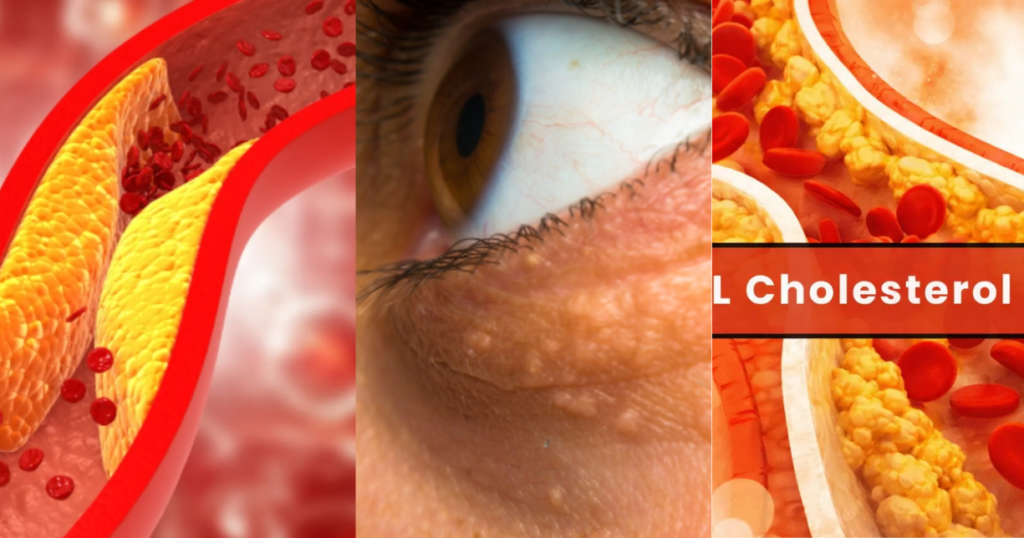
Yellowish Skin Patches (Xanthomas)
Some people develop yellowish fatty deposits on the skin or around the eyes. These patches, called xanthomas, are a direct sign of high cholesterol and fat accumulation.
Vision Problems
Excess cholesterol may lead to atherosclerosis, affecting blood vessels in the eyes. This can cause blurred vision or eye floaters, signaling the need for a cholesterol check.
Potential Complications of High Cholesterol
Ignoring high cholesterol can result in severe long-term health issues.
Heart Disease
Elevated LDL can cause plaque buildup in coronary arteries, leading to:
- Heart attacks
- Chest pain
- Heart failure in advanced cases
Stroke
Cholesterol deposits can restrict blood flow to the brain, increasing the risk of ischemic strokes, a life-threatening complication.
Peripheral Artery Disease (PAD)
PAD occurs when arteries in the legs are narrowed, causing pain, weakness, and mobility issues.
Liver and Gallbladder Issues
Excess cholesterol can also contribute to gallstones and liver complications, highlighting the systemic impact of unhealthy lipid levels.
Diagnosing High Cholesterol
Since high cholesterol often lacks obvious symptoms, regular blood tests are essential.
Lipid Panel Test
A lipid panel measures:
- LDL and HDL cholesterol
- Total cholesterol
- Triglycerides
Adults should have their cholesterol checked every 4–6 years, or more frequently if risk factors exist.
Understanding Your Numbers
- Total cholesterol: Less than 200 mg/dL is desirable
- LDL: Below 100 mg/dL for most adults
- HDL: 60 mg/dL or higher is protective
- Triglycerides: Less than 150 mg/dL is ideal
Regular testing helps identify silent threats early, empowering you to take corrective action.
Lifestyle Changes to Manage Cholesterol
Even if symptoms are absent, proactive lifestyle changes can significantly improve lipid levels.
Healthy Eating Habits
- Focus on fiber-rich foods, like fruits, vegetables, and whole grains
- Reduce saturated and trans fats
- Incorporate healthy fats, such as olive oil, nuts, and fatty fish
Regular Physical Activity
- Aim for 150 minutes of moderate exercise per week
- Activities like brisk walking, cycling, or swimming support heart health
Weight Management
Maintaining a healthy weight can lower LDL and triglycerides while boosting HDL.
Avoid Smoking and Limit Alcohol
Both smoking and excessive alcohol intake negatively affect cholesterol levels and cardiovascular health.
Advanced Strategies and Medical Options
For individuals with persistently high cholesterol, medical interventions may be necessary.
Statin Medications
Statins are commonly prescribed to lower LDL levels and reduce heart attack risk.
Other Lipid-Lowering Therapies
- PCSK9 inhibitors
- Fibrates for triglycerides
- Niacin supplements (under medical supervision)
Regular consultation with a healthcare provider ensures safe and effective management.
Troubleshooting Common Challenges
Difficulty Sticking to Diet
- Prepare meal plans and healthy snacks
- Track progress using a food journal
Lack of Motivation for Exercise
- Find a workout buddy or group
- Incorporate activity into daily routines, like walking during breaks
Monitoring Progress
- Retest cholesterol every 3–6 months if lifestyle changes are implemented
- Adjust strategies based on results
Consistency and small incremental improvements often yield the best outcomes.
Maximizing Long-Term Heart Health
High cholesterol is manageable, but sustained efforts are key.
- Combine diet, exercise, and medication if needed
- Monitor blood pressure and blood sugar alongside cholesterol
- Maintain regular check-ups to catch early warning signs
Empowering yourself with knowledge and habits ensures that silent risks are detected and addressed promptly.
Quick Answer: Recognizing High Cholesterol
High cholesterol is often symptomless, but chest pain, shortness of breath, numb extremities, yellowish skin patches, and vision changes may indicate elevated lipid levels. Regular blood testing is essential for early detection and prevention of serious complications.
Conclusion: Take Charge of Your Cholesterol Today
High cholesterol doesn’t have to be a silent threat. By recognizing subtle symptoms, maintaining regular testing, and adopting heart-healthy lifestyle habits, you can protect your cardiovascular system and overall well-being. Small daily actions—balanced nutrition, physical activity, and medical guidance when necessary—can transform your long-term health. Start today to take control, reduce risks, and enjoy a healthier, more energetic life.
Important Disclaimer: This article is for informational purposes only and should not replace professional advice. For health-related topics, consult healthcare providers. Individual results may vary, and personal circumstances should always be considered when implementing any suggestions.