Maintaining strong bones is essential for an active, independent, and fulfilling life. From daily tasks like opening jars to lifting groceries, your hands—and the bones supporting them—play a pivotal role. But as we age or face lifestyle challenges, bone health can decline, increasing the risk of fractures, arthritis, and other complications. In this guide, we’ll explore evidence-based strategies to strengthen your bones, improve hand function, and support overall skeletal resilience. By following practical steps, you can unlock greater mobility, confidence, and long-term health.
Meta description: Discover actionable strategies for optimal bone health, strengthen your hands, and support lifelong skeletal wellness through nutrition, exercise, and lifestyle choices.
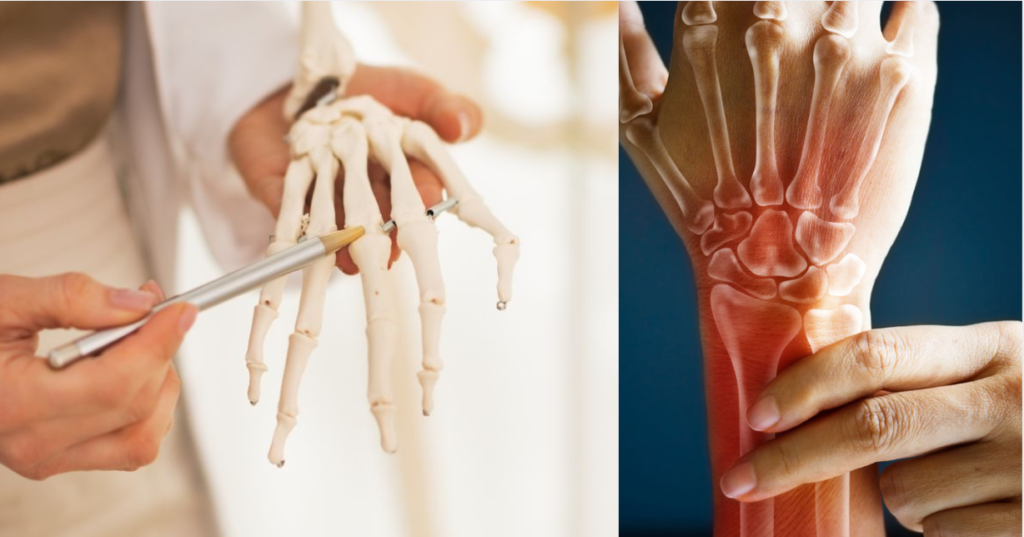
Understanding Bone Health: The Foundation
Bone health is more than just avoiding fractures; it encompasses density, strength, and the ability to recover from stress. Understanding how bones function and age is the first step toward proactive care.
Bone Structure and Function
Bones are dynamic organs made up of a dense outer layer (cortical bone) and a spongy inner layer (trabecular bone). They provide:
- Support and stability for movement
- Protection for vital organs
- Mineral storage, including calcium and phosphorus
Factors Affecting Bone Strength
Several factors influence bone health:
- Age: Bone density peaks in your 20s and gradually declines afterward
- Hormones: Estrogen, testosterone, and parathyroid hormones play key roles
- Nutrition: Adequate calcium, vitamin D, and protein are critical
- Lifestyle: Sedentary behavior, smoking, and excessive alcohol can weaken bones
Understanding these elements helps you make targeted choices to maintain robust skeletal health.
Core Strategies for Strengthening Your Bones
Optimizing bone health involves a combination of nutrition, exercise, and daily habits. By integrating these strategies, you can build resilience and prevent future complications.
Nutrition: Fuel for Strong Bones
- Calcium-rich foods: Dairy products, leafy greens, almonds, and fortified alternatives
- Vitamin D: Essential for calcium absorption; sources include sunlight, fatty fish, and supplements if needed
- Protein: Supports bone matrix formation and repair
- Magnesium and potassium: Found in nuts, seeds, and bananas, these minerals help maintain bone density
Exercise: Build Bone Strength and Hand Function
Engaging in weight-bearing and resistance exercises stimulates bone growth and maintains joint mobility.
- Weight-bearing activities: Walking, dancing, hiking
- Resistance training: Using weights, resistance bands, or bodyweight exercises
- Hand-specific exercises: Grip strengthening, finger stretches, and stress ball workouts enhance hand bone resilience
Lifestyle Choices: Daily Habits for Healthy Bones
Simple lifestyle adjustments can have a profound impact:
- Avoid smoking and excessive alcohol: Both accelerate bone loss
- Maintain a healthy weight: Underweight and obesity can increase fracture risk
- Fall prevention: Ensure safe home environments and practice balance exercises
Advanced Strategies for Long-Term Bone Health
Once you’ve established foundational habits, advanced strategies can further optimize skeletal strength and hand function.
Mindful Movement Practices
Incorporating flexibility and balance routines supports joint health and reduces injury risk:
- Yoga and Tai Chi: Enhance balance, coordination, and hand mobility
- Stretching routines: Maintain range of motion and prevent stiffness
Supplements and Medical Interventions
For individuals at risk or with existing deficiencies, certain supplements and medical strategies may help:
- Calcium and vitamin D supplements: Consult your healthcare provider for proper dosing
- Bone density monitoring: DXA scans help track skeletal health over time
- Medications: In specific cases, bisphosphonates or other therapies may be recommended
Customizing Your Plan
Each person’s bone health journey is unique. Track progress, adjust exercises, and adapt your nutrition based on age, activity level, and medical history. Small, consistent adjustments yield long-term benefits.
Troubleshooting Common Challenges
Even with the best intentions, obstacles can arise. Understanding and addressing them ensures continued progress.
Weak Grip or Hand Pain
- Solution: Incorporate hand-specific strength exercises and warm-up routines before heavy lifting
- Tip: Use ergonomic tools and avoid repetitive strain
Difficulty Maintaining Consistency
- Solution: Schedule workouts and nutrition plans like appointments
- Tip: Track progress and celebrate milestones for motivation
Nutritional Gaps
- Solution: Focus on food variety and consider professional guidance
- Tip: Keep a food diary to identify deficiencies in calcium, vitamin D, or protein
Maximizing Results: Long-Term Maintenance and Growth
Sustaining bone health requires ongoing commitment. Beyond daily routines, consider complementary strategies to enhance long-term results.
Lifestyle Integration
- Active hobbies: Gardening, swimming, and dancing provide enjoyable exercise
- Social engagement: Group activities increase adherence and mental well-being
Periodic Assessment
- Regular check-ups: Monitor bone density and hand function
- Adjustments: Update exercise plans based on progress, age, or medical advice
Supporting Overall Skeletal Health
- Sleep and stress management: Adequate sleep and reduced stress optimize bone remodeling
- Hydration: Water supports nutrient transport and joint lubrication
By embracing these strategies, you create a holistic approach that strengthens your hands, enhances overall bone health, and supports a vibrant, independent lifestyle.
Conclusion: Empower Your Bones, Empower Your Life
Strong bones are the foundation of mobility, independence, and quality of life. By integrating proper nutrition, targeted exercises, lifestyle adjustments, and preventive monitoring, you can maintain resilient skeletal health and functional hands for years to come. Start small, stay consistent, and take proactive steps today—your future self will thank you. Remember, strong hands truly lead to a strong life.
Important Disclaimer: This article is for informational purposes only and should not replace professional medical advice. Consult healthcare providers for guidance on bone health, exercise, nutrition, or supplementation.