
Discover how using tea for inflammation can naturally soothe joint pain, reduce swelling, and boost your immune health with powerful, antioxidant-rich herbal brews.
Important Disclaimer: This article is for informational purposes only and should not replace professional advice. For health-related topics, consult healthcare providers. For financial or legal matters, seek qualified professional guidance. For safety procedures, verify current best practices and local regulations. Individual results may vary, and personal circumstances should always be considered when implementing any suggestions.
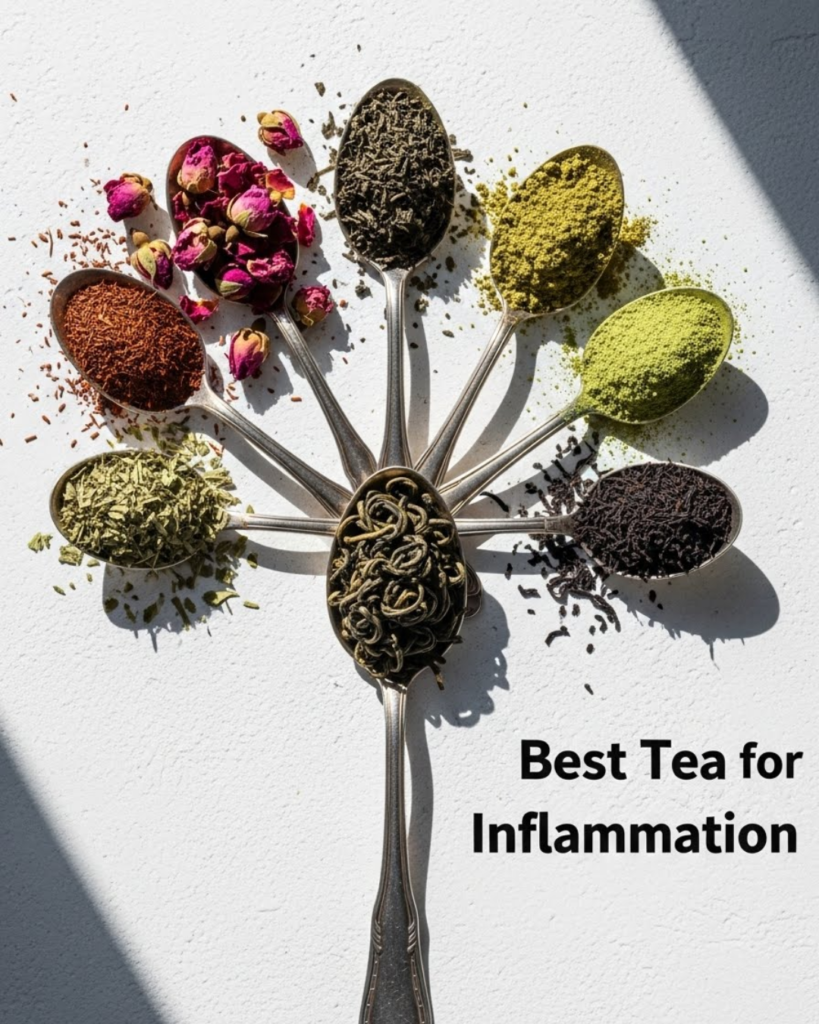
Do you ever wake up feeling stiff, achy, or just generally “puffy”? Whether it is a lingering soreness in your joints or a digestive system that feels constantly irritated, inflammation is often the silent culprit behind daily discomfort. While inflammation is a natural response by your immune system to protect the body, chronic inflammation can lead to long-term health challenges. The good news is that relief might be as simple as boiling a kettle. Using tea for inflammation is a time-tested, delicious way to flood your body with healing compounds that calm redness and ease internal stress.
In this guide, you will learn how to identify the best botanical blends to fight oxidative stress and improve your overall well-being. We will explore the science behind nature’s most potent anti-inflammatory herbs and show you how to incorporate them into a sustainable lifestyle. This isn’t about quick fixes; it’s about discovering a soothing ritual that empowers you to take control of your health. Get ready to transform your daily tea break into a powerful session of self-care and rejuvenation!
Foundation: Understanding Tea and Your Immune Response
To build confidence in herbal remedies, it helps to understand why certain plants are so effective at calming the body. When we talk about tea for inflammation, we are usually referring to a group of compounds called polyphenols and antioxidants.
How Tea Fights Inflammation
Chronic inflammation occurs when your body’s “alarm system” stays turned on for too long. This can damage healthy tissues over time. Antioxidants found in tea leaves and herbs act like a cleanup crew. They neutralize free radicals—unstable molecules that trigger inflammatory pathways. By sipping the right brew, you are essentially providing your body with the tools it needs to turn off the alarm and begin the healing process.
Common Concerns for Beginners
You might wonder if tea is strong enough to make a real difference compared to over-the-counter options. Reassurance comes from the fact that many modern medicines are actually derived from the very plant compounds found in these teas. While tea works more gradually, it is often gentler on the stomach and provides a holistic benefit to your entire system. It’s an achievable, low-cost habit that anyone can start today.
Key Varieties to Know
- True Teas: Green, black, and white teas (all from the Camellia sinensis plant) are packed with EGCG, a powerful anti-inflammatory catechin.
- Herbal Tisanes: Roots like ginger and turmeric, or flowers like chamomile, offer specific medicinal properties without the caffeine.
- Adaptogens: Herbs like Holy Basil (Tulsi) help the body manage the hormonal triggers of inflammation, such as cortisol.
Step-by-Step: Preparing the Ultimate Anti-Inflammatory Brew
Ready to start your journey? Creating a therapeutic cup of tea requires a bit more care than just dunking a bag in hot water. Follow these steps to maximize the healing potential of your tea for inflammation.
1. Source High-Quality Ingredients
Whenever possible, opt for organic loose-leaf tea. This ensures you aren’t consuming pesticides that could actually increase inflammation. If using fresh roots like ginger or turmeric, look for firm, plump pieces at your local market.
2. Master the Water Temperature
- Green and White Teas: Never use boiling water, as it “burns” the delicate antioxidants. Aim for about 175°F (80°C).
- Herbal Roots (Ginger/Turmeric): These require boiling water to break down the tough fibers and release the active compounds.
3. The “Low and Slow” Steep
For a standard cup of tea, 3 minutes is fine. However, when using tea for medicinal purposes, a longer steep (5–10 minutes) allows more polyphenols to enter the water.
Actionable Tip: Always cover your mug while steeping. This prevents the volatile oils—the very things that provide the anti-inflammatory benefits—from escaping with the steam.
4. The Bioavailability Boost
If you are brewing turmeric tea, always add a tiny pinch of black pepper and a healthy fat (like a teaspoon of coconut oil). The piperine in pepper increases the absorption of curcumin—the active ingredient in turmeric—by up to 2,000%!
Advanced Strategies: Pro Tips for Targeted Relief
Once you’ve mastered the basics, you can start customizing your blends to address specific areas of concern. Expert-level tea blending is all about synergy.
The Joint Health Power-Blend
If you are dealing with arthritis or joint stiffness, combine ginger and green tea. Research shows that these two work together to inhibit the enzymes that break down cartilage. This combination is much more effective than drinking either one alone.
Digestive Calm and Bloat Reduction
For inflammation in the gut, try a blend of peppermint and fennel. While peppermint relaxes the muscles of the GI tract, fennel helps reduce the gas and swelling that often accompany inflammatory digestive issues. This is a great [sustainable lifestyle change] for those who suffer from regular discomfort after meals.
Nighttime Recovery
To reduce systemic inflammation while you sleep, reach for Rooibos or Chamomile. These are caffeine-free and contain quercetin and apigenin, which help the body repair cellular damage overnight. You can even pair your evening tea with a [clove-infused foot soak] to further relax the body and improve circulation.
Troubleshooting: Common Challenges and Solutions
Switching to a wellness-focused tea routine can sometimes come with questions. Here is how to handle frequent obstacles with encouragement.
“The tea tastes too bitter or strong.”
This usually happens with green tea or high-tannin black teas.
- The Solution: Reduce your steeping time or lower the water temperature. You can also add a slice of lemon. The Vitamin C in lemon not only improves the flavor but actually helps your body absorb more of the tea’s antioxidants!
“I’m not seeing results immediately.”
- Reassurance: Wellness is a marathon, not a sprint. While a cup of ginger tea might soothe a stomach ache quickly, reducing chronic joint inflammation takes consistent daily consumption over 2–4 weeks. Stick with your ritual; your body is listening!
“Caffeine makes me jittery.”
- Alternative Approach: Many of the best anti-inflammatory options are naturally caffeine-free. Stick to turmeric, ginger, rooibos, or rosehip. If you love green tea but hate the jitters, try “Hojicha”—a roasted green tea that is much lower in caffeine but still high in minerals.
Maximizing Results: A Holistic Approach
To build upon the success of your tea for inflammation, consider how your tea ritual fits into your broader day.
Complementary Habits
A cup of tea works best when paired with an anti-inflammatory diet. Think of your tea as a “liquid supplement” to a plate full of leafy greens and healthy fats. You might also find that as your internal inflammation goes down, you have more energy for light movement or gardening. If you are a gardener, consider growing your own [lavender and mint] to ensure the freshest possible ingredients for your brews.
Next-Level Self-Care
As you reduce internal inflammation, you can also support your external well-being. Using the leftover cooled tea bags as a compress is a great [homemade under-eye treatment] for puffiness. You can even use strong-brewed green tea as a base for a [DIY homemade bleach alternative] to clean your [non-toxic kitchen] surfaces safely!
Featured Snippet: Which tea is best for inflammation?
Green tea and turmeric tea are widely considered the best for inflammation. Green tea is rich in EGCG catechins that protect cells from damage, while turmeric tea contains curcumin, which has been scientifically shown to match the effectiveness of some anti-inflammatory drugs without the side effects.
Conclusion
Using tea for inflammation is one of the most empowering and achievable transformations you can make for your health. You have discovered that you have the capability to succeed in calming your body’s internal environment using simple, nature-provided tools. By choosing high-quality leaves and roots and mastering the art of the steep, you achieve a level of vitality and comfort that supports every other part of your life.
You’ve got this! Start by swapping one of your sugary drinks or extra coffees today for a warm, healing mug of herbal tea. Your joints, your gut, and your immune system will thank you. The path to a more vibrant, less achy you is just one kettle-whistle away!