Your happiness isn’t just a feeling—it’s a chemical experience happening inside your body every day. The hormones of happiness play a powerful role in shaping your mood, motivation, and overall well-being. When these chemicals are balanced, you feel energized, connected, and fulfilled. When they’re not, even simple tasks can feel overwhelming.
In this guide, you’ll discover the key hormones of happiness, how they work, and practical ways to naturally boost them. By understanding the chemistry behind your emotions, you can take control of your mental and physical well-being—and create a more positive, balanced life.
Meta Description (150–160 characters): Discover the hormones of happiness, how they affect your mood, and simple ways to naturally boost serotonin, dopamine, and more for better well-being.
Understanding the Hormones of Happiness
To truly improve your well-being, it helps to understand what’s happening inside your body.
What Are the Hormones of Happiness?
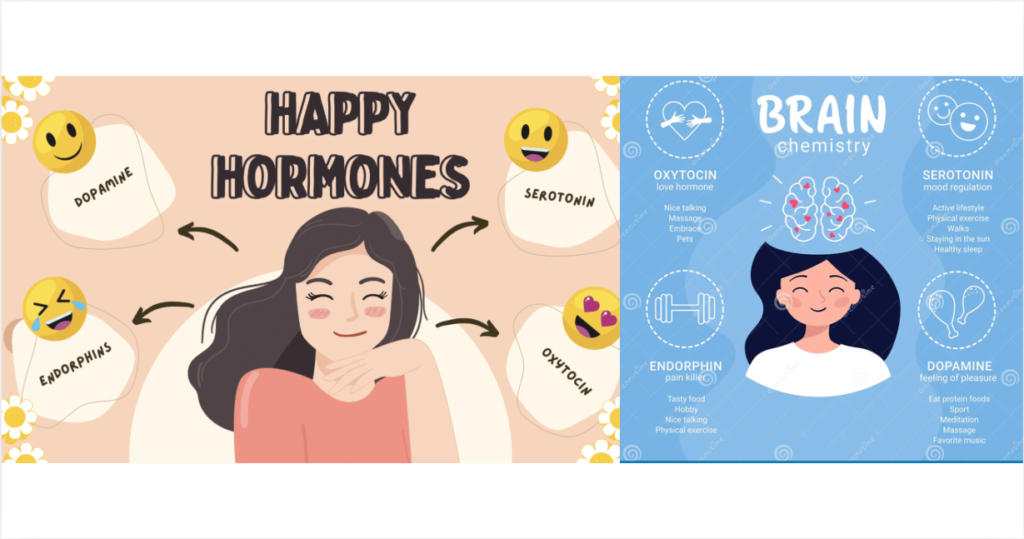
The “hormones of happiness” are chemical messengers that influence your mood and emotional state. The four primary ones include:
- Dopamine – the reward and motivation hormone
- Serotonin – the mood stabilizer
- Oxytocin – the bonding hormone
- Endorphins – the natural pain relievers
Each of these plays a unique role in how you feel and interact with the world.
Why They Matter for Your Health
Balanced happiness hormones contribute to:
- Emotional stability
- Better stress management
- Improved sleep quality
- Enhanced motivation and focus
When these hormones are out of balance, you may experience fatigue, anxiety, or low mood.
The Four Key Happiness Hormones Explained
Let’s break down each hormone and its impact on your daily life.
Dopamine: The Motivation Driver
Dopamine is released when you achieve something or anticipate a reward.
What It Does
- Boosts motivation and productivity
- Reinforces positive habits
- Enhances focus and goal-setting
How to Boost Dopamine
- Set and achieve small goals
- Eat protein-rich foods (tyrosine supports dopamine production)
- Celebrate progress regularly
Serotonin: The Mood Stabilizer
Serotonin helps regulate mood, sleep, and digestion.
What It Does
- Promotes feelings of calm and well-being
- Supports emotional resilience
- Regulates appetite and sleep cycles
How to Boost Serotonin
- Get regular sunlight exposure
- Exercise consistently
- Eat foods rich in tryptophan (like eggs and nuts)
Oxytocin: The Connection Hormone
Often called the “love hormone,” oxytocin is linked to social bonding.
What It Does
- Strengthens relationships
- Builds trust and emotional connection
- Reduces stress and anxiety
How to Boost Oxytocin
- Hug loved ones or spend time with friends
- Practice kindness and gratitude
- Engage in meaningful conversations
Endorphins: The Natural Painkillers
Endorphins are released during physical activity and laughter.
What They Do
- Reduce pain perception
- Create feelings of euphoria
- Improve stress tolerance
How to Boost Endorphins
- Exercise (especially cardio)
- Laugh often
- Try activities like dancing or listening to music
Step-by-Step Guide to Naturally Boost Happiness Hormones
Improving your mood doesn’t require drastic changes—just consistent, intentional habits.
Step 1: Move Your Body Daily
Physical activity stimulates multiple happiness hormones at once.
- Aim for 20–30 minutes of movement
- Choose activities you enjoy to stay consistent
Step 2: Prioritize Nutrition
Your diet directly affects hormone production.
- Include protein, healthy fats, and complex carbs
- Stay hydrated to support brain function
Step 3: Build Meaningful Connections
Social interaction is essential for emotional health.
- Spend time with supportive people
- Practice active listening and empathy
Step 4: Create Positive Habits
Small daily wins reinforce dopamine and motivation.
- Set realistic goals
- Track progress and celebrate achievements
Advanced Strategies for Long-Term Emotional Balance
Once you’ve established the basics, you can take your well-being to the next level.
Practice Mindfulness and Meditation
These techniques help regulate stress hormones and improve serotonin levels.
Optimize Sleep Quality
- Aim for 7–9 hours of sleep
- Maintain a consistent sleep schedule
Sleep is critical for hormone balance and mental clarity.
Limit Stress Triggers
Chronic stress disrupts hormone production. Reduce exposure to:
- Negative environments
- Overwork and burnout
- Excessive screen time
Troubleshooting Common Challenges
Even with the best intentions, you may face obstacles.
Challenge: Lack of Motivation
- Start small—focus on one habit at a time
- Use routines to reduce decision fatigue
Challenge: Emotional Ups and Downs
- Remember that fluctuations are normal
- Focus on consistency rather than perfection
Challenge: Busy Lifestyle
- Integrate habits into your routine (e.g., walking while listening to music)
- Prioritize what truly matters for your well-being
Maximizing Results: Building a Happiness Lifestyle
To sustain long-term happiness, you need a holistic approach.
Combine Physical and Emotional Practices
- Exercise + social interaction = stronger hormone response
- Nutrition + sleep = improved mood stability
Stay Consistent
Small daily actions compound over time. Consistency is more important than intensity.
Keep Learning and Adapting
Your needs may change over time. Stay flexible and adjust your habits accordingly.
Featured Snippet: What Are the Hormones of Happiness?
The hormones of happiness include dopamine, serotonin, oxytocin, and endorphins. These chemicals regulate mood, motivation, bonding, and stress, helping you feel balanced and positive.
Internal Linking Opportunities
To expand your knowledge, explore related topics such as:
- Stress management techniques for better mental health
- Nutrition strategies that support brain function
- Sleep optimization for hormone balance
- Physical activity and its impact on mood
- Gut health and its connection to serotonin production
Conclusion
The hormones of happiness are powerful tools that shape how you feel every day. By understanding how dopamine, serotonin, oxytocin, and endorphins work, you can take intentional steps to improve your mood and overall well-being.
The best part? You don’t need drastic changes—just small, consistent actions like moving your body, eating well, connecting with others, and managing stress. Over time, these habits can transform your emotional health and help you build a happier, more balanced life.
Start today, stay consistent, and unlock the chemistry of your own well-being.
Important Disclaimer: This article is for informational purposes only and should not replace professional advice. For health-related topics, consult healthcare providers. Individual results may vary.